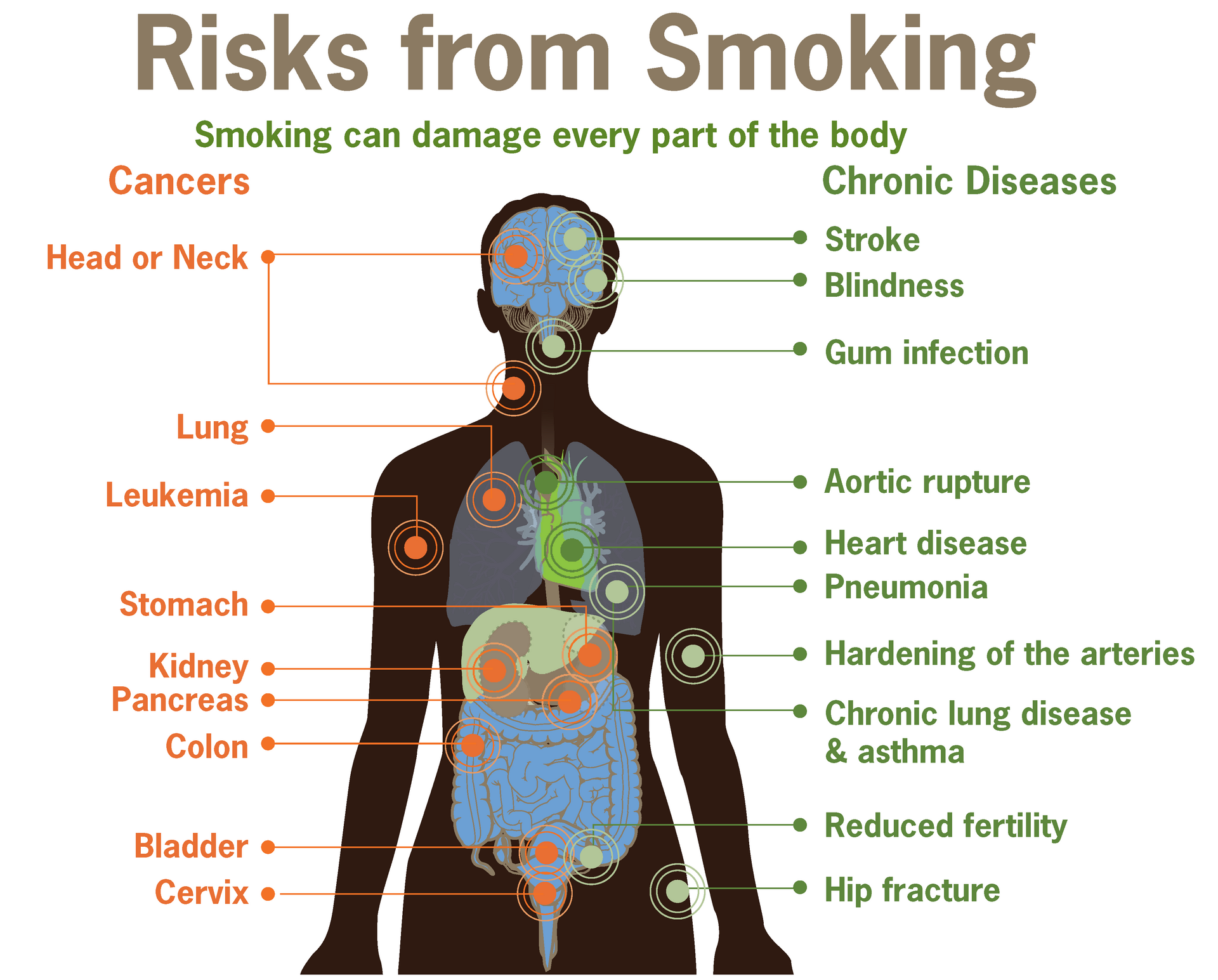
That tobacco smoking causes cancer is one of the most thoroughly established findings in all of medicine. Smoking is the leading preventable cause of cancer and of death worldwide, responsible for the great majority of lung cancer cases and contributing to cancers of the mouth, throat, bladder, pancreas, and more.
A connection between smoking and lung cancer was suspected in the early twentieth century, as lung cancer, once a rare disease, rose sharply alongside the spread of mass produced cigarettes. The timing was striking, but correlation alone could not prove cause, and the tobacco industry would spend decades disputing the link.

The case was nailed down by large, careful studies beginning in the 1950s. A landmark investigation that followed tens of thousands of British doctors for decades found that smokers died of lung cancer at many times the rate of non smokers, and that those who quit cut their risk. Study after study, in different countries and populations, reached the same conclusion.
The case does not rest on population studies alone. Laboratory work identified dozens of cancer causing chemicals in tobacco smoke and showed in detail how they damage the DNA inside cells, the kind of damage that can set a cell on the path to becoming a tumor.
There is a clear dose response relationship, meaning that the more a person smokes and the longer they do so, the higher their risk climbs, while quitting lowers it over time. This orderly relationship between exposure and harm is one of the strongest fingerprints of a true cause.
These independent lines of evidence, statistical, chemical, and biological, all point the same way. That is why the scientific and medical consensus is total and has been for decades, and why smoking is classified without reservation as a cause of cancer rather than merely a risk associated with it.
Although lung cancer is the most notorious result, smoking damages nearly every organ in the body. It causes heart disease, stroke, and chronic lung conditions, and it raises the risk of more than a dozen different cancers, making it one of the most destructive habits in human history.
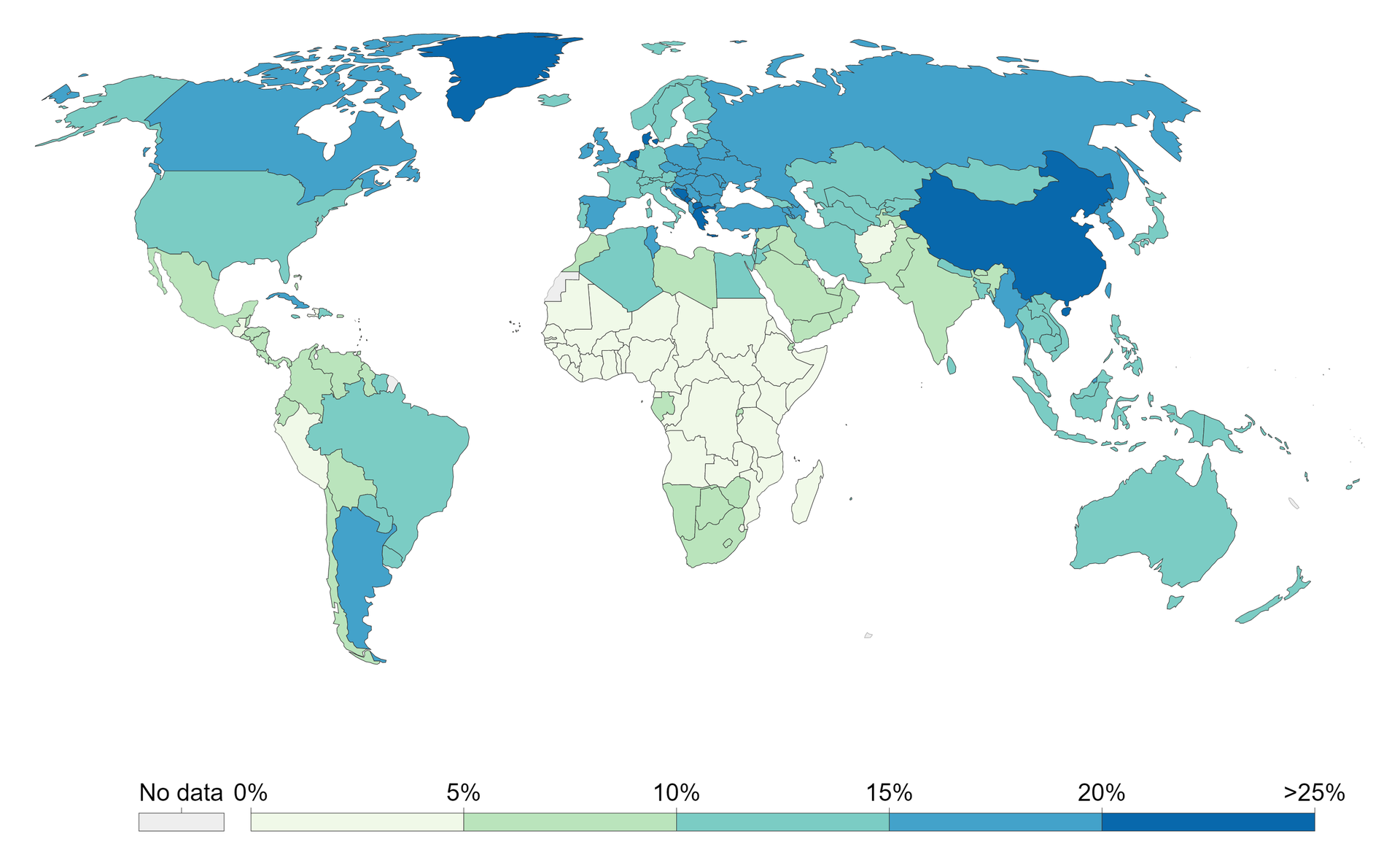
Despite generations of public health campaigns, tobacco still kills millions of people every year. The hard won proof that smoking causes cancer transformed both medicine and policy, driving warning labels, advertising restrictions, smoke free laws, and a sustained global effort to reduce one of the most lethal habits ever known.
