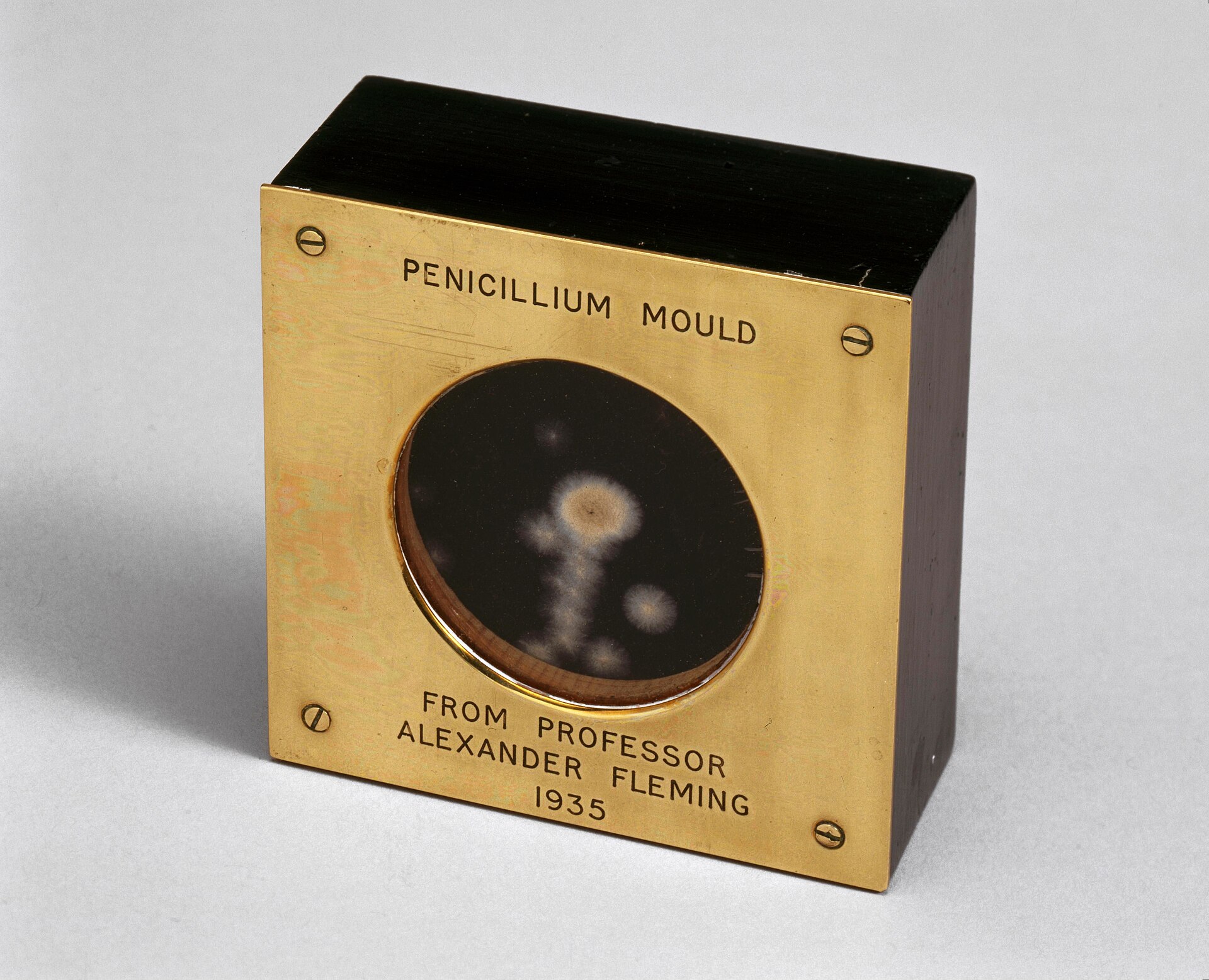
Penicillin was the first true antibiotic, a medicine that kills bacteria and cures infections that had once been routinely fatal. Its discovery and development stand among the greatest achievements in the history of medicine, and they opened an age in which a simple injection could defeat diseases that had killed for millennia.
In 1928, the Scottish scientist Alexander Fleming returned from holiday to find that a mould called Penicillium had drifted into one of his bacterial cultures and was killing the bacteria in a ring around itself. He had stumbled upon a natural substance that destroyed germs, a moment of luck that he had the insight to recognize.
Fleming understood the importance of what he saw, but he was unable to purify the fragile compound in useful amounts, and he was not a chemist. His discovery was published and then sat largely unused for more than a decade, a reminder of how a great finding can wait years for the means to exploit it.
The breakthrough came at Oxford, where a team led by Howard Florey and Ernst Chain found ways to purify penicillin and then proved, in clinical trials on desperately ill patients, that it could cure deadly infections.
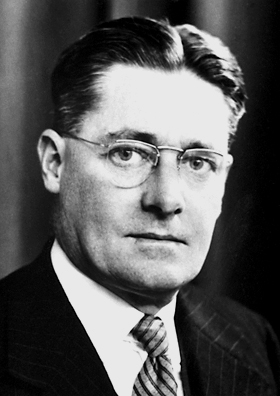
Mass production was scaled up rapidly, in time to treat wounded soldiers during the Second World War, and the results were dramatic. Infections that had been a death sentence became routinely curable.
Penicillin attacks a structure that bacteria need but human cells lack: the rigid wall that surrounds the bacterial cell. By blocking the wall's construction, the drug causes growing bacteria to burst, while leaving the body's own cells unharmed. This precise targeting is what makes it both powerful and safe.
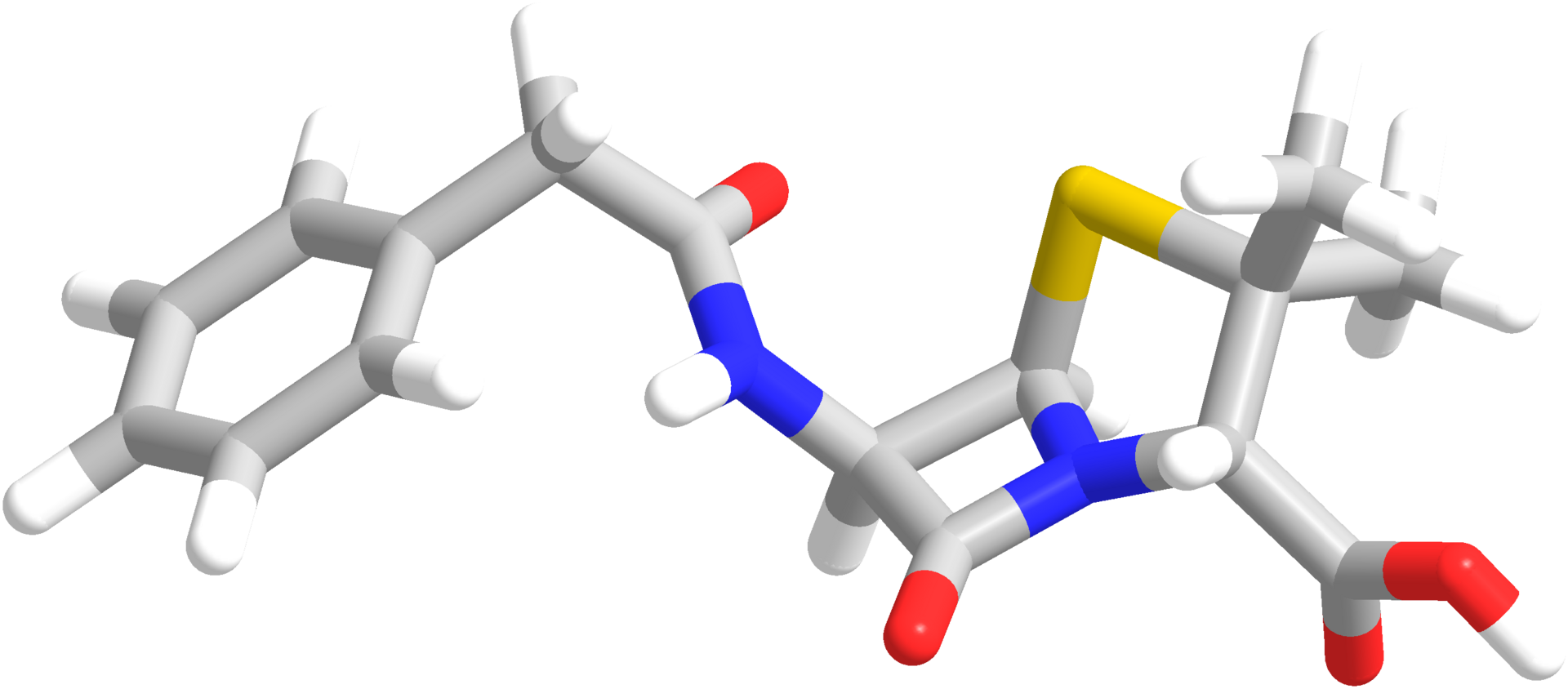
Before antibiotics, a small cut, a chest infection, or a difficult childbirth could easily turn fatal. Penicillin and the many drugs that followed turned a host of once lethal diseases into manageable conditions and reshaped the practice of medicine and surgery. Fleming, Florey, and Chain shared the Nobel Prize for the work.
Penicillin remains in wide use today, but its very success has bred a new danger. Bacteria evolve, and the overuse of antibiotics has allowed resistant strains to emerge that the original drugs can no longer kill. Using these medicines carefully is now more important than ever, so that one of medicine's greatest gifts is not slowly lost.
The discovery of penicillin launched the antibiotic era and remains a defining example of how careful observation, chemistry, and persistence can together transform the human condition.
