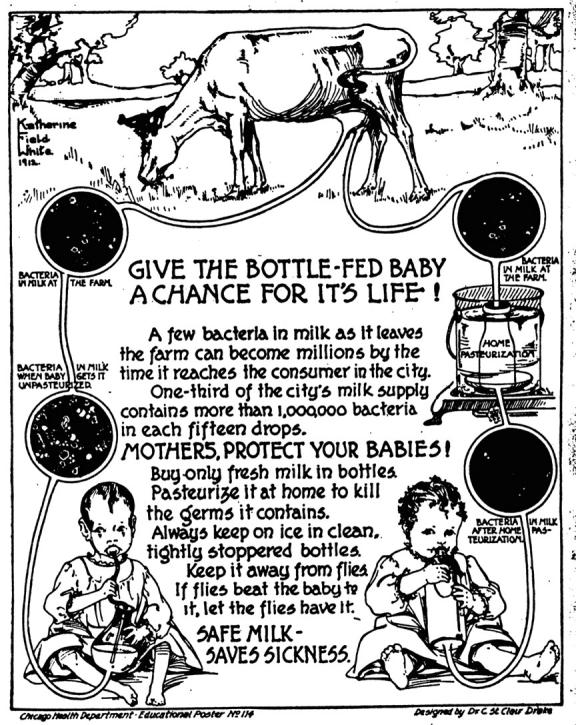
Pasteurization is the process of heating a food or drink to a specific temperature for a set length of time in order to kill harmful microorganisms without ruining the product. Developed in the nineteenth century, it is a proven public health measure that has saved countless lives and made everyday foods safe.
The technique is named after Louis Pasteur, who in the 1860s showed that gentle, controlled heating could kill the microbes responsible for spoiling wine and beer. His work was among the first practical triumphs of germ theory, the realization that tiny living organisms, not bad air or spontaneous decay, were behind spoilage and disease.

The same principle was soon applied to milk, a food that can carry dangerous bacteria responsible for diseases such as tuberculosis, typhoid fever, and severe diarrheal illness, especially in young children. In the era before pasteurization, contaminated milk was a major killer of infants in growing cities.
Pasteurization does not sterilize food completely, which would change its taste and texture. Instead, carefully chosen combinations of temperature and time destroy the disease causing organisms and most of those that cause spoilage, while leaving the food safe, nutritious, and largely unchanged.
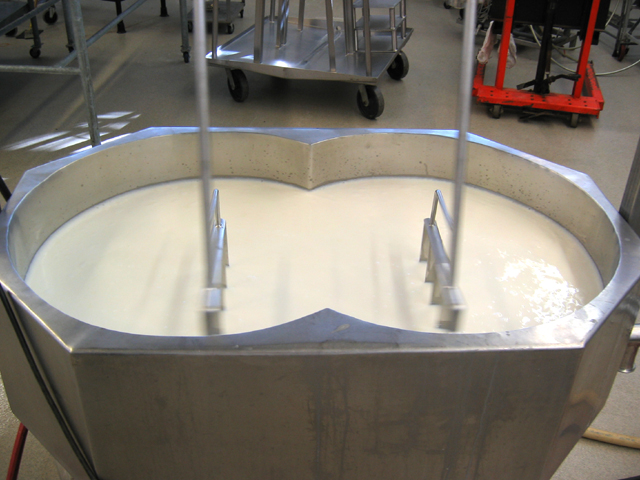
The evidence for pasteurization is overwhelming. Wherever the pasteurization of milk became standard, illnesses and deaths from milk borne disease fell sharply and quickly. It is one of the clearest examples of a simple intervention with a large, measurable benefit, repeated across many countries and decades.
Pasteurization is now applied to milk, juice, eggs, canned goods, and many other products, and it is required by law in many places for good reason. It is one of those rare advances that protects millions of people every single day while going almost entirely unnoticed.
Some advocates today promote unpasteurized, or raw, milk, claiming benefits in taste or nutrition. Health authorities warn strongly against it, because the established risks of dangerous infection far outweigh any unproven advantages, a modern echo of a battle that public health had largely won a century ago.
