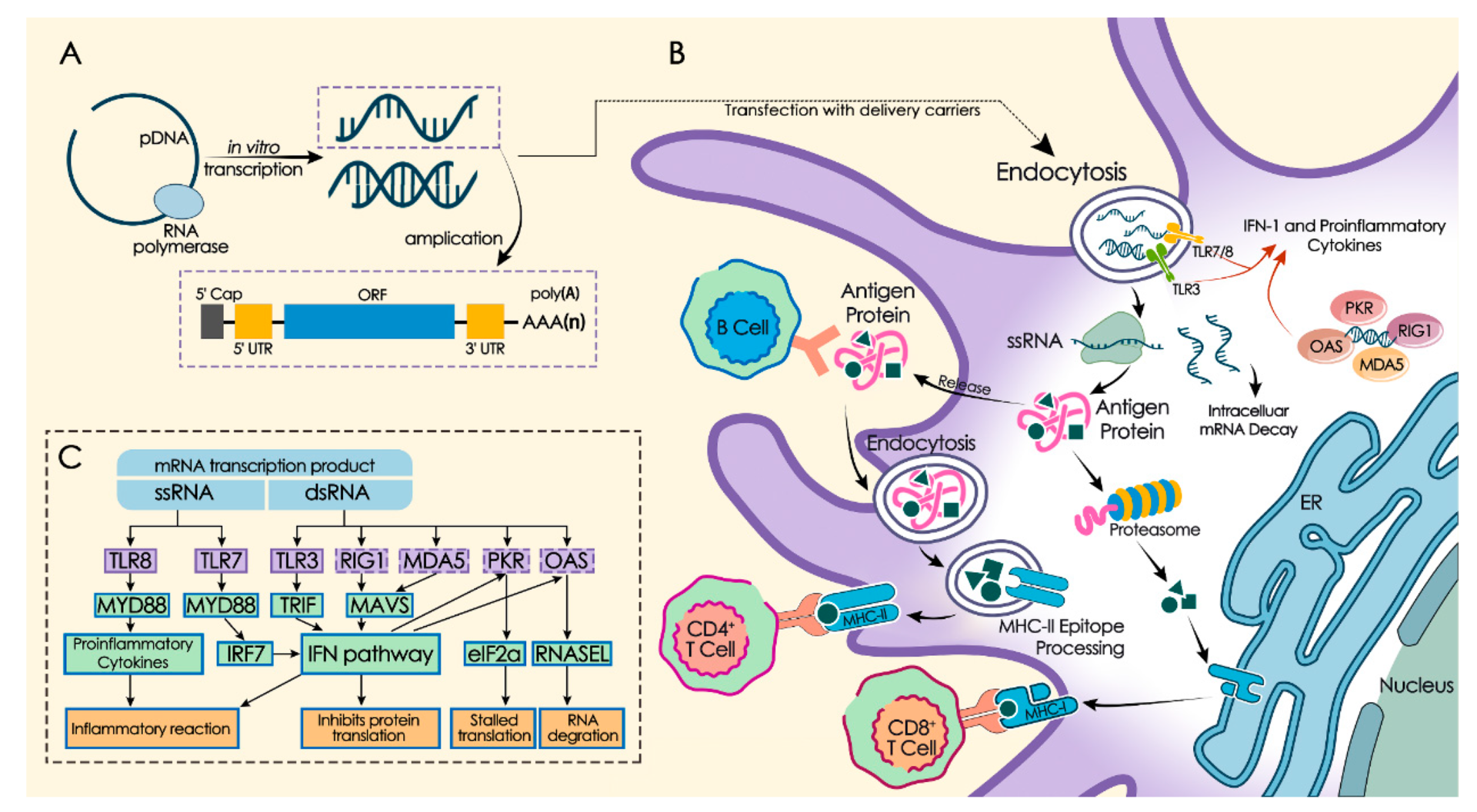
mRNA vaccines are a new type of vaccine that teaches the body to fight a disease by delivering genetic instructions rather than a weakened or inactivated germ. Decades in the making, they proved their worth dramatically during the COVID-19 pandemic.
A vaccine works by training the immune system to recognize and fight a disease before a person ever encounters the real germ. Traditional vaccines do this by introducing a weakened or killed version of the germ, or a piece of it, so the body learns to recognize the threat in advance.
An mRNA vaccine works differently. Instead of delivering a piece of the virus itself, it delivers a short strand of genetic code, the messenger RNA, that instructs the body's own cells to make a harmless piece of the virus. The immune system then learns to recognize that piece and respond.
The clever idea at the heart of mRNA vaccines is that the body itself becomes the factory. The cells read the genetic instructions, briefly produce the harmless viral fragment, and display it to the immune system, which learns to attack it. The instructions are then broken down, leaving the body trained and ready.
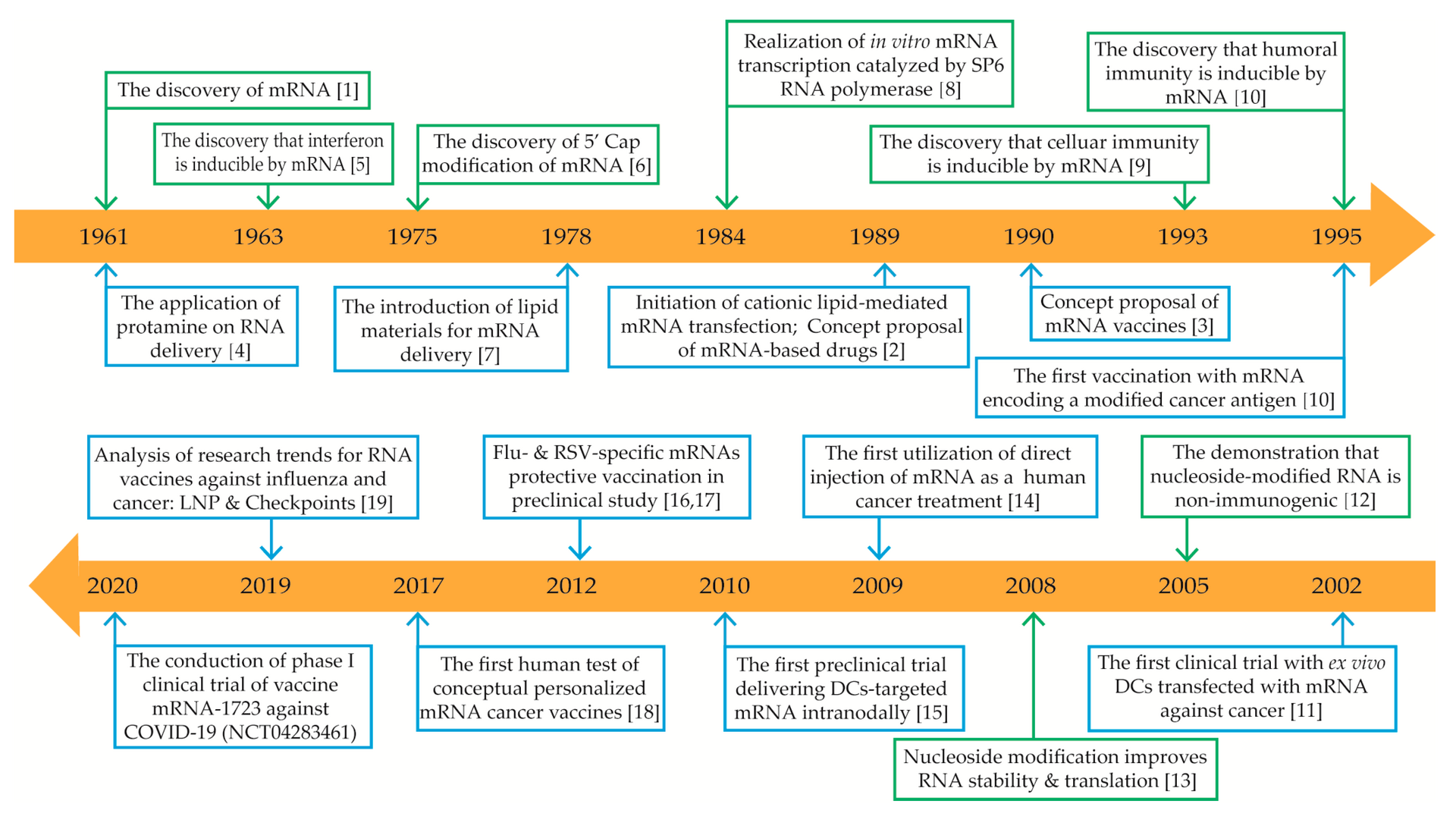
Though they seemed to appear suddenly, mRNA vaccines rested on decades of patient research into how to make genetic instructions stable and safe to deliver into the body. Scientists including Katalin Karikó and Drew Weissman spent years solving the hard problems, work that would later earn them a Nobel Prize.
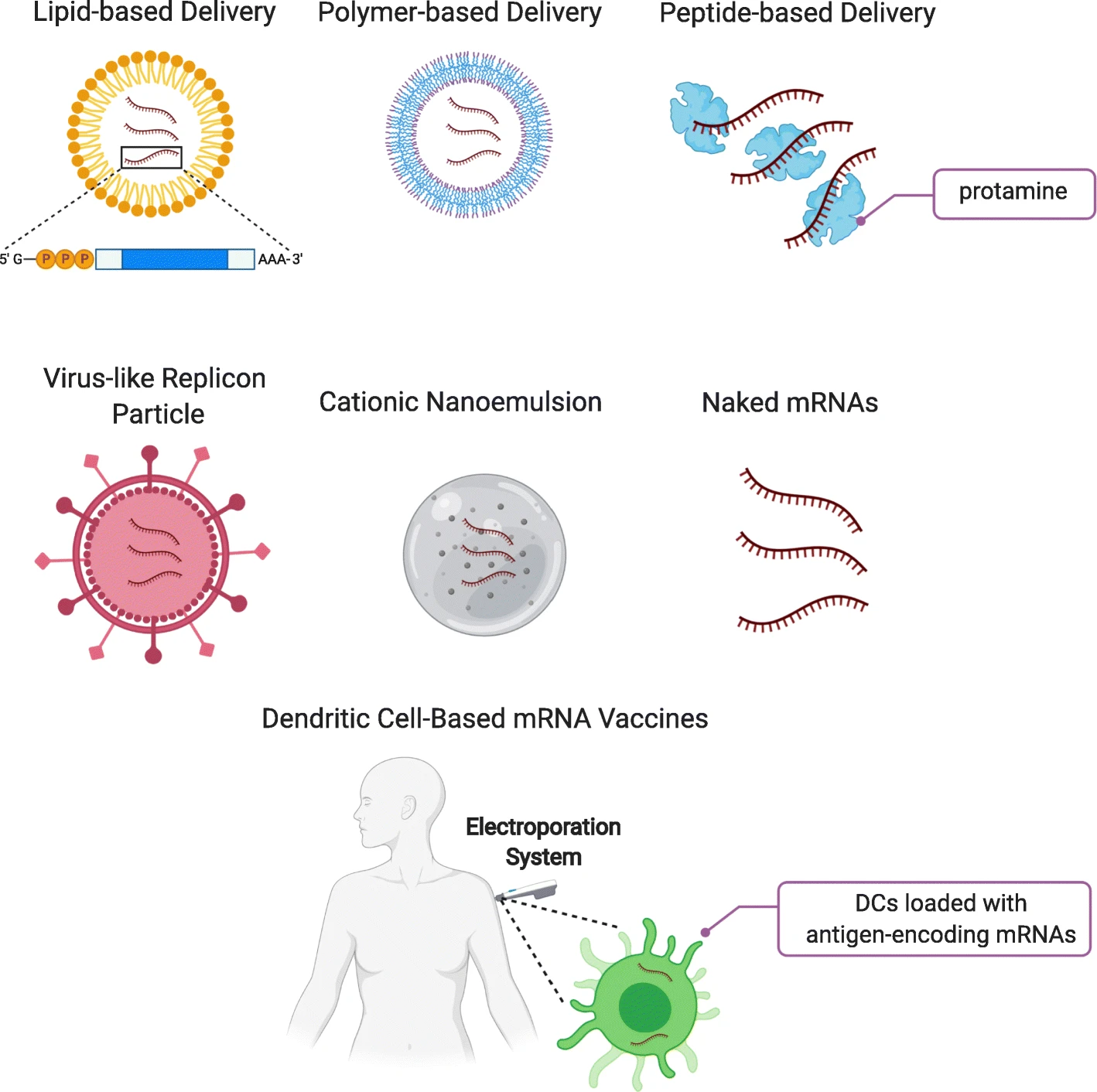
When COVID-19 struck, the mRNA approach allowed vaccines to be designed and tested with unprecedented speed, since only the genetic code needed to be slotted in. Large clinical trials showed they were highly effective at preventing serious illness and death, a striking confirmation of the technology in a real crisis.
Following the trials, mRNA vaccines were given to billions of people around the world during the pandemic, providing further overwhelming evidence of their effectiveness and safety on an enormous scale. Their performance, monitored closely across whole populations, firmly established them as a proven tool of medicine.
Because an mRNA vaccine can be reprogrammed simply by changing its genetic code, the same platform can be adapted quickly to new threats, far faster than older vaccine methods. This flexibility makes the technology a powerful weapon against future diseases and rapidly mutating viruses.
Encouraged by their success, scientists are now pursuing mRNA vaccines and therapies against other infectious diseases, and even against cancer, by training the immune system to attack tumours. A technology that proved itself in a global emergency may go on to reshape the future of medicine.
