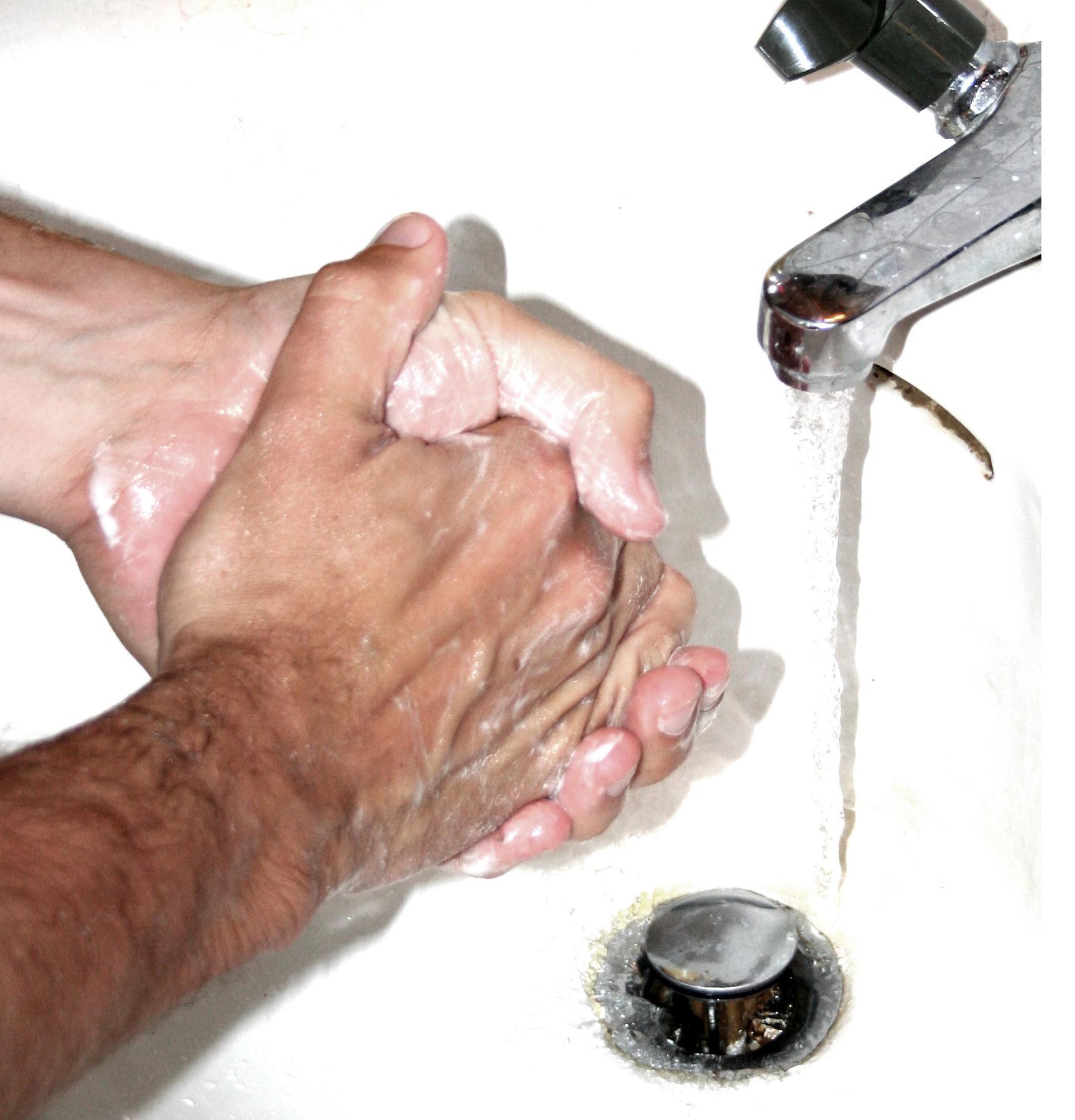
Washing the hands with soap and water is one of the simplest and most powerful tools in all of medicine for preventing the spread of disease. It is a proven, low cost measure that saves an enormous number of lives every year, in hospitals and homes alike.
In the 1840s, the Hungarian physician Ignaz Semmelweis noticed that women in a Vienna maternity ward died far more often of childbed fever when delivered by doctors who came straight from dissecting corpses than when delivered by midwives. When he insisted that doctors wash their hands in a chlorine solution, the death rate plummeted.
Semmelweis's idea was ridiculed and rejected by colleagues, who were offended by the suggestion that they themselves were carrying disease. He died before germ theory finally explained why he had been right. Only later, when Pasteur and others proved that microbes cause infection, was his insight fully understood and honored.
Hands constantly pick up bacteria and viruses from surfaces, food, and other people, and then carry them to the mouth, eyes, and nose, or pass them on to others. The hands are, in effect, the main highway by which many infections travel from person to person.
Soap does not merely smell clean. Its molecules have one end that clings to water and another that clings to grease, allowing them to pry apart the fatty coats of many germs and lift dirt and microbes off the skin so they can be rinsed away down the drain. The simple act of scrubbing for twenty seconds removes the great majority of harmful organisms.
Modern research confirms what Semmelweis observed. Regular handwashing sharply reduces respiratory infections and diarrheal disease, which together remain leading killers of young children in the poorest parts of the world. Every major health body endorses it as one of the most cost effective health measures ever identified.
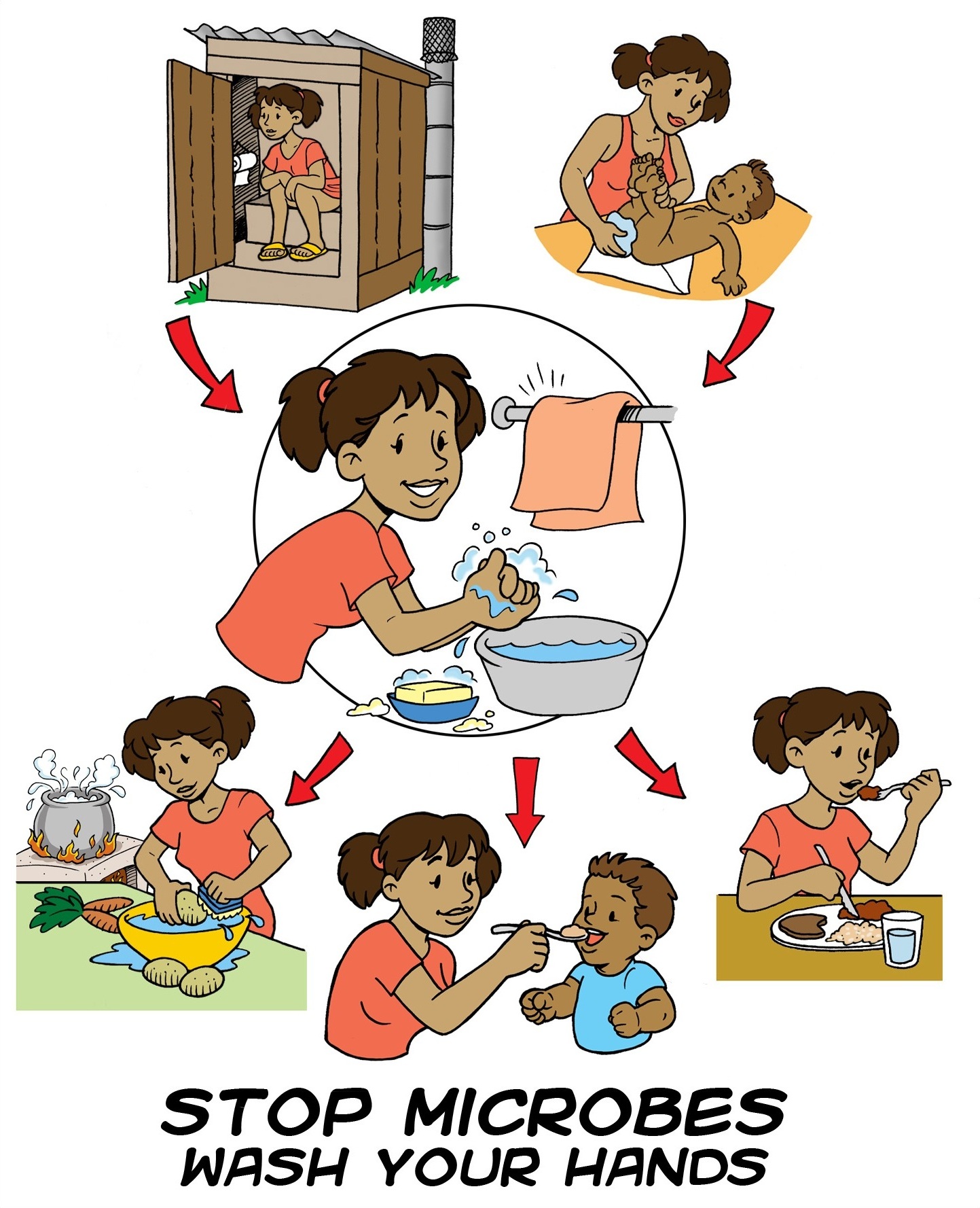
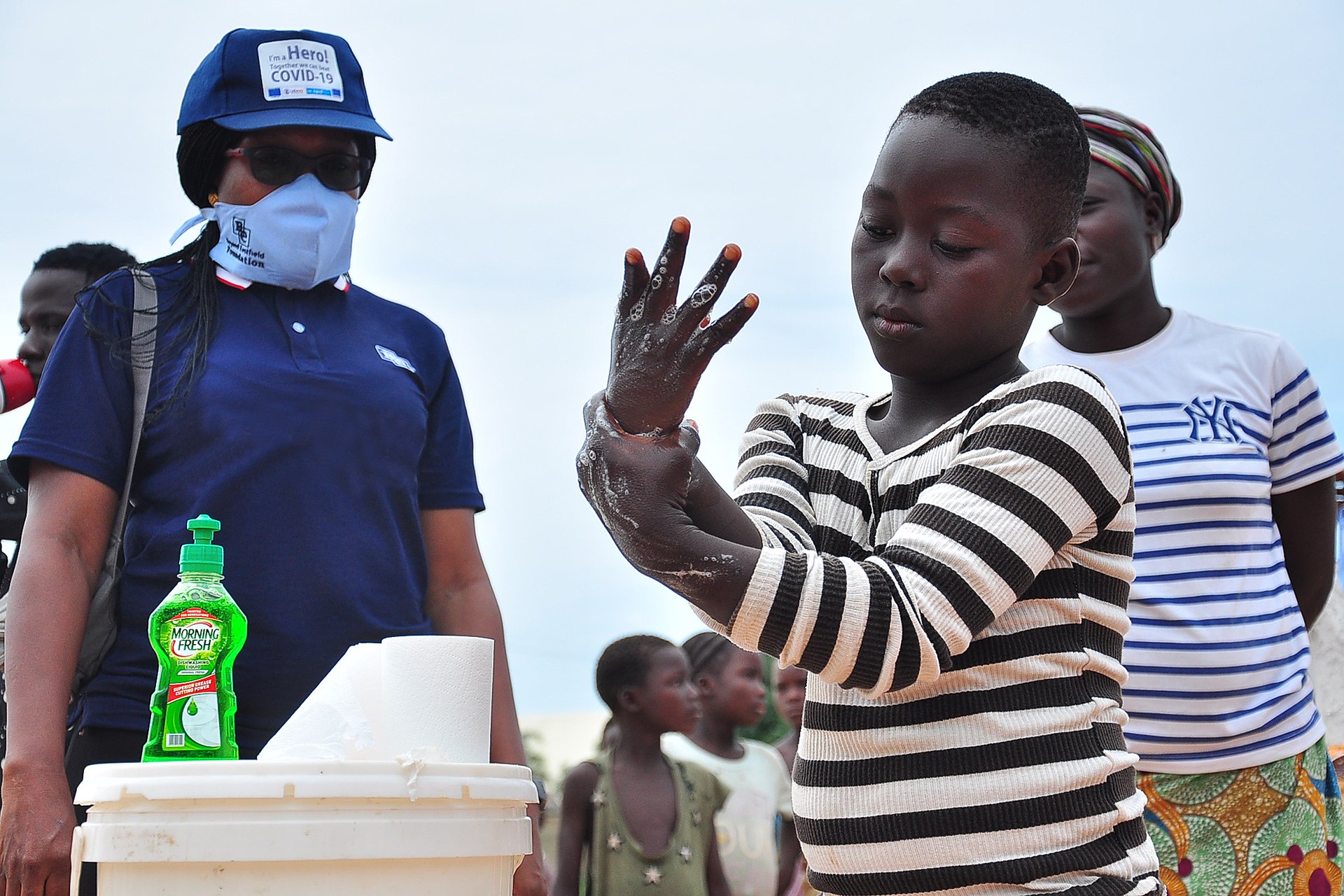
Because its benefits are invisible, handwashing depends on building a steady habit, especially in children, at key moments such as before eating and after using the toilet. Public campaigns to make it routine have proven to be among the highest value investments in all of public health.
The story of handwashing is a reminder that the most powerful medicine is sometimes also the simplest, and that an idea can be entirely correct long before the world is ready to accept it.
