The circulation of blood is the continuous movement of blood around the body, pumped by the heart through a network of vessels. This understanding, established in the seventeenth century, overturned ancient errors and became a foundation of modern medicine.
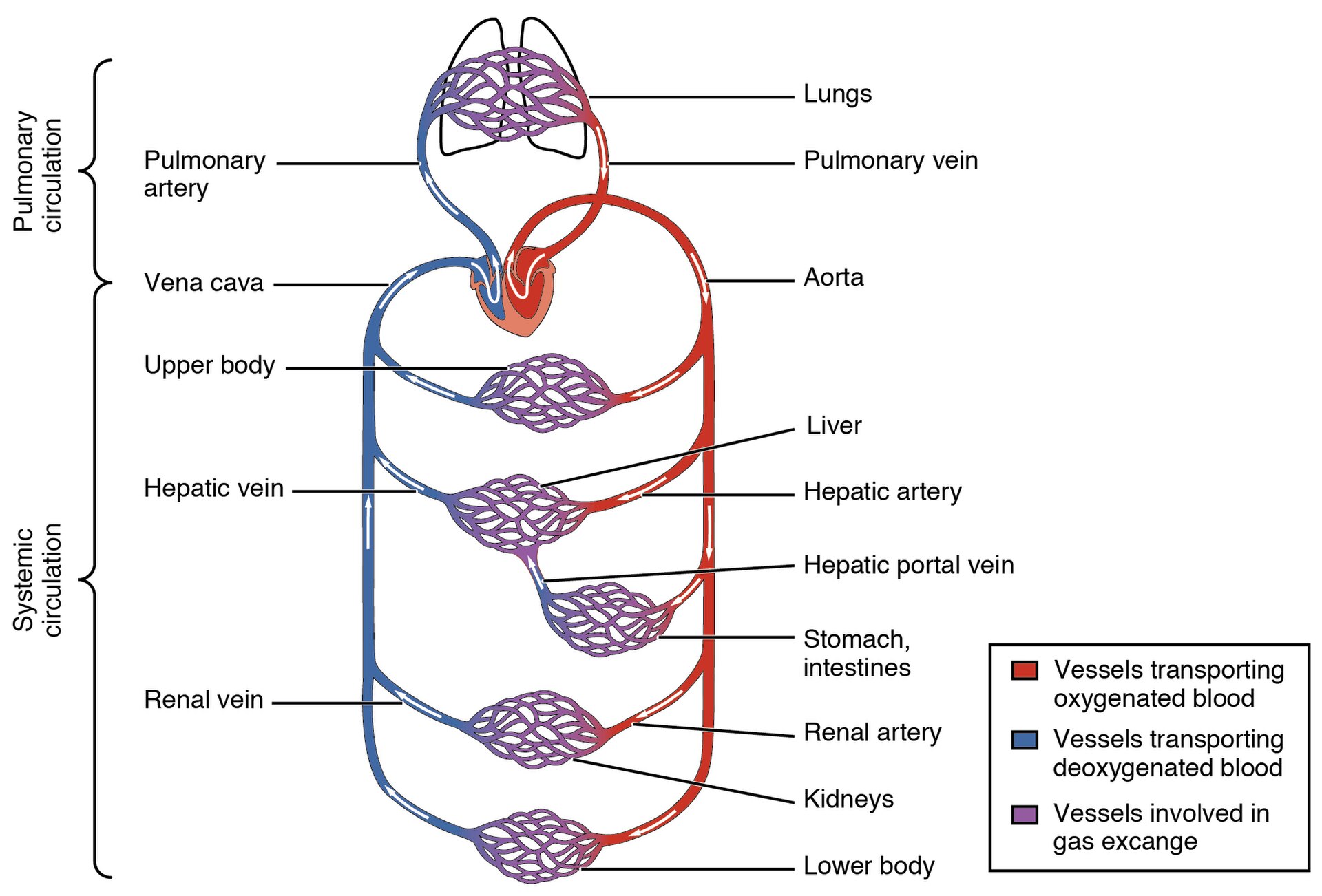
Blood travels in a closed circuit driven by the heart. It is pumped out through arteries to every part of the body, passes through tiny vessels where it does its work, and returns through veins to begin again. The same blood circulates round and round, again and again, throughout life.
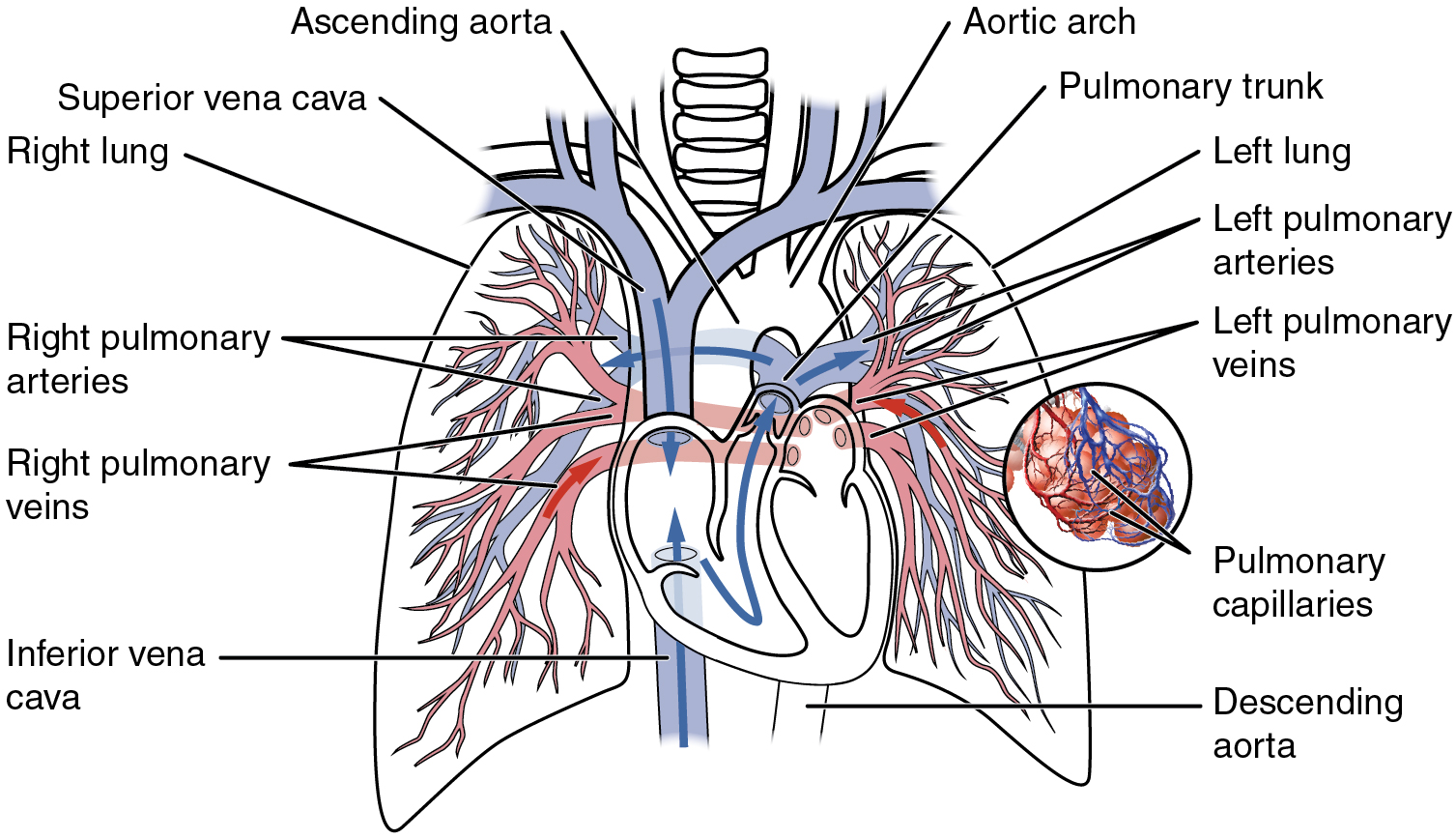
At the centre of it all is the heart, a muscular pump that beats around a hundred thousand times a day without rest. With each beat it squeezes blood out under pressure, and valves inside it ensure the blood flows only one way, preventing it from sloshing backward.
There are really two linked circuits. The pulmonary circulation sends blood to the lungs to pick up oxygen and release carbon dioxide. The systemic circulation then carries that oxygen rich blood to the rest of the body. The heart, with its four chambers, drives both at once.
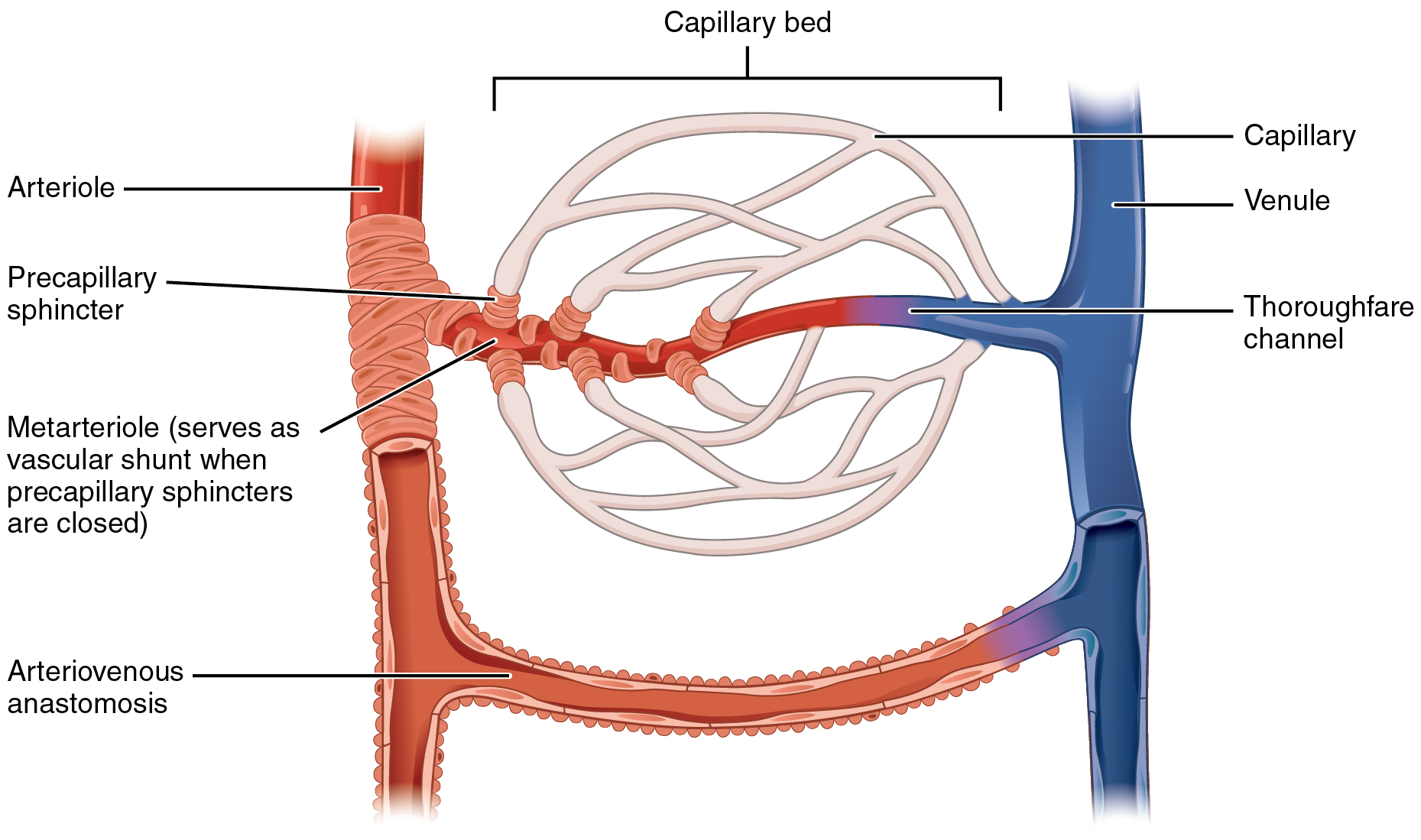
Blood flows out through arteries, which branch into ever smaller vessels until they become capillaries, so fine that blood cells pass in single file. It is in these capillaries, with their thin walls, that oxygen and nutrients pass into the tissues and waste is collected, before the blood returns through the veins.
The circulation is the body's transport system. It delivers oxygen and nutrients to every cell, carries away waste, distributes heat, and sends hormones and immune cells where they are needed. Through it, the trillions of cells of the body are fed, cleaned, and connected.
For over a thousand years, medicine followed the ancient physician Galen, who wrongly believed blood was continually made in the liver and consumed by the body, ebbing and flowing rather than circulating. This error was taught as unquestioned truth, and to challenge it took courage as well as evidence.
In 1628 the English physician William Harvey proved the truth. By calculating how much blood the heart pumps in an hour, far more than the body could possibly make, he showed the same blood must circulate. Through careful experiment and dissection, he demonstrated the true, closed path of the circulation.
Harvey's deduction was confirmed when later microscopes revealed the capillaries linking arteries to veins, completing the picture he had reasoned out. Understanding circulation transformed medicine, making sense of the pulse, blood pressure, and the heartbeat, and opening the way to surgery, transfusion, and the treatment of heart disease.
