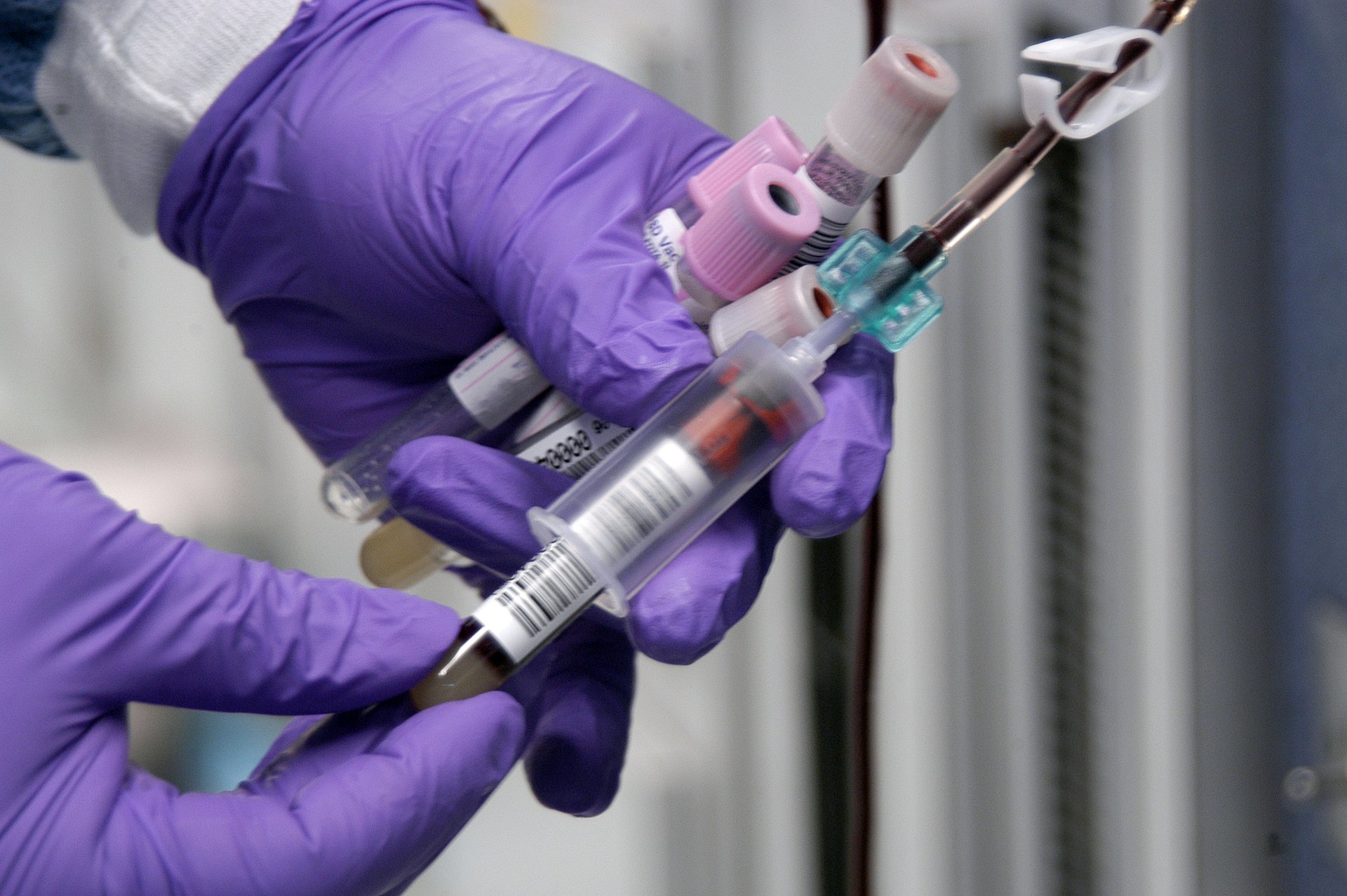
Human blood comes in different types, determined by molecules on the surface of red blood cells. The discovery of blood types made safe blood transfusion possible and is one of the best established and most life saving findings in medicine.
The surface of red blood cells carries marker molecules that vary from person to person. These markers define the familiar blood groups, A, B, AB, and O, depending on which markers are present. A person's blood type is inherited from their parents and stays the same throughout life.
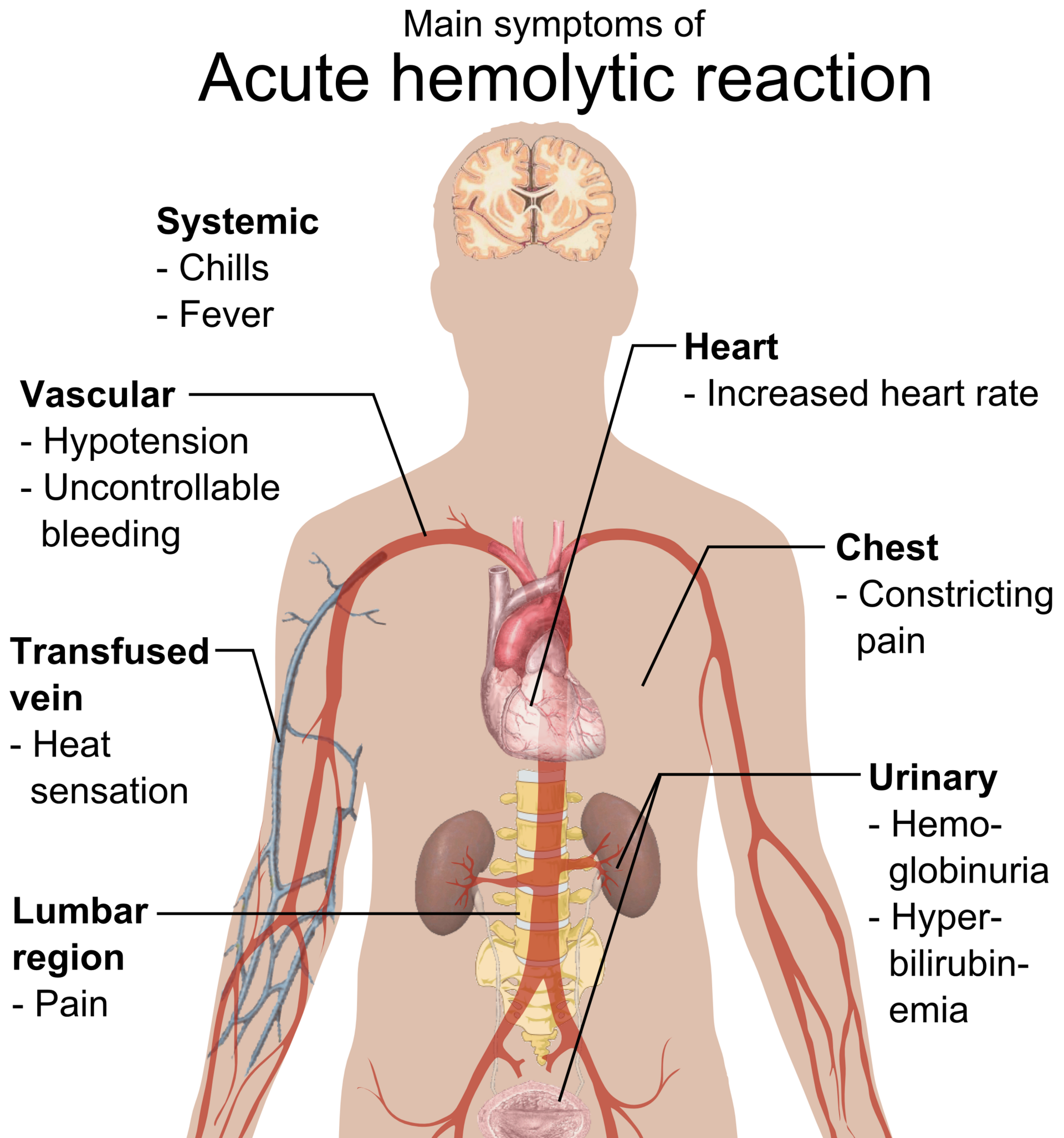
The body's immune system attacks anything it recognizes as foreign, including blood bearing unfamiliar markers. This is why mixing incompatible blood is dangerous: the recipient's immune system assaults the donated cells, causing them to clump and break apart, with potentially fatal results.
In addition to the ABO groups, blood is classified as positive or negative according to another marker, the Rhesus or Rh factor. Combined with the ABO type, this gives the familiar eight blood types, such as A positive or O negative, each with its own pattern of compatibility.
Before blood types were understood, transfusions often failed disastrously, sometimes killing the patient, for no apparent reason. In 1901 the Austrian physician Karl Landsteiner discovered the blood groups, explaining at last why some transfusions worked and others ended in tragedy.
Landsteiner's discovery, for which he won a Nobel Prize, has been confirmed countless times and is now routine medical knowledge. The rules of which blood types can safely be mixed are precisely known and reliably applied, turning a once deadly gamble into a safe and ordinary procedure.
Before any transfusion today, blood is carefully typed and cross checked to ensure the donor and recipient are compatible. This simple, proven precaution prevents the dangerous reactions that once made transfusion so risky, and it is performed millions of times a year around the world.
Some blood types are especially valuable. Type O negative blood lacks the markers that provoke reactions, so it can be given to almost anyone in an emergency, making such donors precious. Type AB recipients, by contrast, can safely receive blood of many types, the so called universal recipients.
Blood typing matters greatly in pregnancy, where a mismatch in the Rhesus factor between a mother and her baby can cause serious problems. Once deadly, this danger is now routinely prevented thanks to the understanding of blood types, one more way this proven science quietly saves lives every day.
