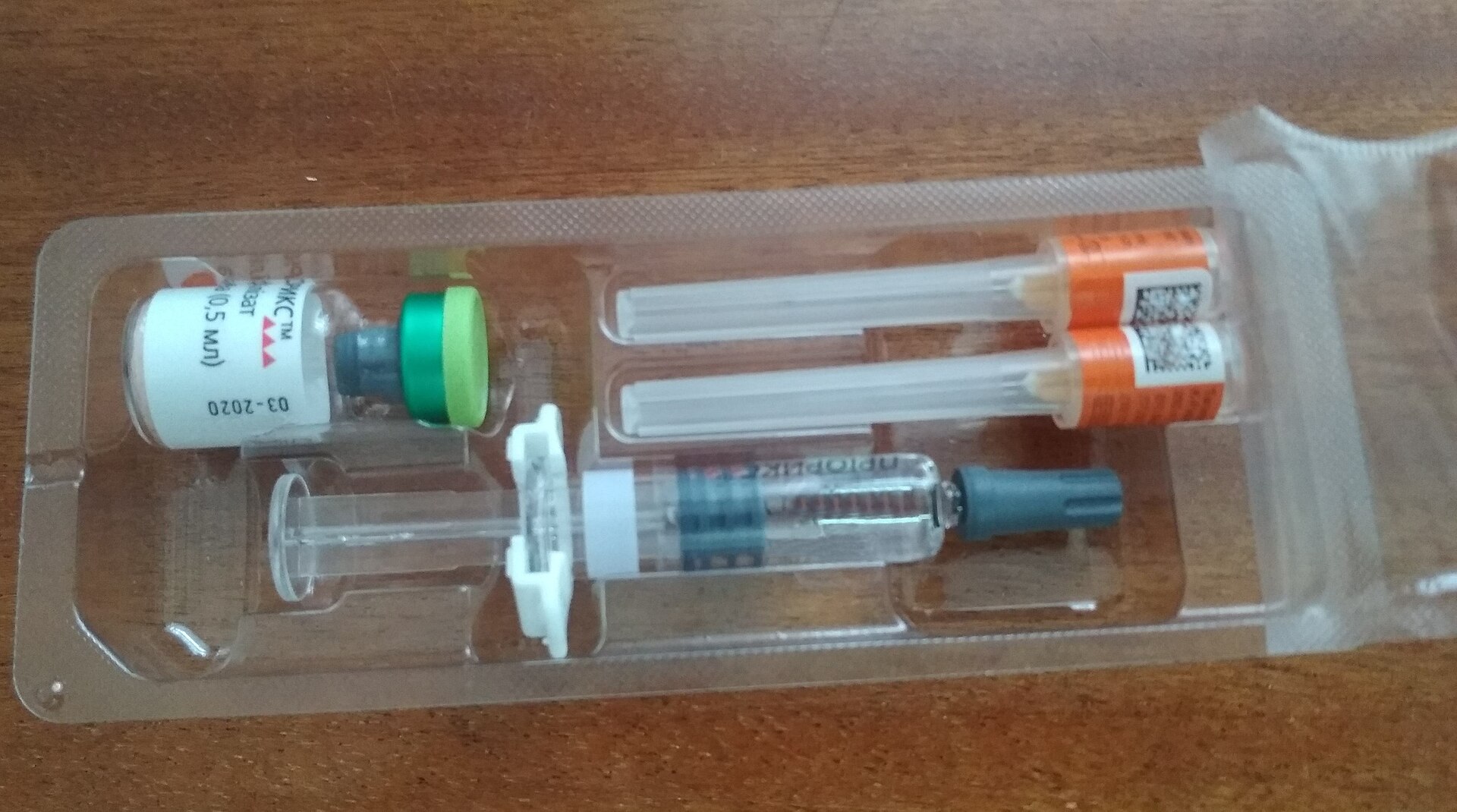
The claim that vaccines cause autism is one of the most damaging medical myths of modern times. It has been investigated exhaustively and thoroughly debunked: there is no link between vaccines and autism.
The fear that vaccines might cause autism took hold among many parents in the late 1990s and 2000s, fuelled by alarming claims and amplified by the media and, later, the Internet. The worry was understandable, for autism is often first noticed at around the age when children receive certain vaccines, an unlucky coincidence in timing.
The fear arose chiefly from a 1998 study by the British doctor Andrew Wakefield, which suggested a link between the MMR vaccine, given against measles, mumps, and rubella, and autism in children. The study received wide publicity and frightened many parents, sparking a panic that would have lasting consequences.
Wakefield's study, it later emerged, was deeply flawed and dishonest. It was found to be based on manipulated data, a tiny number of children, and undisclosed financial conflicts of interest. The journal that had published it formally retracted it, and Wakefield lost his licence to practise medicine in disgrace.
Crucially, since the original scare, many large, careful studies involving millions of children in different countries have looked for a link between vaccines and autism and found none whatsoever. The scientific evidence against any connection is overwhelming and consistent, among the most thoroughly investigated questions in all of medicine.
Part of why the myth was so persuasive is that the signs of autism often become apparent at around the same age that children receive certain vaccines. But two things happening at the same time does not mean one causes the other, and careful study confirms there is no causal link, only coincidence in timing.
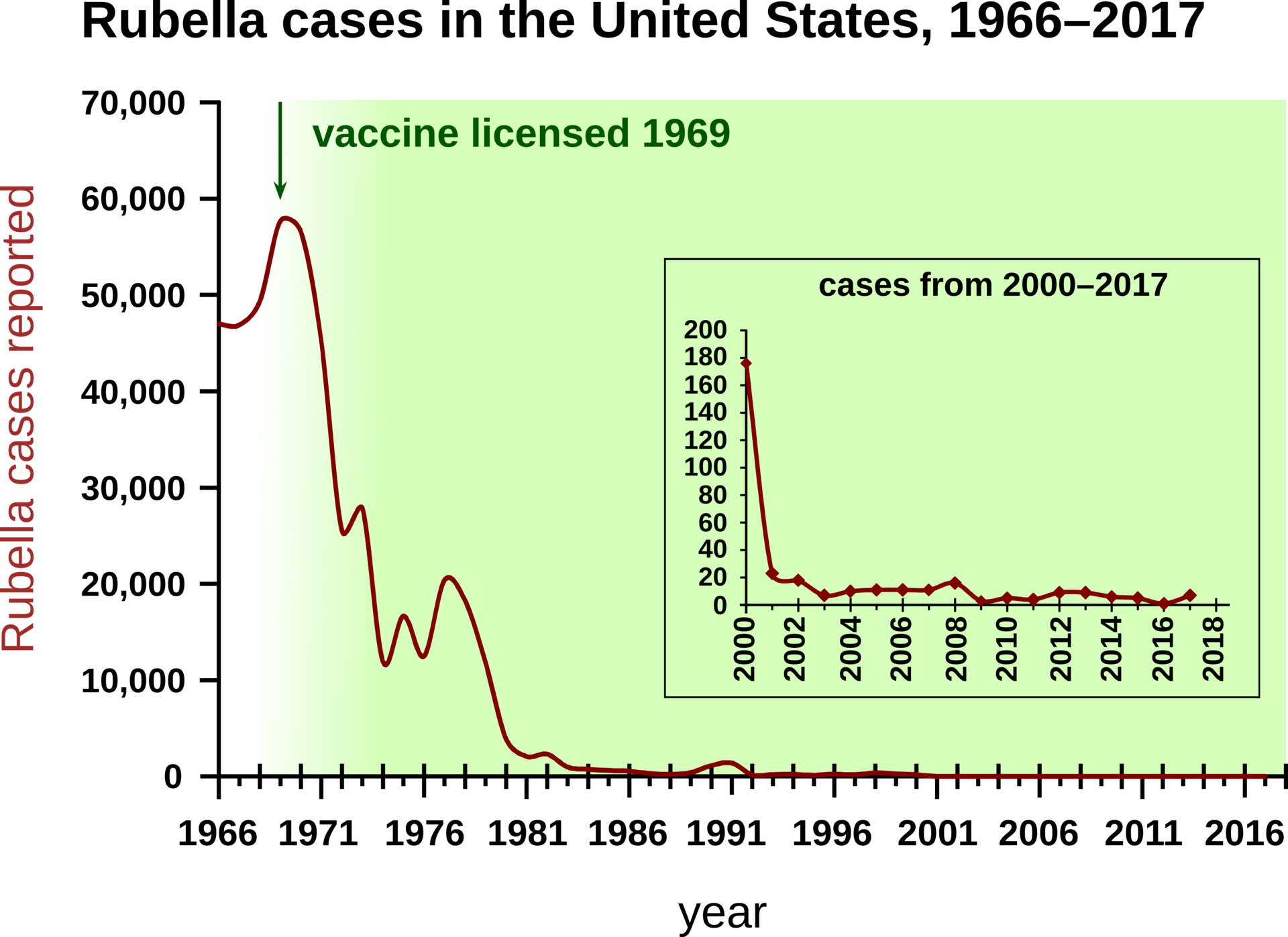
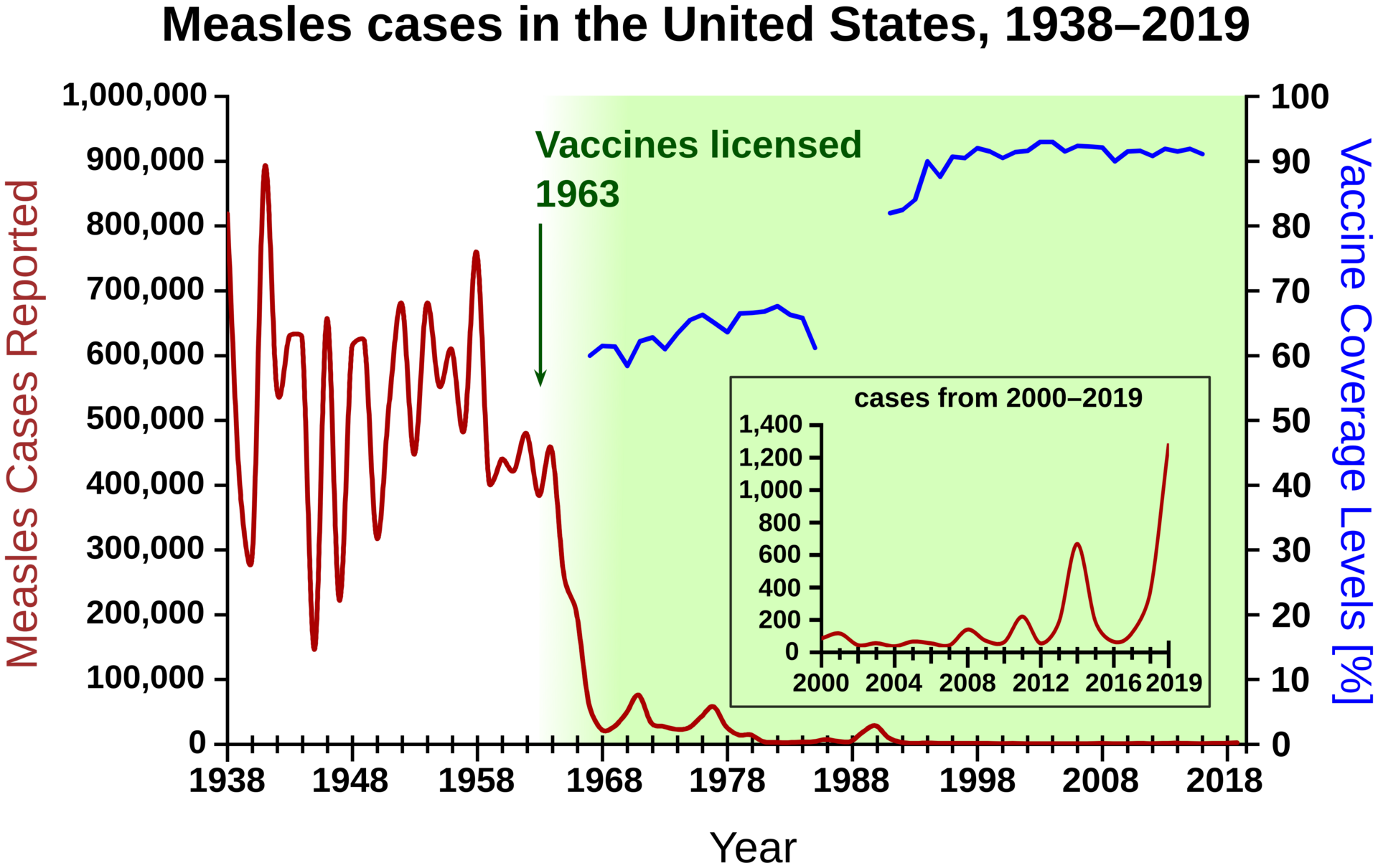
Although debunked, the myth did real and lasting damage. Frightened by it, some parents stopped vaccinating their children, and diseases like measles, once nearly eliminated in many countries, returned and spread, causing illness, suffering, and deaths that were entirely preventable.
The episode is a powerful example of how a single piece of fraudulent science, amplified by fear, media coverage, and the speed of the Internet, can cause widespread and lasting harm. It shows how important it is to weigh medical claims carefully and to rely on solid, repeated evidence rather than alarming headlines.
The conclusion of decades of careful research is clear and firm: vaccines are safe, they save millions of lives, and they do not cause autism. The claim has been thoroughly debunked, and the diseases that vaccines prevent are far more dangerous than the discredited fear that turned some people against them.
