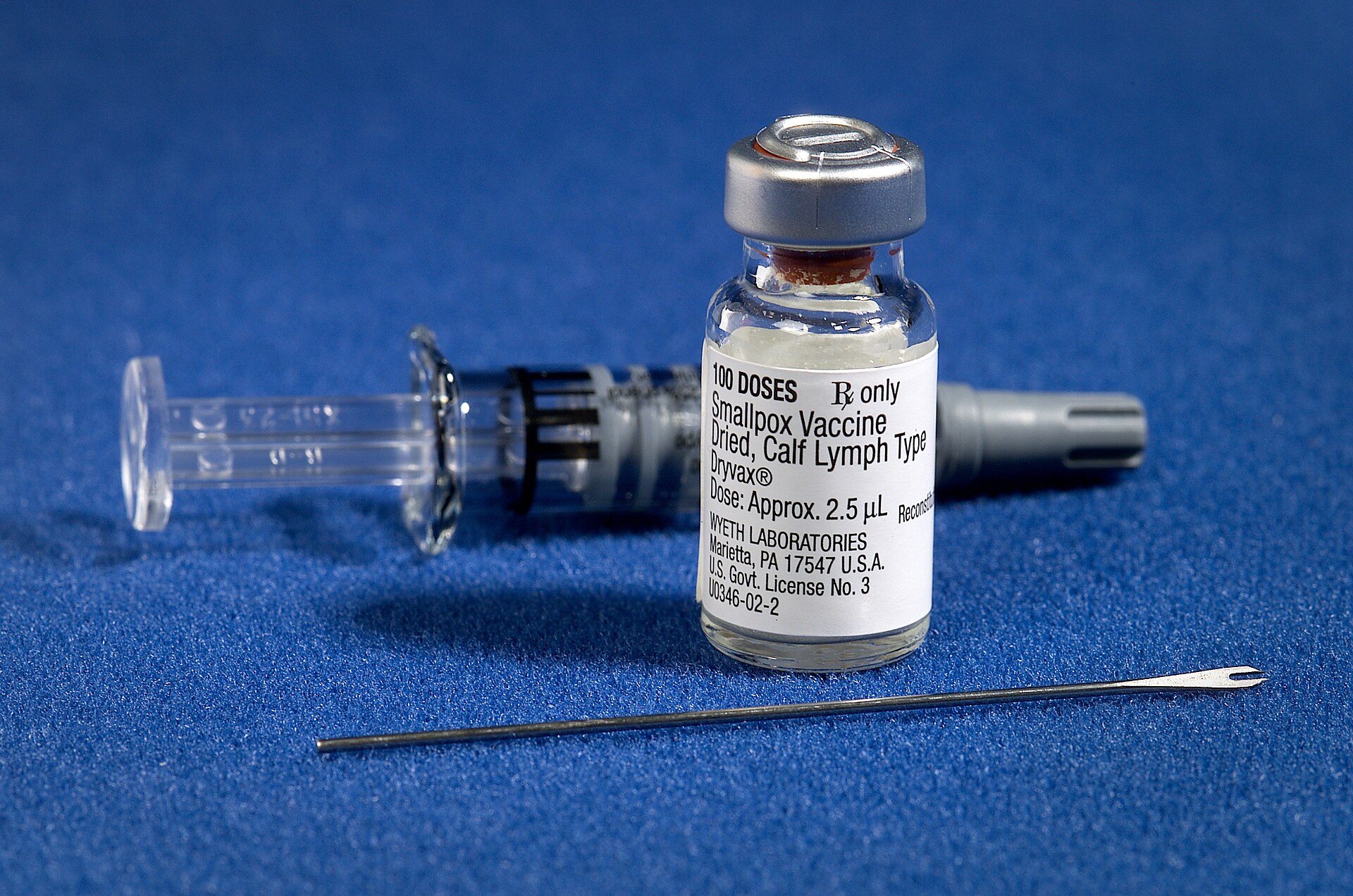
A vaccine is a preparation that trains the immune system to recognize and fight a specific disease before the body is ever exposed to the real threat. Vaccination is one of the most effective and cost saving tools in the history of medicine, having prevented hundreds of millions of illnesses and deaths around the world.
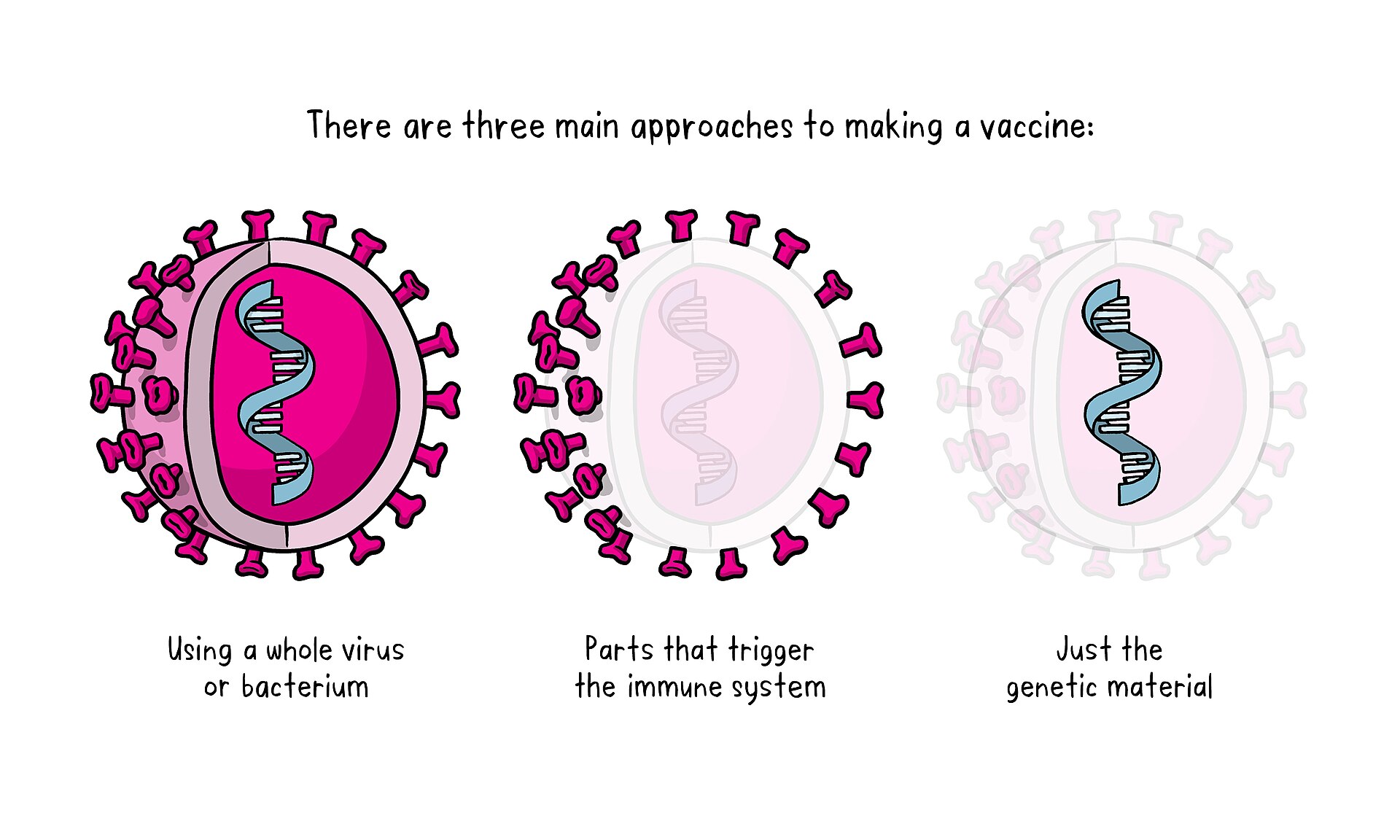
A vaccine introduces a harmless piece, or a weakened or inactivated form, of a germ into the body, such as a protein from its surface. The immune system responds by building defenses, including antibodies and long lived memory cells, without the person ever having to suffer the disease. If the real pathogen later appears, the body recognizes it at once and can stop the infection before it takes hold.
The practice has deep roots. An early technique against smallpox was in use for centuries before Edward Jenner showed in 1796 that exposure to the milder cowpox could protect against the deadly disease, giving us the word vaccine, from the Latin for cow. From that single discovery grew the modern science of immunization.
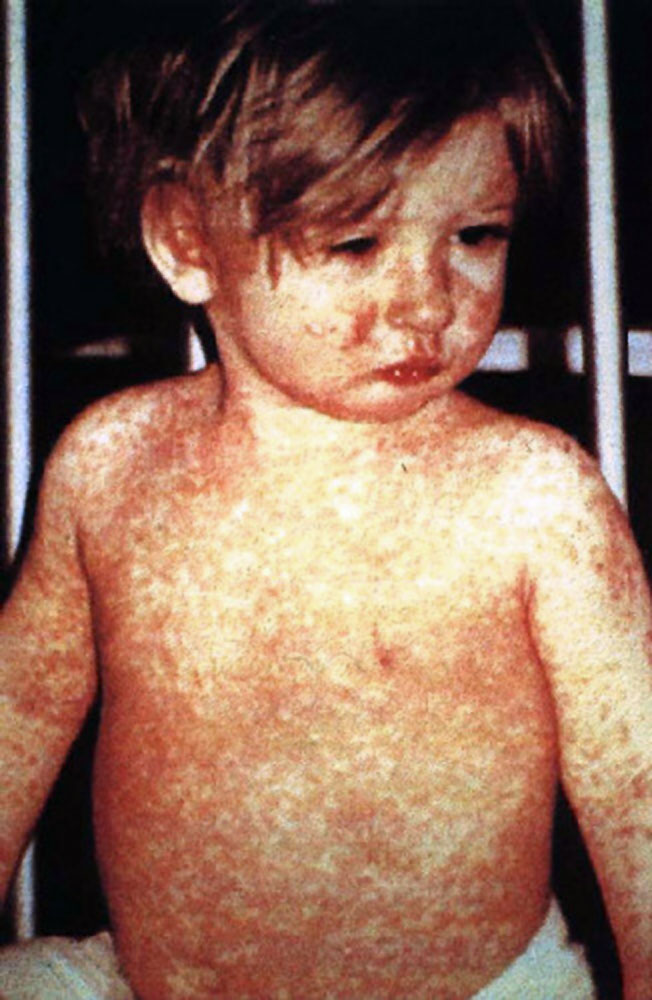
The benefits of vaccination are among the most thoroughly documented findings in all of science. Where vaccines have been widely adopted, diseases that once killed or disabled vast numbers of children have plummeted, in many cases by more than ninety nine percent. Measles, polio, diphtheria, and whooping cough have all been driven to a fraction of their former toll.
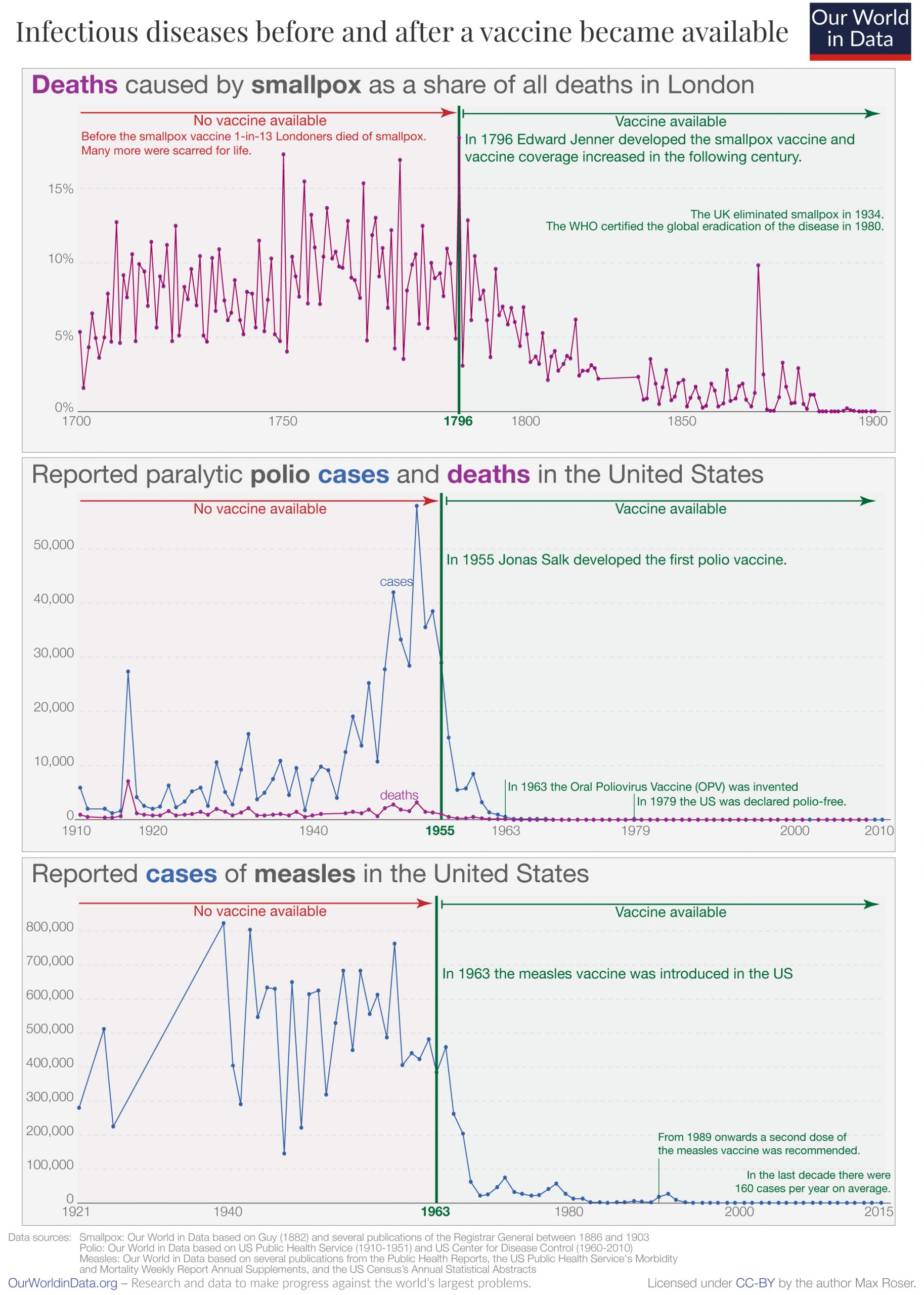
The clearest triumph of vaccination is smallpox, a disease that killed an estimated three hundred million people in the twentieth century alone. A coordinated global vaccination campaign eradicated it completely by 1980, the first and so far only human disease ever wiped from the Earth. Polio has been pushed to the very brink of the same fate.
Vaccines protect not only the person who receives them but also those around them. When enough of a population is immune, a germ can no longer spread easily, a shield known as herd immunity that protects newborns, the elderly, and people who cannot be vaccinated for medical reasons.
Today, vaccines protect against dozens of diseases and continue to be a cornerstone of public health worldwide. New techniques have made it possible to develop them faster than ever, as the rapid creation of vaccines during recent global outbreaks demonstrated, and they remain one of the surest ways to save lives at large scale.
