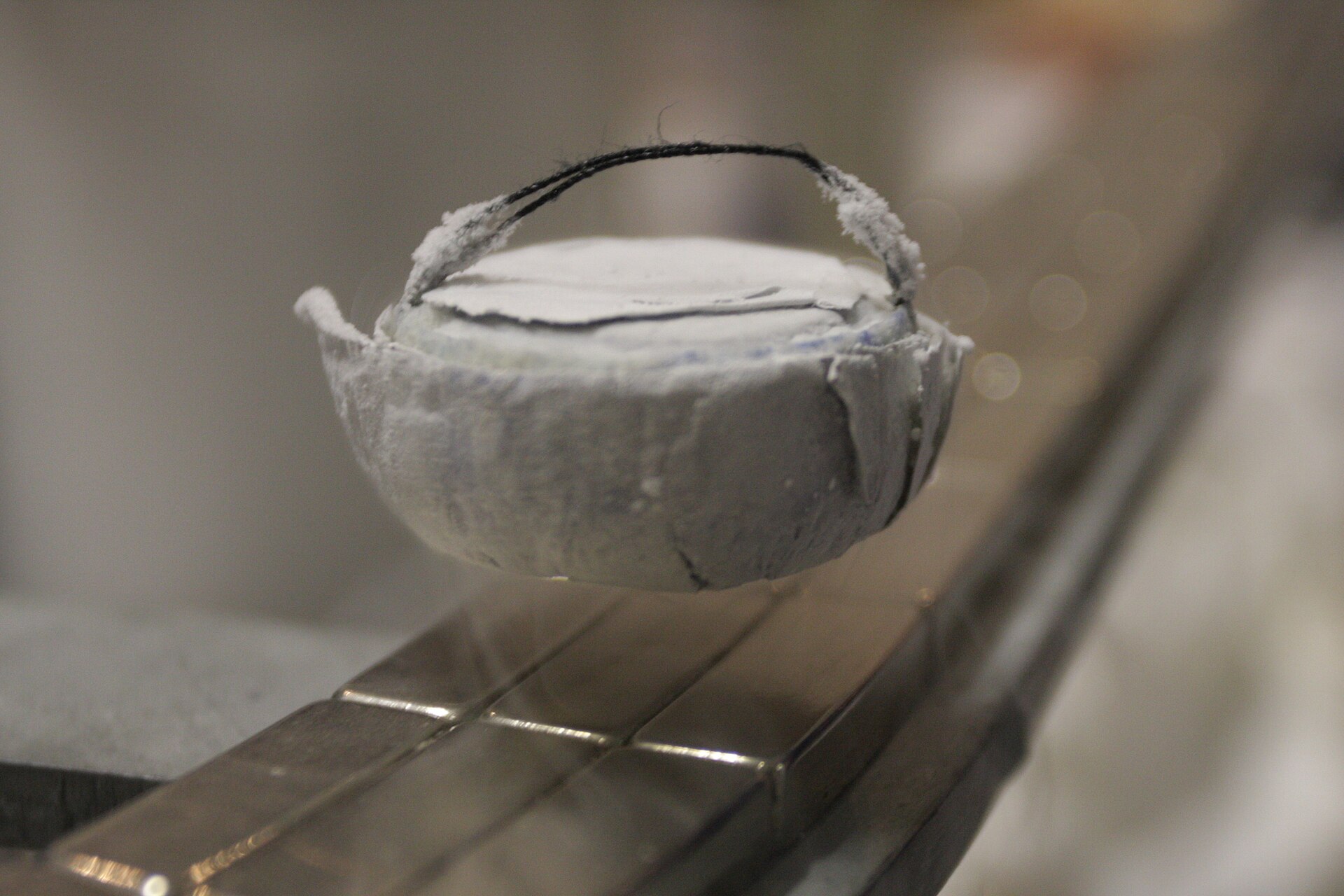
Superconductivity is a remarkable state in which certain materials, when cooled below a critical temperature, conduct electricity with absolutely no resistance, losing no energy at all. It is a real, repeatedly proven phenomenon with extraordinary uses.
In an ordinary wire, some electrical energy is always lost as heat because of resistance, the friction electrons meet as they flow. In a superconductor, below its critical temperature, that resistance vanishes completely. An electric current set flowing in a superconducting loop could circulate forever without fading.
Superconductors also expel magnetic fields from their interior, an effect that lets a magnet hover in midair above a superconductor, held up by invisible forces. This striking, easily seen demonstration, a magnet floating above a chilled disc, is one of the most memorable sights in all of physics.
Each superconducting material has a critical temperature below which the magic happens and above which it behaves like an ordinary conductor. For most superconductors this temperature is extremely low, close to absolute zero, which has long been the great obstacle to using them widely.
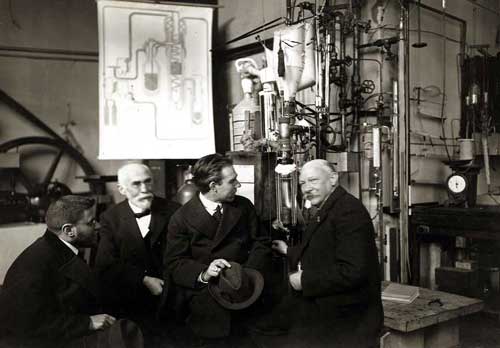
Superconductivity was discovered in 1911 by Heike Kamerlingh Onnes, who had learned to cool materials to extraordinarily low temperatures. Cooling mercury near absolute zero, he was astonished to find that its electrical resistance vanished entirely and abruptly. The effect was real, sharp, and utterly unexpected.
For decades the cause was a mystery. The explanation came in the 1950s: at very low temperatures, electrons pair up and move through the material in perfect, coordinated lockstep, gliding past the atoms without scattering. This theory, confirmed many times, accounts for how resistance can disappear completely.
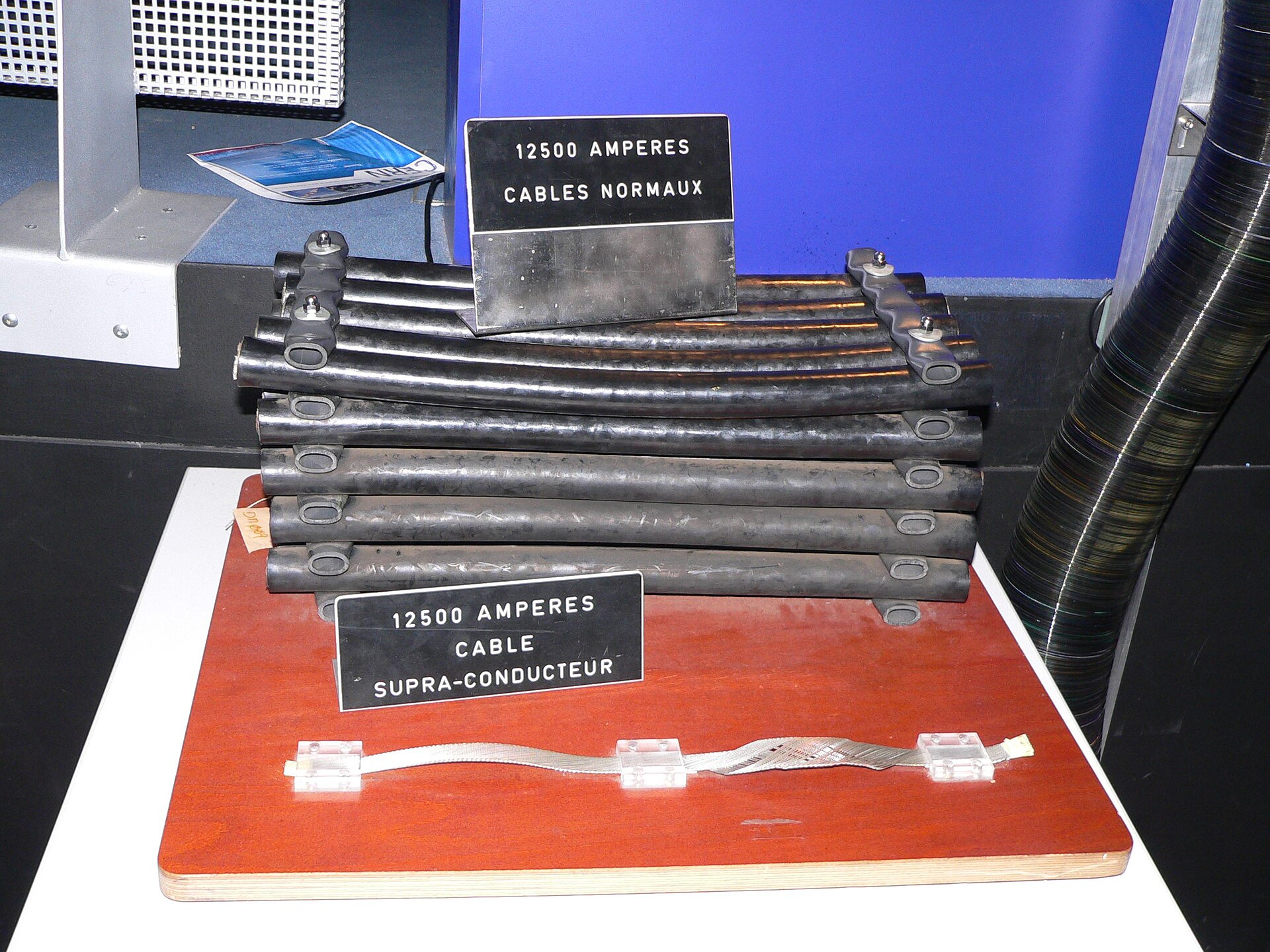
Superconductors are already vital technology. They make the powerful magnets inside MRI scanners that image the body, and the giant magnets that steer particles in colliders. Where the cost of cooling is justified, they carry electricity and create magnetic fields with perfect efficiency.
The great limitation is that most superconductors work only at extremely cold temperatures, requiring expensive cooling. The discovery, in the 1980s, of materials that superconduct at higher temperatures was a sensation, though even these still need to be very cold by everyday standards.
The ultimate goal is a material that superconducts at ordinary room temperature, without any cooling at all. Such a discovery would transform energy and technology, allowing lossless power lines, floating trains, and more. The search continues, driven by the promise of a proven phenomenon set free from the deep cold.
