The periodic table is the organizing chart of chemistry, arranging all the known chemical elements by their properties. It is one of the most powerful and elegant tools in science, revealing a hidden order in the building blocks of matter.
Each square of the table represents a chemical element, a pure substance made of just one kind of atom, such as hydrogen, carbon, or iron. The table gathers all of them, more than a hundred, into a single chart that captures how they relate to one another, in effect a map of all the basic ingredients of the physical world.
The elements are arranged in order of increasing atomic number, which is the number of protons in the nucleus, from hydrogen with one up through the heaviest known elements. This number, not the element's weight, is the true key to its identity and its place in the table.
The elements are laid out in horizontal rows, called periods, and vertical columns, called groups. The arrangement is designed so that elements with similar chemical behaviour fall into the same column, which is why the layout is called "periodic." The structure makes patterns leap out that would otherwise be invisible.
Each column is a family of elements that behave alike. The reactive metals of one group, the unreactive noble gases of another, and the corrosive halogens of a third each share a common character. Knowing where an element sits immediately tells a chemist a great deal about how it will react.
The table was devised in 1869 by the Russian chemist Dmitri Mendeleev, who arranged the known elements by their properties and boldly left gaps where no element was yet known. He trusted the pattern enough to predict the properties of these missing elements in detail.

When the predicted elements were later discovered and matched Mendeleev's descriptions closely, it was a striking confirmation that the table captured something real and deep about nature, not just a convenient arrangement. Few scientific predictions have been so specific or so dramatically borne out.
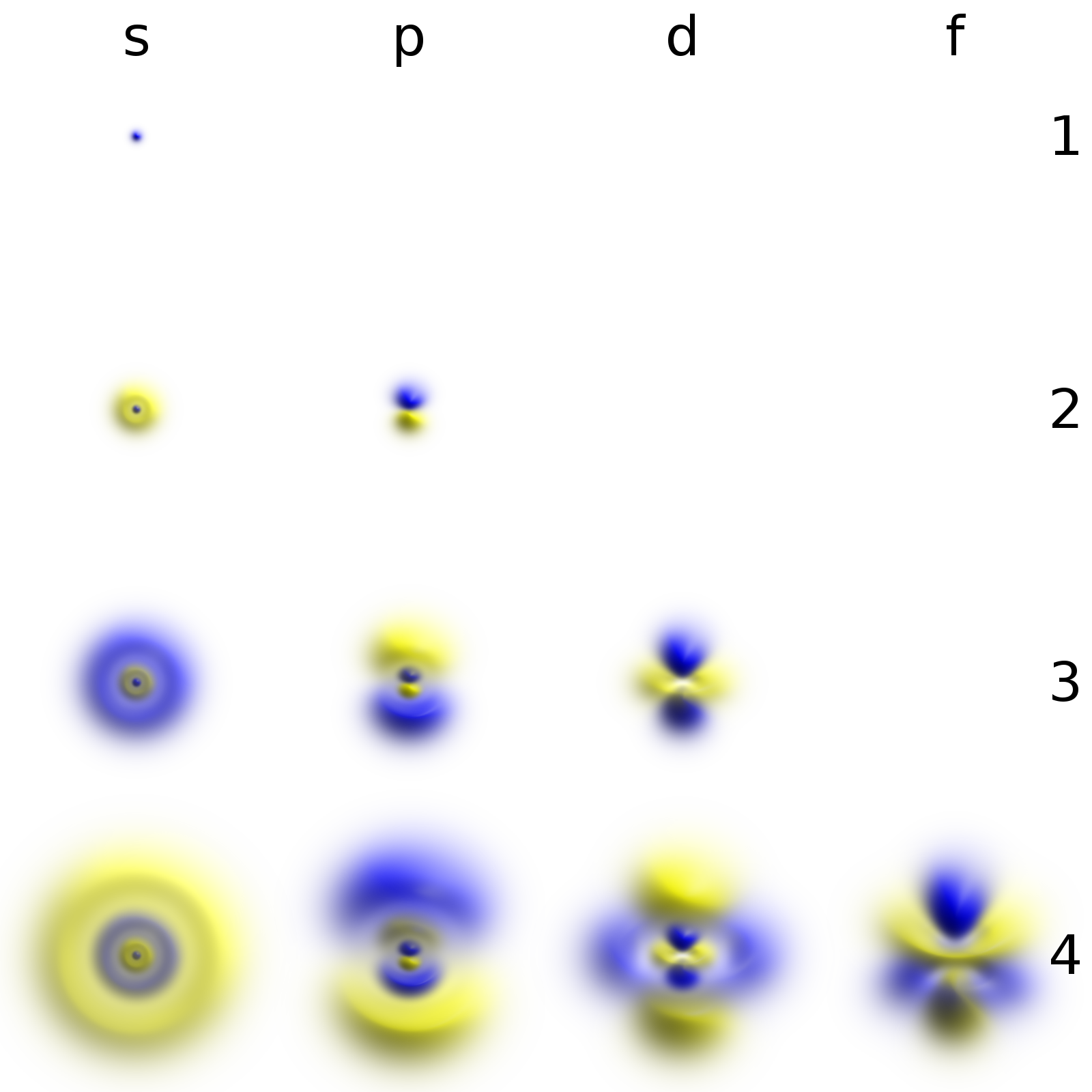
Later science explained why the table works. An element's chemistry is governed by how its electrons are arranged, and these arrangements repeat in a regular pattern as atomic number increases. Elements in the same column share similar outer electron structures, which is exactly why they behave alike.
Most elements were forged inside stars and in the explosions that end their lives, then scattered into space to form new worlds. A handful of the heaviest elements do not occur in nature at all and have been created only in laboratories, in tiny amounts, by smashing atoms together.
The modern table holds well over a hundred elements and hangs in classrooms and laboratories everywhere. It is at once a practical reference, a record of one of science's great achievements, and a beautiful summary of the order underlying all matter, a single chart that contains the whole material world.
