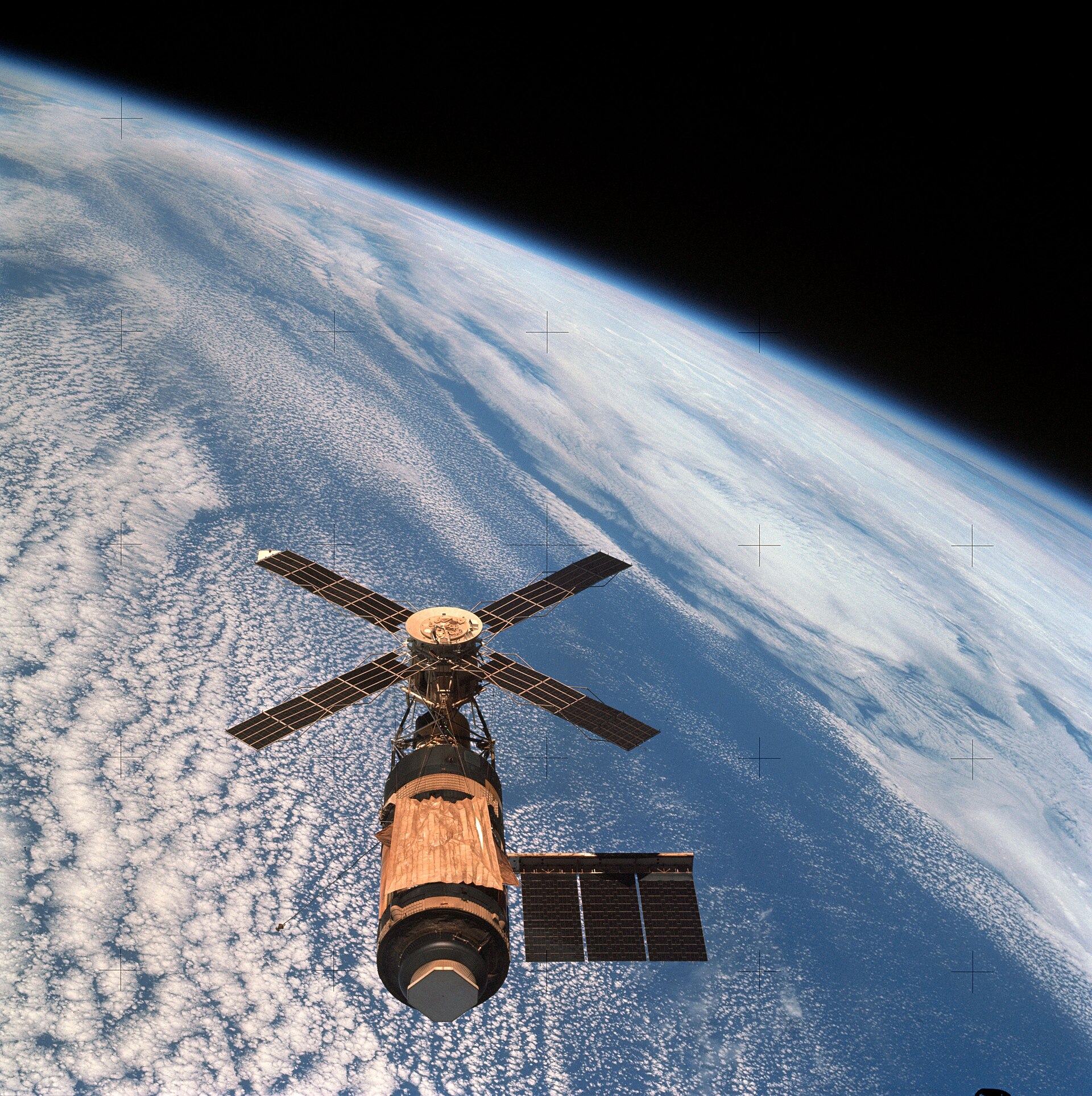
Newton's laws of motion are three principles, set out by Isaac Newton in 1687, that describe how objects move under the action of forces. For more than three centuries they have accurately predicted the motion of everything from falling apples to orbiting planets.
The first law states that an object stays at rest, or keeps moving in a straight line at constant speed, unless a force acts on it. This tendency to keep doing what it is doing is called inertia. A ball will not start, stop, or turn on its own; something must push or pull it.
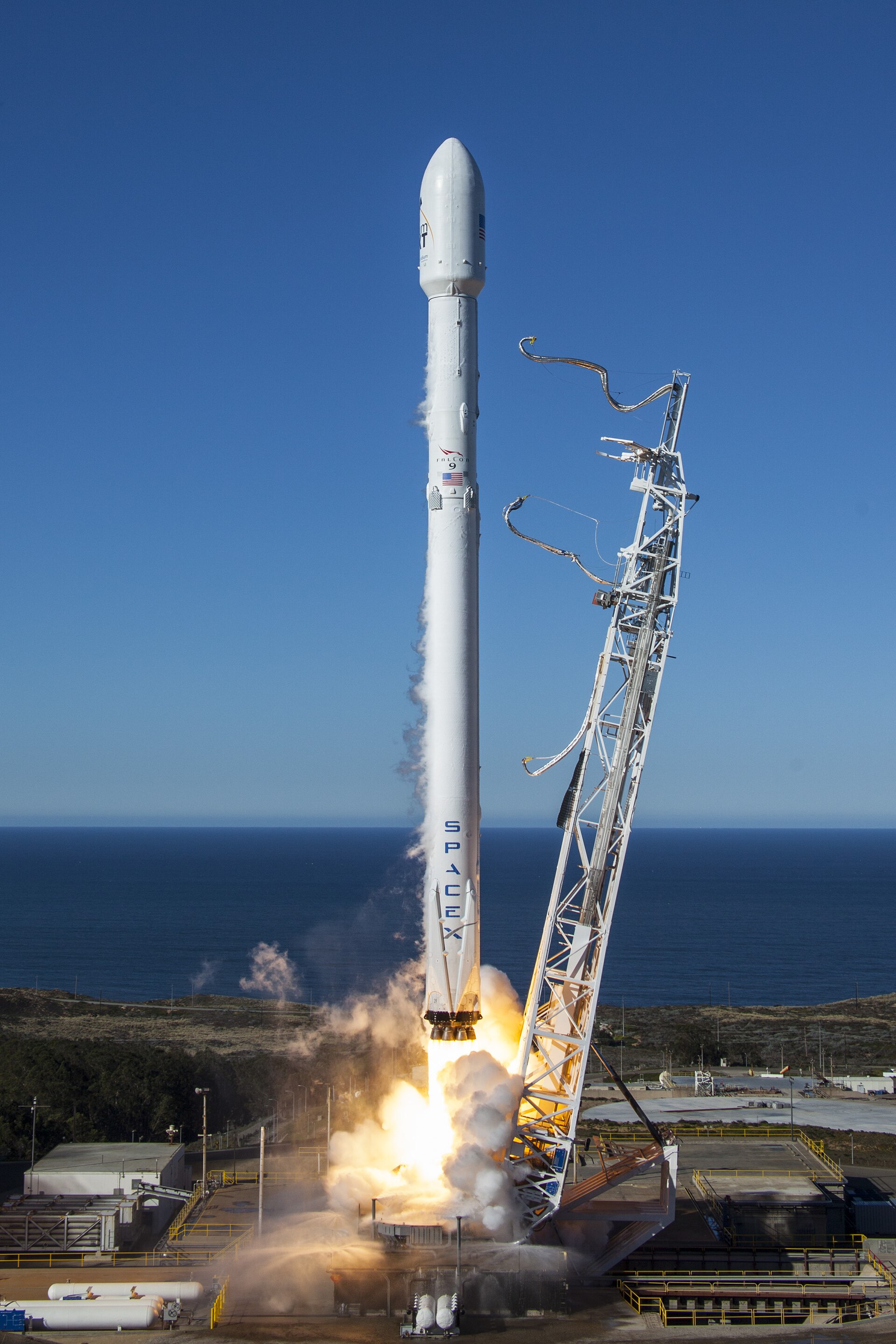
The second law explains what a force does: it causes an object to accelerate, to change its speed or direction. The acceleration is larger for a bigger force and smaller for a heavier object. This simple relationship, force equals mass times acceleration, is one of the most useful equations in all of physics.
The third law states that for every action there is an equal and opposite reaction. Forces always come in pairs: when you push on a wall, it pushes back on you with equal force. This is why a rocket flies, throwing gas downward so the gas throws the rocket up.
Underlying the laws is the idea of a force, a push or a pull. Gravity, friction, tension, and the thrust of an engine are all forces. Newton's genius was to show that the same simple rules govern how any force changes the motion of any object, on Earth or in the heavens.
Newton's laws have been confirmed by countless experiments and by the success of the engineering built upon them. They explain why a ball follows a curved arc, why a car needs force to speed up or stop, and why a spinning top stays upright. Every bridge and machine relies on them.

The same laws let astronomers predict the positions of the planets with great accuracy, and engineers guide spacecraft across the Solar System, slinging them past planets and landing them on distant worlds. A probe arriving at a comet after a journey of years is Newton's laws made manifest.
Newton's deepest achievement was to show that the same physics governs both the everyday world and the cosmos. The force that makes an apple fall is the very force that holds the Moon in its orbit. With this insight he united the heavens and the Earth under a single set of laws.
For ordinary objects at everyday speeds, Newton's laws are essentially perfect, and they remain the workhorse of physics and engineering. They do have limits: near the speed of light, Einstein's relativity takes over, and at the scale of atoms, quantum mechanics rules. But within their vast domain, they stand as one of the most successful and thoroughly proven theories in history.
