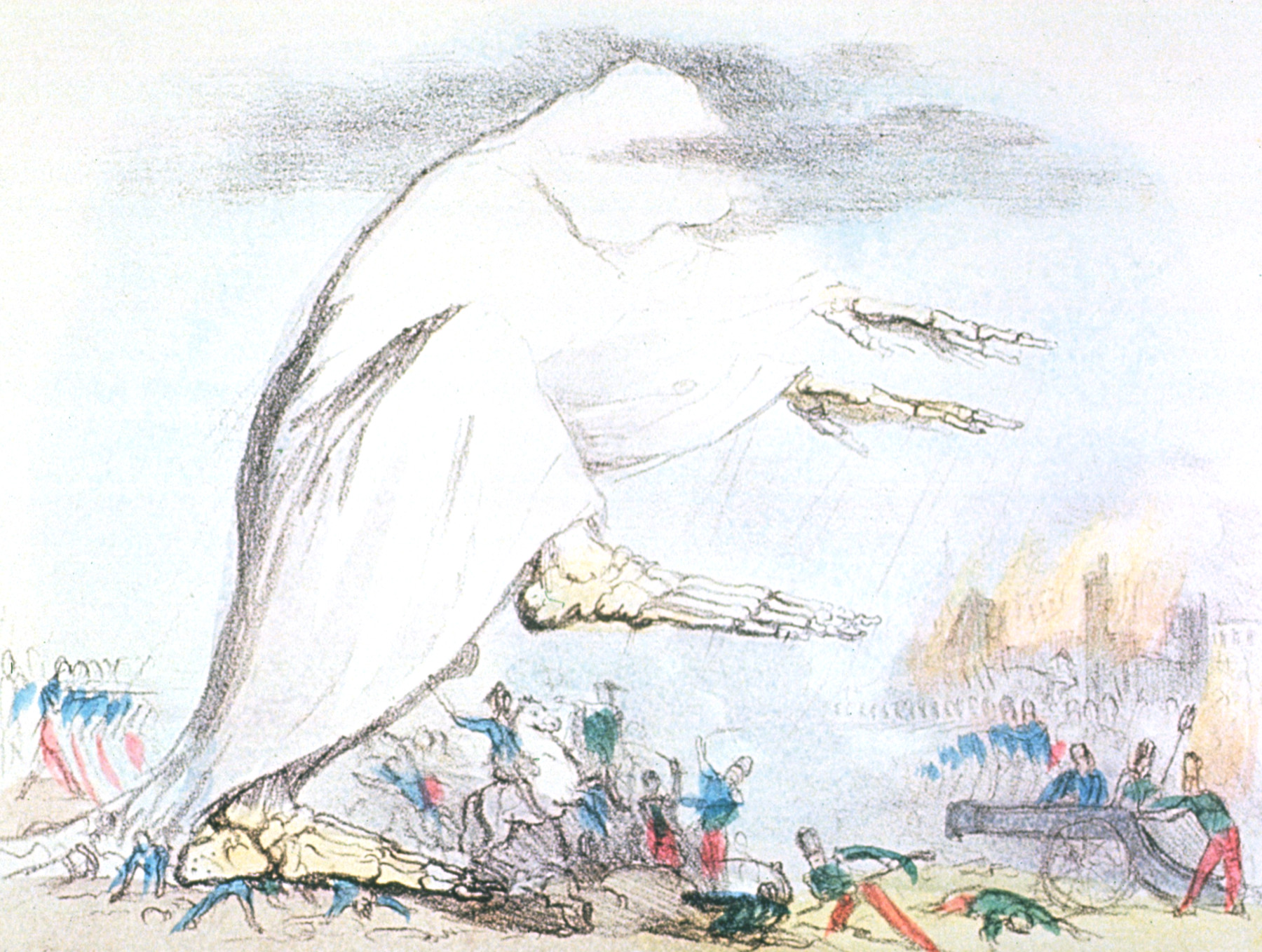
Miasma theory was the belief that diseases such as cholera and the plague were caused by "bad air," a poisonous vapor thought to rise from rotting matter, filth, and decay. It guided medical thinking and public policy for centuries before being replaced by the germ theory of disease.
According to miasma theory, foul smells were not merely unpleasant but actively dangerous, and epidemics took hold wherever the air had been corrupted by waste and decomposition. The word malaria, meaning "bad air," comes directly from this idea.
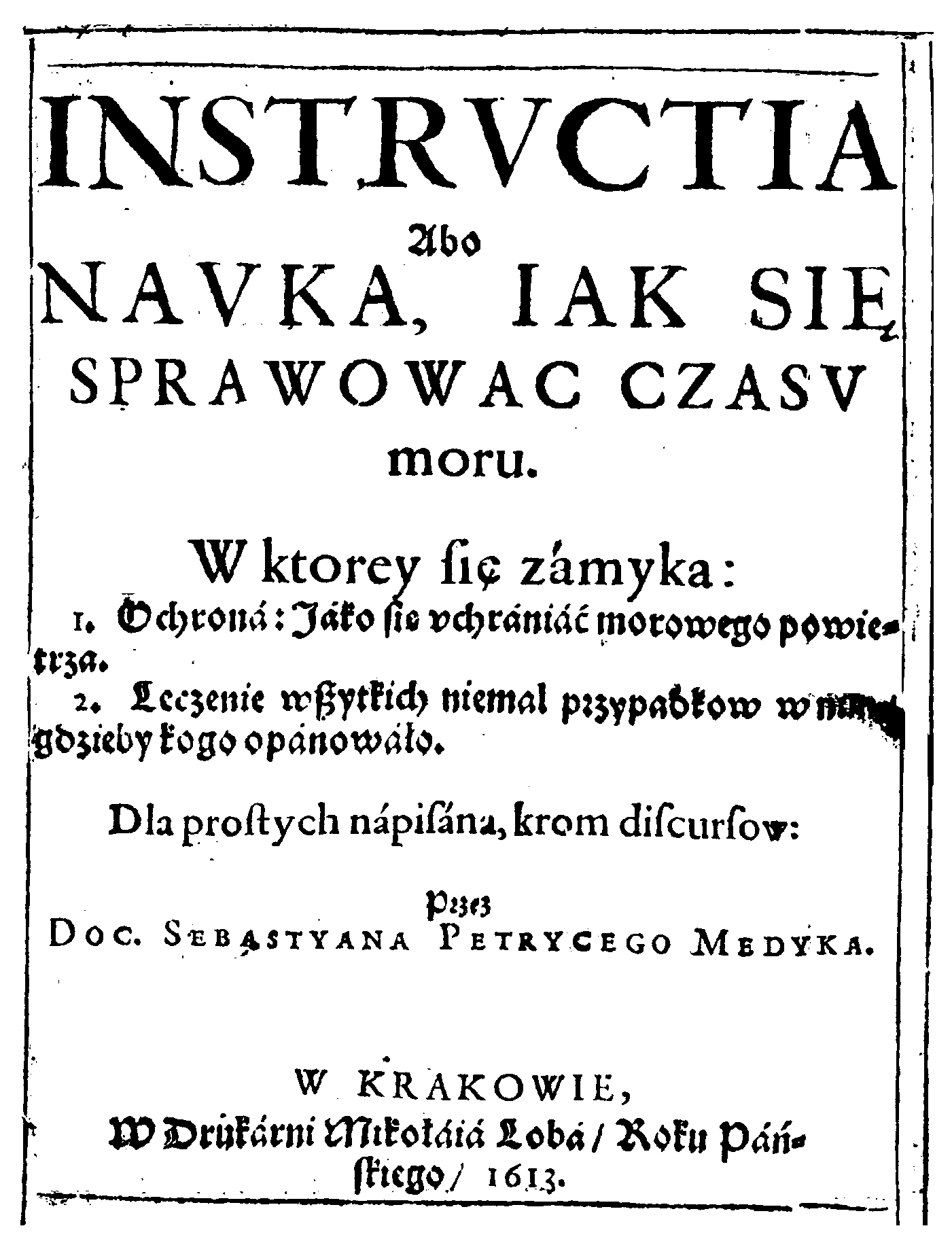
The theory had a certain plausibility, which is why it lasted so long. Disease really did cluster in dirty, crowded, foul smelling districts, so the link between stench and sickness seemed obvious. What the theory got wrong was the direction of cause: the filth was indeed dangerous, but because of the living organisms it harbored, not the smell it produced.
The decisive challenge came in 1854, when the physician John Snow investigated a deadly cholera outbreak in London. By carefully mapping the deaths, he traced them to a single public water pump on Broad Street and showed that the disease spread through contaminated water, not foul air. Removing the pump handle helped bring the outbreak to an end.
The later work of Louis Pasteur and Robert Koch confirmed the deeper truth, that specific living microorganisms, not vapors, cause specific diseases. With the microscope and the careful identification of particular germs, the vague notion of poisonous air gave way to a precise understanding of how infections actually spread.
Miasma theory was mistaken about the cause of disease, but it was not entirely without value. Its emphasis on cleanliness, drainage, and the removal of waste genuinely reduced sickness, even though the reasoning behind it was wrong.
That focus on sanitation carried over into the germ era and saved countless lives, as cities built sewers and supplied clean water. Miasma theory is remembered as a wrong theory that nonetheless pushed public health in the right direction, until a better explanation arrived to guide it more precisely.
