The germ theory of disease is the scientific theory that many illnesses are caused by microorganisms, living agents too small to see, that invade the body and multiply. Though obvious today, it overturned thousands of years of belief and became one of the most consequential ideas in the history of medicine.
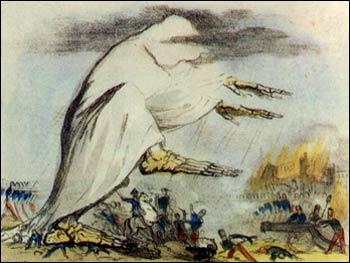
For most of history, disease was blamed on "miasma", bad air rising from filth and decay, or on imbalances of bodily fluids. These ideas were not merely wrong; they shaped useless or harmful responses to epidemics such as cholera, which swept nineteenth century cities with no understood cause.
A turning point came in 1854, when the physician John Snow traced a cholera outbreak in London to a single contaminated water pump. By mapping the deaths and persuading authorities to remove the pump handle, he showed the disease spread through tainted water, not bad air, an early triumph of careful evidence over entrenched belief.
The germ theory proposed instead that specific microbes cause specific diseases, can spread from person to person, and can be combated by preventing their transmission. This single reframing explained contagion, gave a rationale for sanitation and sterilization, and opened the door to vaccines and, later, antibiotics.
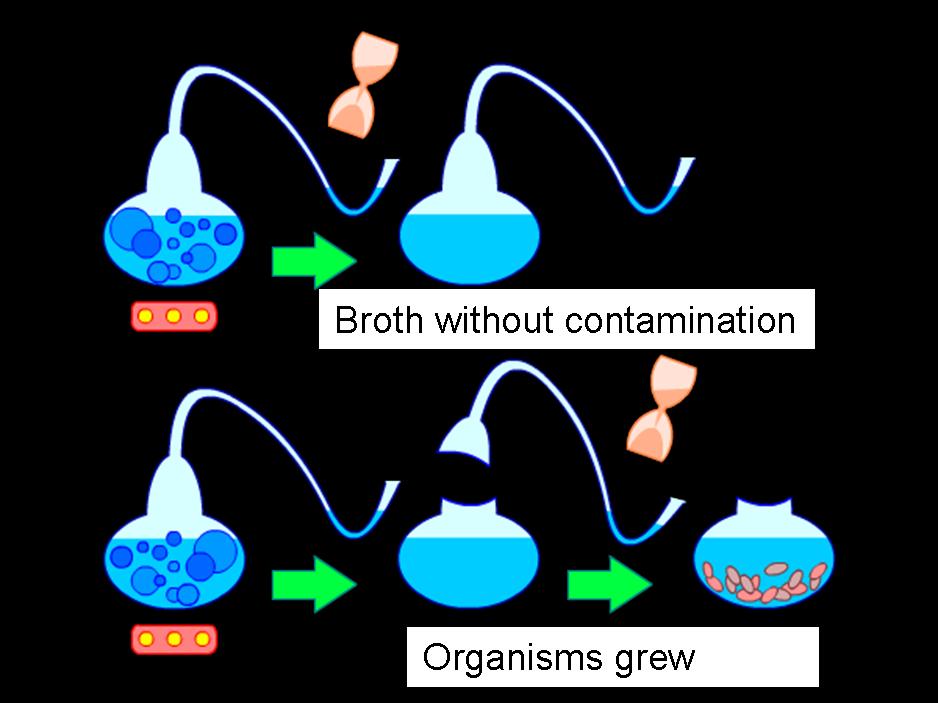
Louis Pasteur's experiments in the 1860s showed that microbes do not arise spontaneously but come from other microbes, undermining the old belief in spontaneous generation. Robert Koch then established rigorous criteria for proving that a particular microbe causes a particular disease, identifying the agents of anthrax, tuberculosis, and cholera.
Germ theory transformed medicine almost beyond recognition. It led the surgeon Joseph Lister to introduce antiseptic methods that made operations survivable, drove the building of clean water and sewage systems that saved millions of lives, and underpinned the vaccines and antibiotics that followed.
What was once a radical proposal is now the confirmed foundation of modern medicine and public health. From handwashing to vaccination to the response to new epidemics, the understanding that invisible microbes cause disease guides almost everything we do to stay well.
