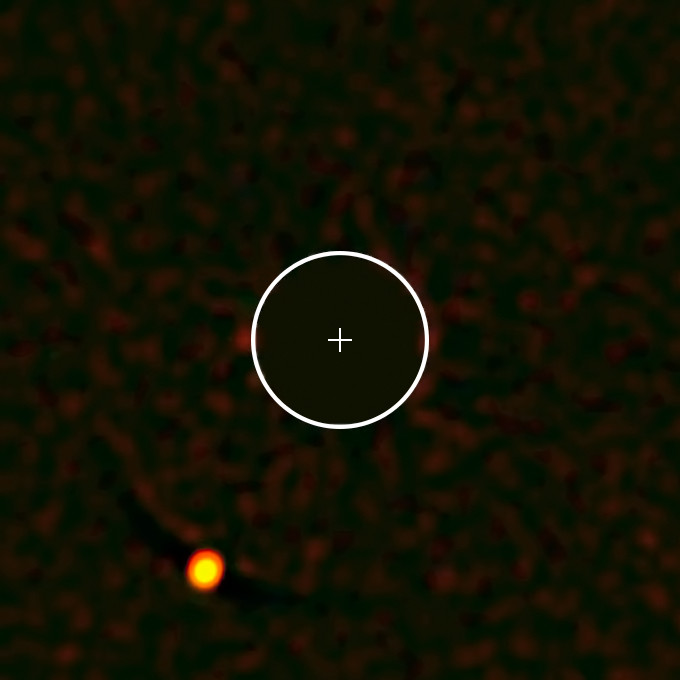
Exoplanets are planets that orbit stars other than our Sun. For centuries their existence was only speculation; today thousands have been confirmed, proving that planets are common throughout the galaxy and transforming our view of the universe.
An exoplanet is any planet outside our Solar System. For most of history, whether other stars had planets was pure conjecture; the Sun's family was the only one known. Now we know that planets are not rare at all, but a common feature of the cosmos, circling stars across the galaxy.
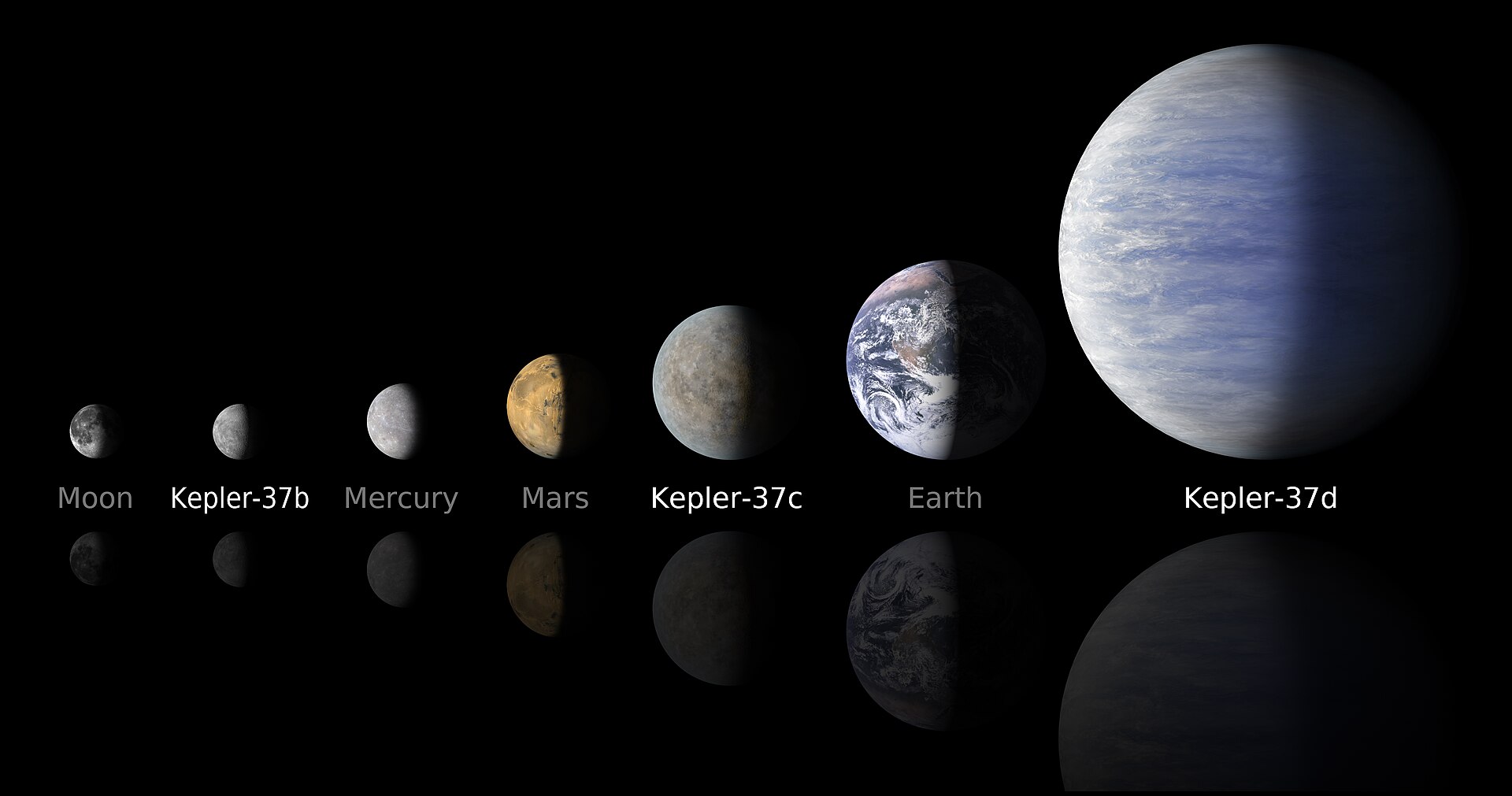
Exoplanets come in a huge variety, far stranger than anyone expected. There are scorching giant planets that hug their stars in days, frozen worlds far from any warmth, and rocky planets that may resemble Earth. Some orbit two stars at once, and some drift alone through space, having been flung from their systems.
Exoplanets are extremely hard to detect directly, because their stars vastly outshine them, like a firefly beside a searchlight. For this reason, almost all exoplanets are found not by seeing them, but by sensing their effects on the star they orbit, through clever indirect methods.
The first confirmed planet around a Sun like star was found in 1995, by detecting the tiny wobble its gravity caused in its star as the planet swung around. This landmark discovery, which won a Nobel Prize, proved at last that other stars truly do have planets, ending centuries of speculation.
Astronomers also watch for the slight dimming of a star when a planet passes in front of it, blocking a tiny fraction of its light. Space telescopes using this transit method have confirmed thousands of worlds, scanning many stars at once and revealing how common planets really are.
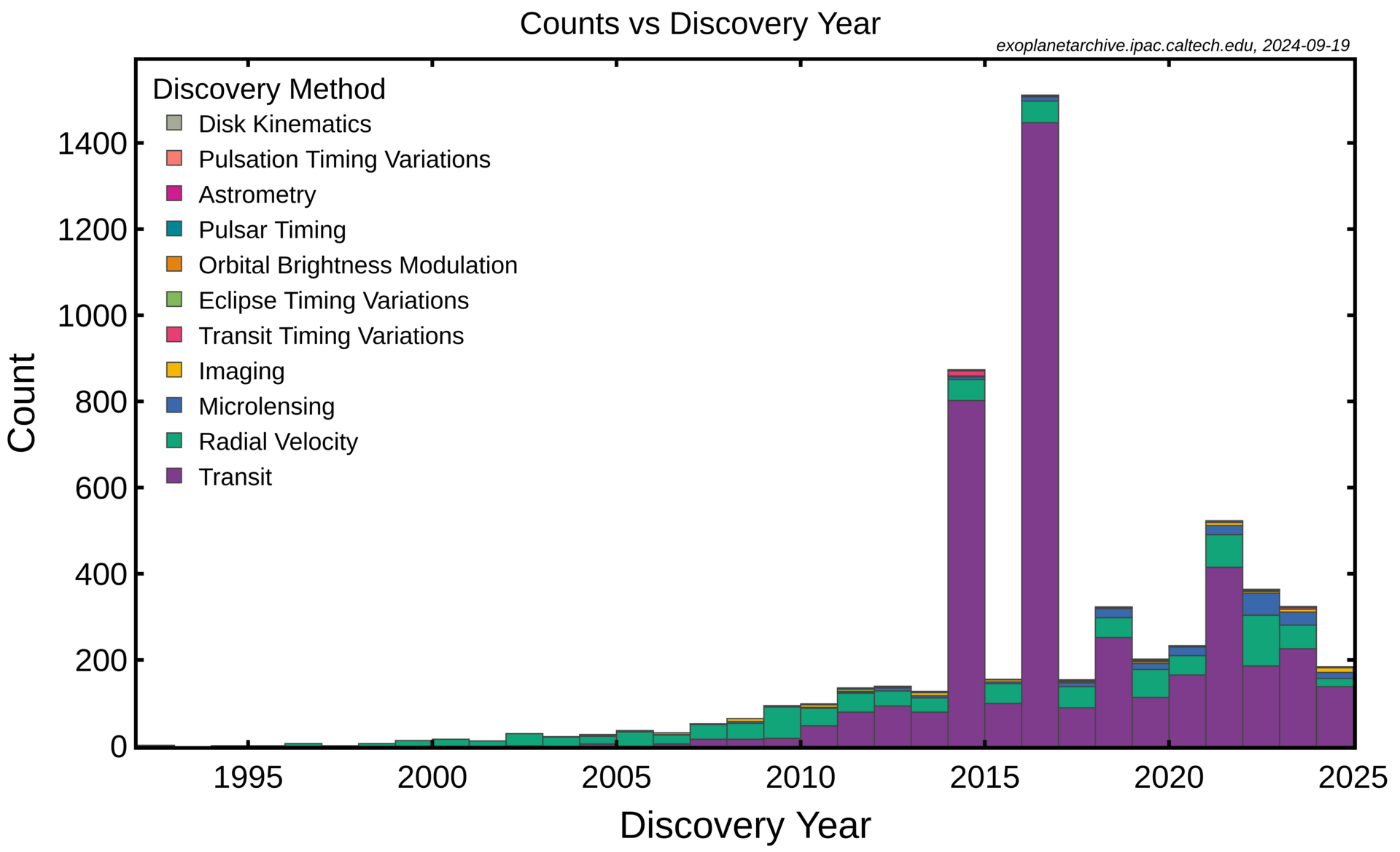
What began as a trickle has become a flood. Dedicated space missions have driven the number of confirmed exoplanets from a handful to many thousands, with more found every year. We now know that, on average, the galaxy holds at least one planet per star, an astonishing abundance.
Many exoplanets lie in the "habitable zone," the band around a star where temperatures could allow liquid water to exist on a planet's surface. The discovery that such potentially life friendly worlds are common has energized the search for life beyond Earth.
Astronomers are now beginning to study the atmospheres of distant worlds, looking for chemical signs that life might produce. Powerful new telescopes can sample the light passing through an exoplanet's air. The discovery of exoplanets, once merely hoped for, is one of the great confirmed advances of modern astronomy, and the search for living worlds has only begun.
