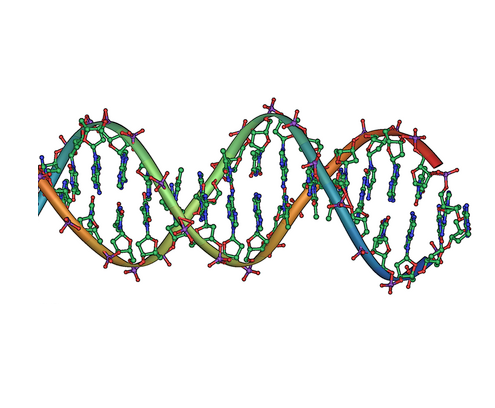
DNA fingerprinting, also called DNA profiling, is a technique that identifies individuals by the unique patterns in their genetic material. Since its invention in the 1980s, it has transformed forensic science, justice, and the study of family relationships.
Almost every cell in your body contains DNA, the molecule that carries your genetic instructions. While most of this DNA is shared by all humans, certain regions vary greatly from person to person. By examining these highly variable stretches, scientists can build a profile that is, except in identical twins, effectively unique to each individual.

The key lies in regions where short sequences of DNA are repeated, with the number of repeats differing widely between people. Counting these repeats at several locations produces a combination so individual that the chance of two unrelated people sharing it is vanishingly small, like a genetic barcode.
Because every cell carries the same DNA, only a tiny sample is needed: a drop of blood, a trace of saliva, a single hair root, or a flake of skin. Modern methods can amplify even minute amounts of DNA, so that traces left at a scene long ago can still yield a profile.
The technique was discovered in 1984 by the British geneticist Alec Jeffreys, who realized, almost by accident, that the patterns in these variable regions could identify individuals and reveal family relationships. He coined the term "DNA fingerprinting," recognizing he had found a powerful new tool.
Since then the method has been refined, standardized, and tested exhaustively. Its statistical reliability, when performed properly, is extremely high, which is why courts around the world accept DNA evidence as proven and powerful. Rigorous procedures guard against contamination and error in the laboratory.
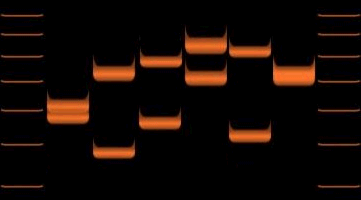
DNA fingerprinting has reshaped criminal justice. It helps convict the guilty by matching them to traces left at a scene, and, just as importantly, it has exonerated the innocent, freeing many people who had been wrongly imprisoned, sometimes after decades, when old evidence was finally tested.
The technique reaches far beyond crime. It is used to settle questions of parentage, to identify victims of disasters and war, to trace ancestry and family history, and to study and protect endangered species by tracking individuals and populations in the wild.
A method born in a single laboratory has become one of the most trusted tools in modern science. By reading the unique patterns hidden in our DNA, fingerprinting has transformed how we establish identity, deliver justice, and understand our connections to one another.
