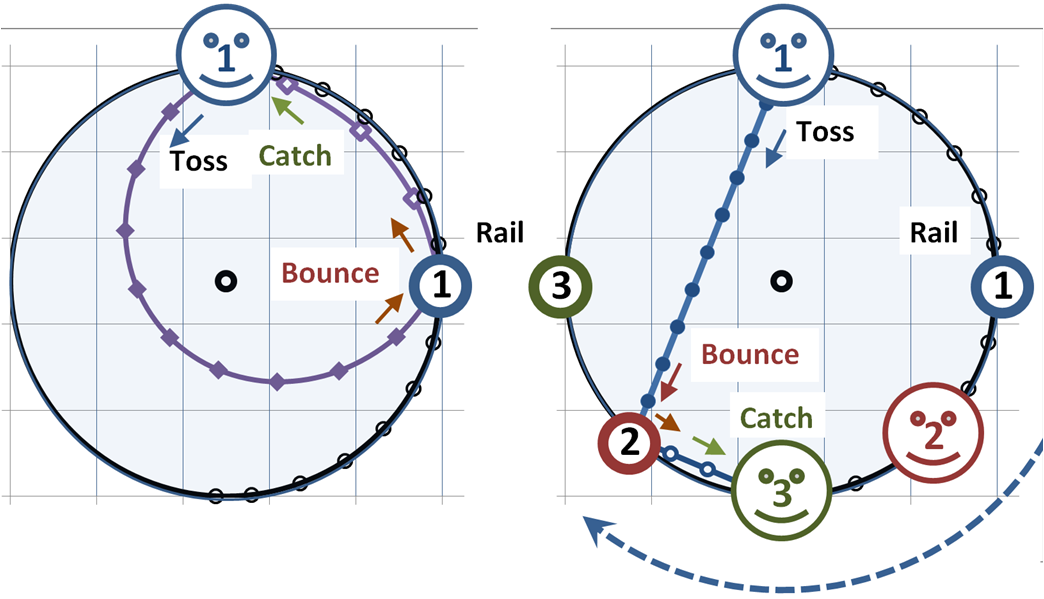
The Coriolis effect is the apparent deflection of moving objects, such as air and water, when viewed from a rotating frame like the spinning Earth. It is a real and measurable consequence of the planet's rotation, and it shapes the world's weather and ocean currents.
Because the Earth rotates, anything moving freely over its surface follows a curved path as seen from the ground. In the Northern Hemisphere moving objects veer to the right, and in the Southern Hemisphere to the left. This gentle, persistent twist arises purely from the fact that the ground beneath is turning.
The effect occurs because different parts of the spinning Earth move at different speeds, fastest at the equator and slower toward the poles. As air or water travels north or south, it carries its original eastward speed with it, arriving over ground moving at a different rate, so its path appears to curve.
Over short distances the Coriolis effect is far too weak to notice. But across the scale of continents and oceans, where winds and currents travel for thousands of kilometres, the small deflection adds up to a powerful, shaping force, steering the great flows of the atmosphere and the seas.
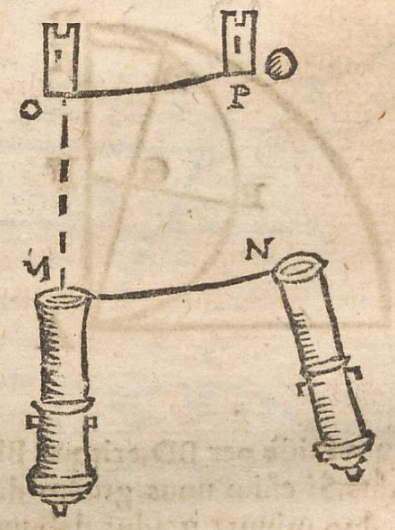
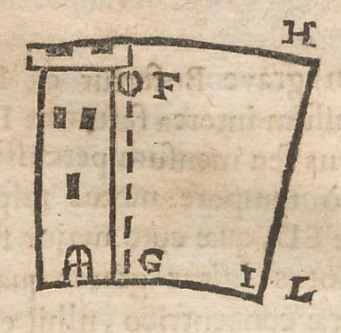
Though it arises from our rotating viewpoint, the Coriolis effect produces real, predictable, and measurable results. It is not a trick of perception but a force that must be accounted for, and ignoring it leads to real errors in everything from weather forecasting to gunnery.
The reality of the effect is confirmed by the success of the physics built upon it. The mathematics that includes the Coriolis effect successfully forecasts the weather and guides long range artillery and rockets, which would miss their targets if it were left out. Named after the mathematician Gaspard-Gustave de Coriolis, it is firmly established.
The Coriolis effect gives the great weather systems their swirl, sending hurricanes and cyclones spinning, counterclockwise in the north and clockwise in the south. It steers the prevailing winds and helps organize the vast patterns of atmospheric circulation that distribute heat around the globe.
The same force shapes the major ocean currents, deflecting them into the great looping gyres that circulate water around the ocean basins. These currents carry warmth from the tropics toward the poles and profoundly influence the climate of the lands they pass.
Contrary to a popular myth, the Coriolis effect is far too weak to control which way water drains from a sink or toilet, where the basin's shape and the water's initial motion decide the swirl. But on the scale of the planet, the Coriolis effect is a major, well proven force that helps run the engine of Earth's climate.
