The conservation of mass is the principle that, in any ordinary physical or chemical change, matter is neither created nor destroyed. The total mass of the substances present before a reaction equals the total mass afterward. It is a cornerstone of chemistry and physics.
When wood burns to a little ash, or sugar dissolves and vanishes into water, it can seem that matter is lost or made. The principle of conservation of mass says otherwise: the atoms are merely rearranged or moved, never destroyed. If everything involved is accounted for, the totals always balance exactly.
The reason mass is conserved is that chemical reactions only shuffle atoms into new combinations. The same atoms that start a reaction are all still present at the end, simply bonded differently. Counting atoms before and after a reaction is the basis of how chemists balance equations.
Reactions often seem to break the rule because gases escape or join unseen. Burning wood combines with oxygen from the air and releases gases that drift away, so the ash weighs less. Rusting iron quietly absorbs oxygen, so it weighs more. Weigh the gases too, and the balance is restored.
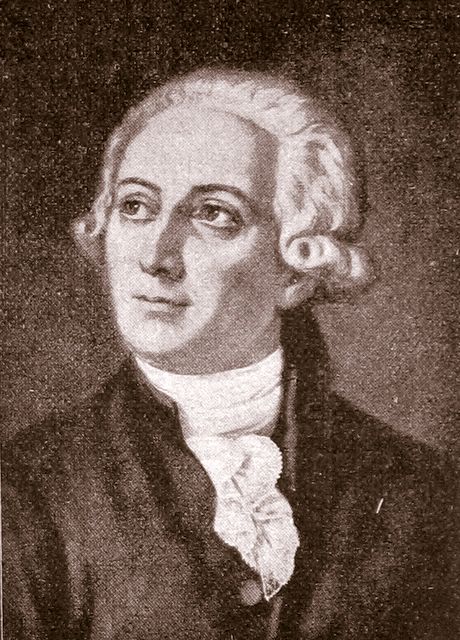
The principle was put on a firm footing in the late eighteenth century by the French chemist Antoine Lavoisier, often called the father of modern chemistry. By conducting reactions in sealed containers, so nothing could enter or escape, and weighing everything with great precision, he showed the mass stayed exactly constant.
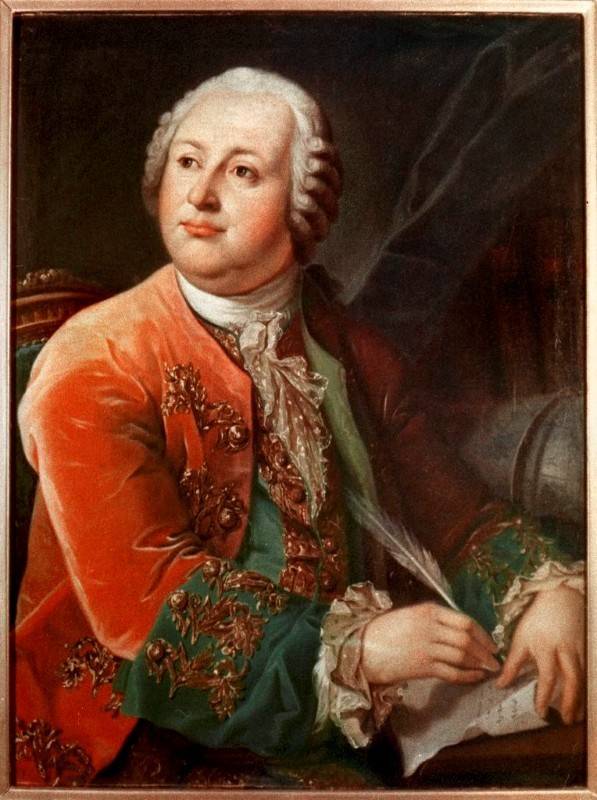
Lavoisier's careful weighing, echoed by the earlier work of the Russian scientist Mikhail Lomonosov, transformed chemistry from a qualitative art into a precise, quantitative science. By insisting that the books must balance, he made chemistry a discipline of exact measurement.
Conservation of mass lets chemists predict exactly how much of each substance a reaction will produce, which is essential to everything from industry to medicine to cooking. A factory making fertilizer, or a pharmacist preparing a drug, relies on the certainty that atoms are neither gained nor lost.
In the twentieth century, Einstein revealed a subtle refinement. Mass and energy are interchangeable, related by his famous equation, and in nuclear reactions a tiny amount of mass converts into a huge amount of energy. Strictly, it is mass and energy together that are conserved.
For all everyday chemistry, the conversion of mass into energy is utterly negligible, and mass is conserved to an extraordinary degree. The principle remains one of the most reliable rules in all of science, a simple statement of bookkeeping that holds the whole of chemistry together.
