The law of conservation of energy states that energy cannot be created or destroyed, only changed from one form into another. The total amount of energy in an isolated system always stays the same. It is one of the most fundamental and rigorously confirmed principles in all of physics, underpinning everything from engines to the evolution of the universe.
Energy comes in many forms: the energy of motion, of heat, of light and sound, of chemical bonds, and of electric and magnetic fields, among others. The law says these forms can transform freely into one another, but the total never changes. When a ball falls, its stored energy of height becomes energy of motion. When fuel burns, chemical energy becomes heat and light. In every case the accounts balance exactly.
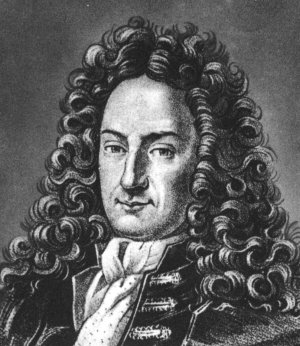
The principle was not the discovery of a single person but was assembled piece by piece over the eighteenth and nineteenth centuries. Early thinkers like Gottfried Leibniz argued that a certain "living force" in moving objects was conserved, an early glimpse of the modern idea of kinetic energy.
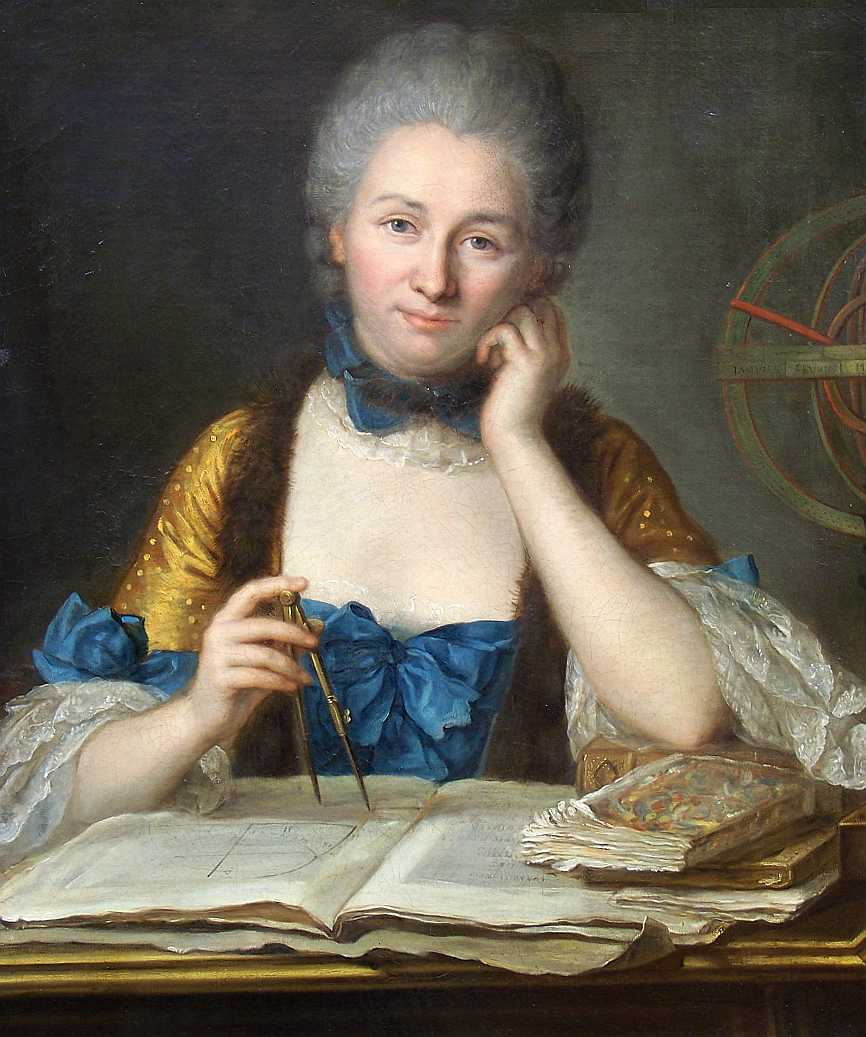
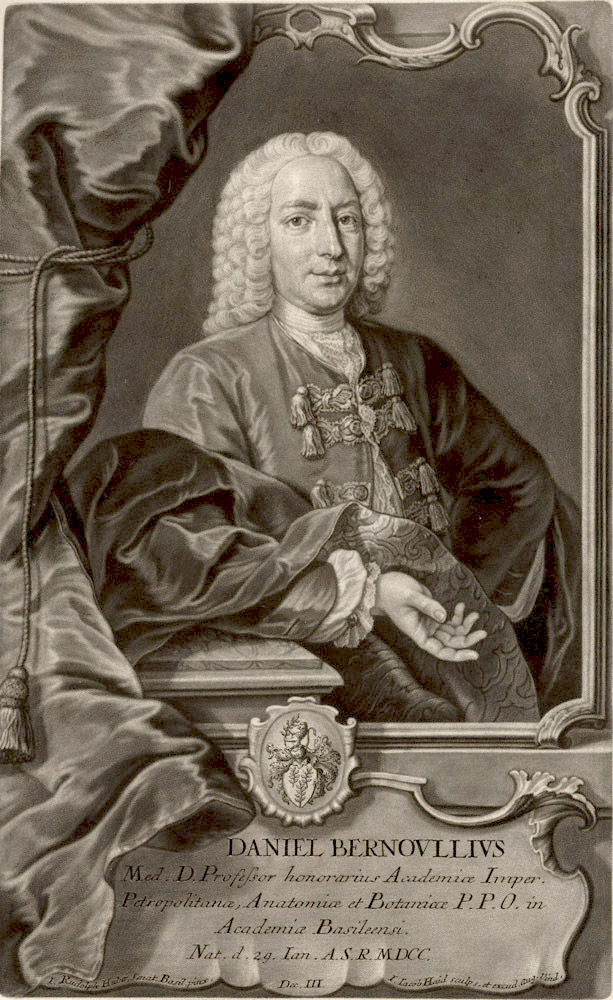
Others, including the mathematician Daniel Bernoulli and the physicist Émilie du Châtelet, sharpened these notions, with du Châtelet's work helping establish that the energy of motion depends on the square of an object's speed, a crucial correction that made the bookkeeping come out right.
In the nineteenth century, the study of heat and engines finally united these threads. Experiments showing that mechanical work could be converted into a definite amount of heat revealed that heat was itself a form of energy, allowing scientists to state the full law of conservation in its modern form.
The law has since been tested in countless experiments across every branch of physics, and no verified violation has ever been found. It is so reliable that physicists treat any apparent breach not as a flaw in the law, but as a sure sign that some hidden form of energy has yet to be accounted for. That is precisely how the elusive particle called the neutrino was first predicted.
Conservation of energy rules out perpetual motion machines, which is why patent offices reject them on sight. It guides the design of engines, power plants, and electronics, and it shapes our understanding of chemistry, biology, and cosmology.
Few ideas are so simple to state and so deeply woven into the entire structure of modern science. From the smallest particle interactions to the grand sweep of the cosmos, the energy books always balance.
