Climate change refers to the long term warming of the Earth and the shifts in weather patterns that come with it. That the planet is warming, and that human activity is the main cause, is established by overwhelming scientific evidence and is one of the defining challenges of our time.
Since the Industrial Revolution, the average temperature of the Earth's surface has risen significantly, and the rise has accelerated in recent decades. Each of the warmest years on record has occurred recently, and the trend is unmistakable: the planet as a whole is heating up, with profound consequences.

The warming is driven by greenhouse gases, chiefly carbon dioxide released by burning fossil fuels like coal, oil, and gas, which trap heat in the atmosphere. The basic physics, that these gases hold in warmth that would otherwise escape to space, has been understood for well over a century and is not in dispute.
The level of carbon dioxide in the atmosphere has risen sharply since industrialization, and its chemical signature shows it comes from burning fossil fuels. The timing, the amount, and the chemistry all point to human activity as the cause, distinguishing this warming clearly from the natural climate changes of the past.
The evidence is vast and consistent: thermometer records across the globe, shrinking glaciers and ice sheets, rising seas, warming and acidifying oceans, earlier springs, and shifting wildlife. Many independent lines of evidence, gathered by scientists worldwide, all point the same way, making climate change among the most thoroughly tested conclusions in science.
The world's climate scientists, whose findings are summarized by an international panel, overwhelmingly agree that the warming is real and human caused. This consensus rests not on opinion but on decades of accumulated research, repeatedly reviewed and tested, making it one of the strongest agreements in all of science.
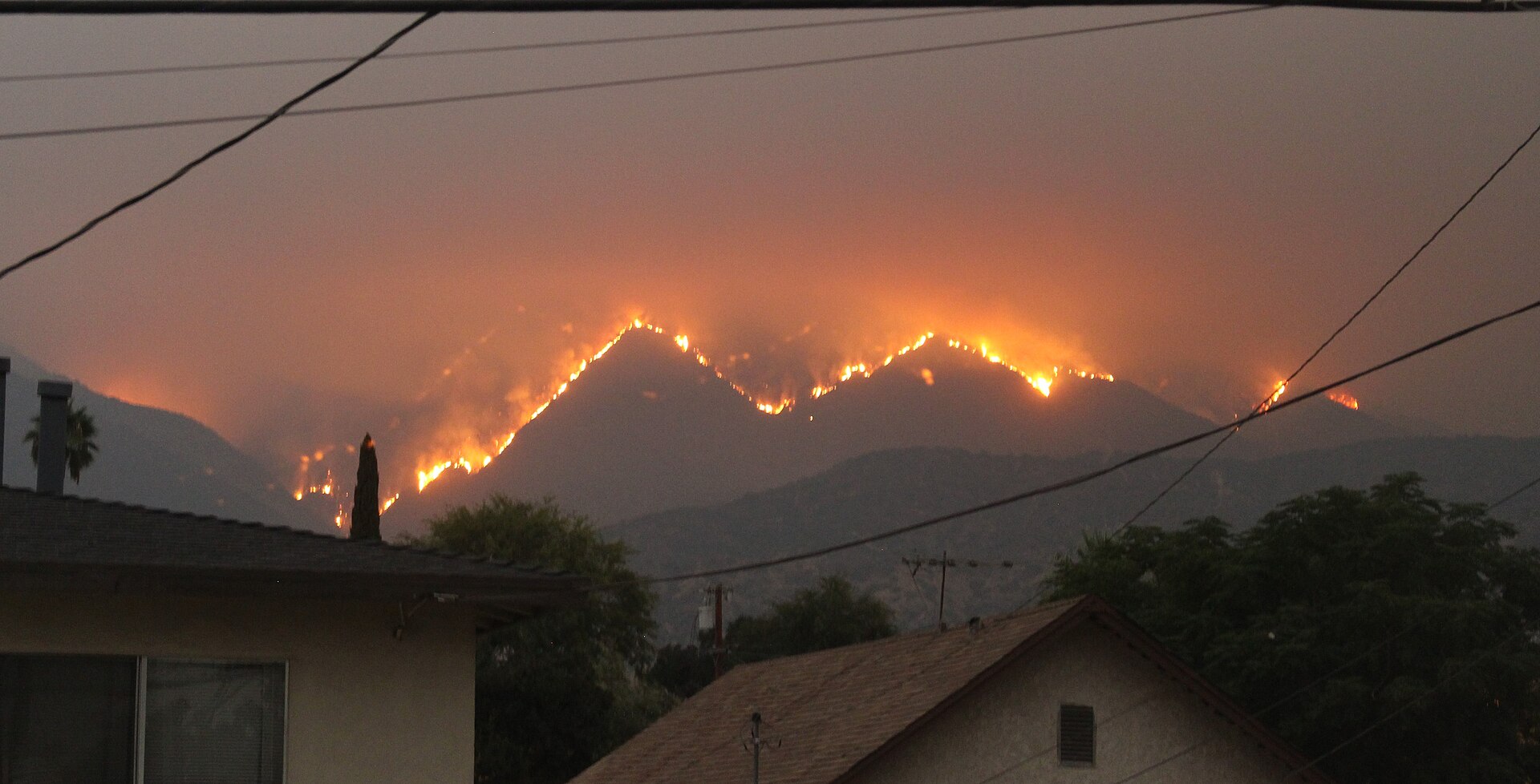
The effects of a warming world are already visible: more intense heatwaves, droughts, wildfires, and storms, rising seas threatening coasts and islands, and growing stress on ecosystems, agriculture, and water supplies. These impacts are projected to grow more severe as warming continues, affecting people everywhere.
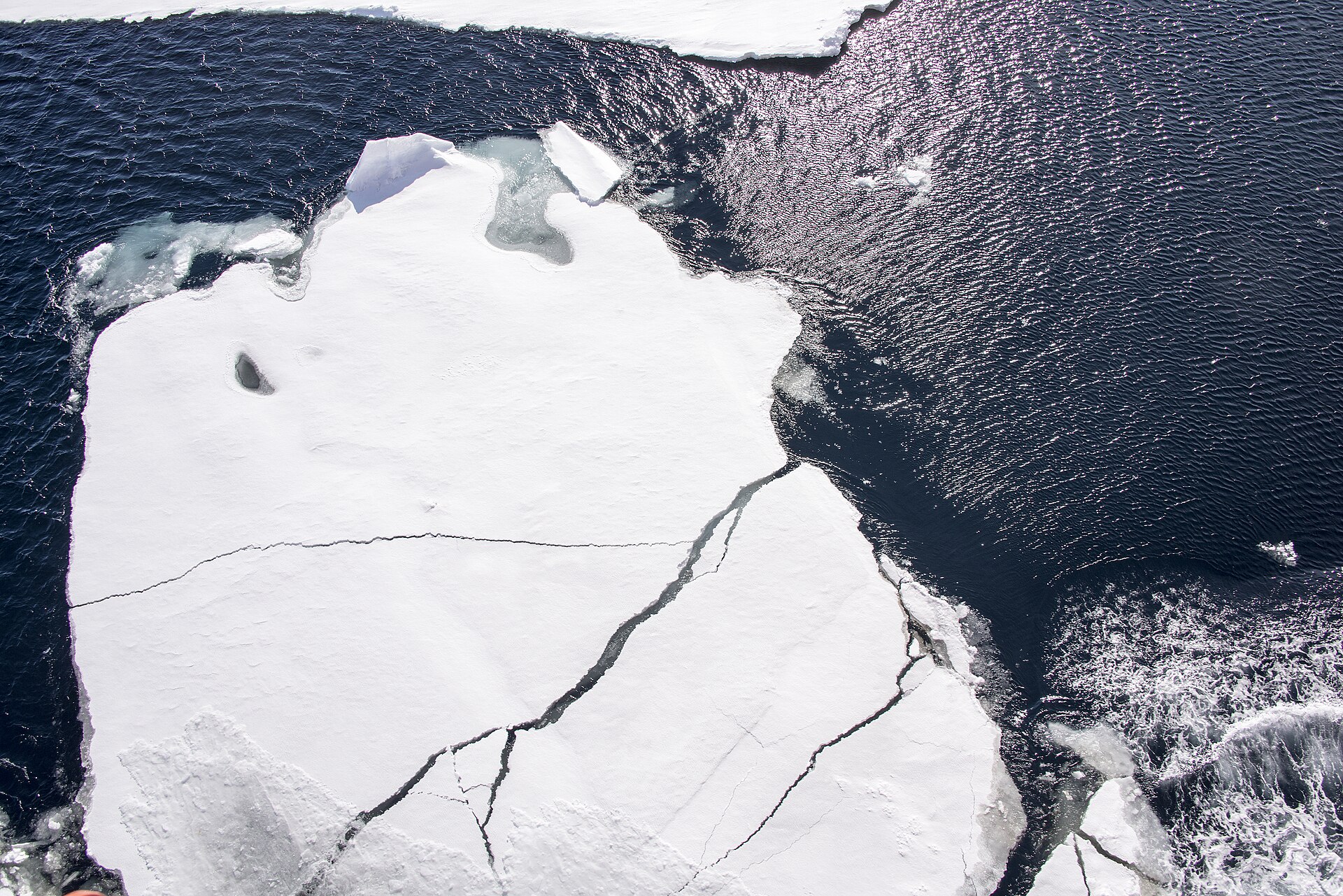
Scientists warn of dangerous feedbacks that could accelerate warming, such as melting ice exposing dark ocean that absorbs more heat, or thawing permafrost releasing trapped greenhouse gases. There is concern that beyond certain thresholds, or tipping points, some changes could become rapid and hard to reverse.
Limiting the damage requires cutting greenhouse gas emissions, chiefly by shifting from fossil fuels to clean energy, and adapting to the changes already underway. How quickly and how far the world acts will shape the climate, and the lives of billions, for generations to come, making it one of the great challenges of the age.
