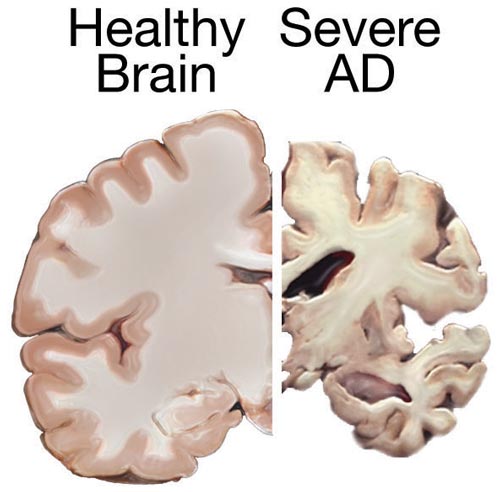
Alzheimer's disease is the most common cause of dementia, slowly destroying memory and thinking. That it damages the brain is clear, but what ultimately causes it, and how best to treat it, remain genuinely contested after decades of intensive research.
Alzheimer's gradually erodes memory, reasoning, and the ability to carry out everyday tasks, as brain cells are damaged and die and the brain physically shrinks. It usually begins with forgetfulness and progresses, over years, to a profound loss of mind and independence. It is one of the great medical challenges of an ageing world.
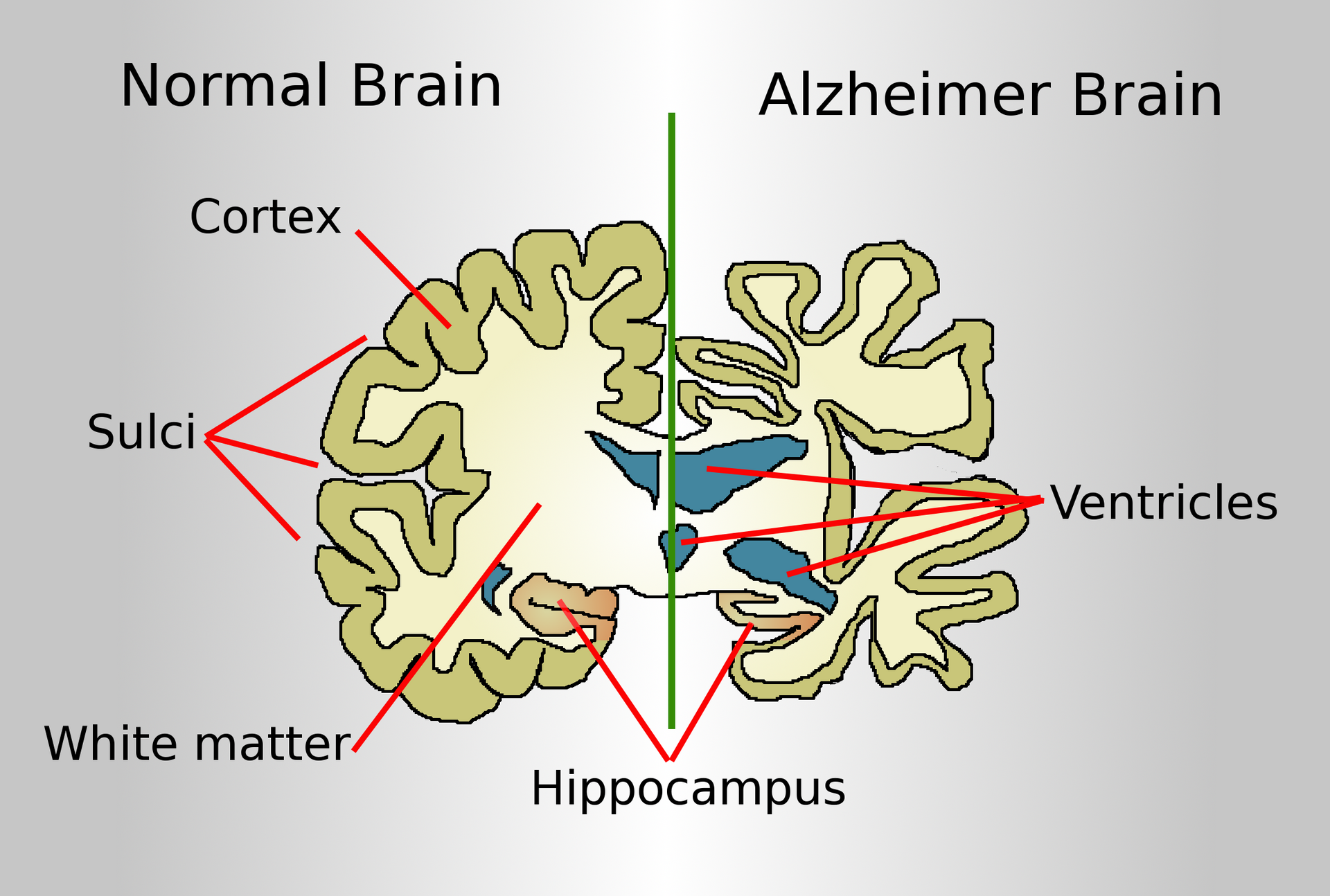
In the brains of patients, scientists find two characteristic features: sticky clumps of a protein called amyloid that build up between brain cells, and tangles of another protein, called tau, that form inside them. These plaques and tangles are the hallmarks of the disease, but their exact role has proven hard to untangle.
The central difficulty is telling cause from effect. The plaques and tangles are clearly associated with the disease, but it is fiercely debated whether they are what triggers the damage, or merely a side effect or even a defence. Untangling this is the key to understanding and treating Alzheimer's.
For decades the leading idea has been the "amyloid hypothesis," which holds that the buildup of amyloid is the first step that sets the disease in motion, triggering the tangles, inflammation, and cell death that follow. This idea has guided most research and the design of many experimental drugs.
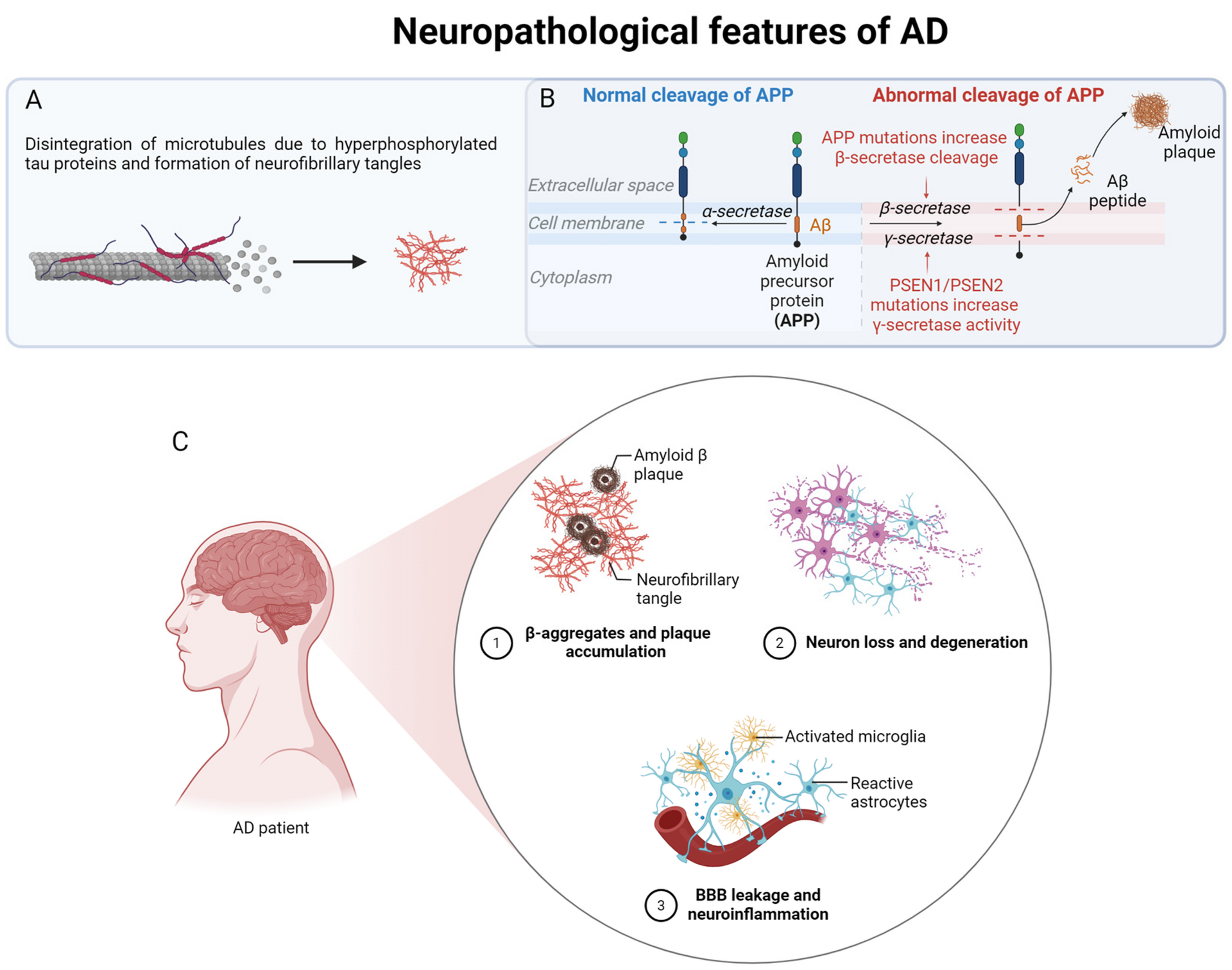
The amyloid hypothesis has been shaken by repeated failure. Most attempts to treat Alzheimer's by clearing amyloid from the brain have disappointed, doing little to slow the disease. These failures have fuelled fierce debate over whether amyloid is really the root cause, or whether the field has been chasing the wrong target.
Other researchers stress different culprits. Some focus on the tau tangles, arguing they track the damage more closely. Others point to chronic inflammation in the brain, to problems with its blood supply, or even to infections as possible triggers. The true cause may involve several of these acting together.
The picture is complicated because age, genetics, and lifestyle all influence the risk, and the disease begins to develop in the brain years, even decades, before symptoms appear. By the time memory falters, much damage is already done, making both cause and cure hard to pin down.
Recent drugs that clear amyloid have shown only modest benefits, keeping the debate alive over how central amyloid really is. With so much at stake and so many sufferers, the question is urgent. Pinning down the true cause, or causes, of Alzheimer's remains one of the most important open problems in medicine.
