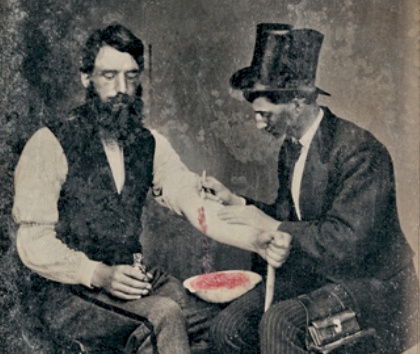
Bloodletting was the practice of deliberately draining blood from a patient to cure or prevent illness. For more than two thousand years it was one of the most common medical treatments in the world, applied to everyone from peasants to kings, and for most of that time it did far more harm than good.
Bloodletting grew out of the ancient theory of the four humors, which held that disease came from an imbalance of the body's fluids. Removing blood was thought to restore that balance and was prescribed for an enormous range of complaints, from fevers and headaches to madness.
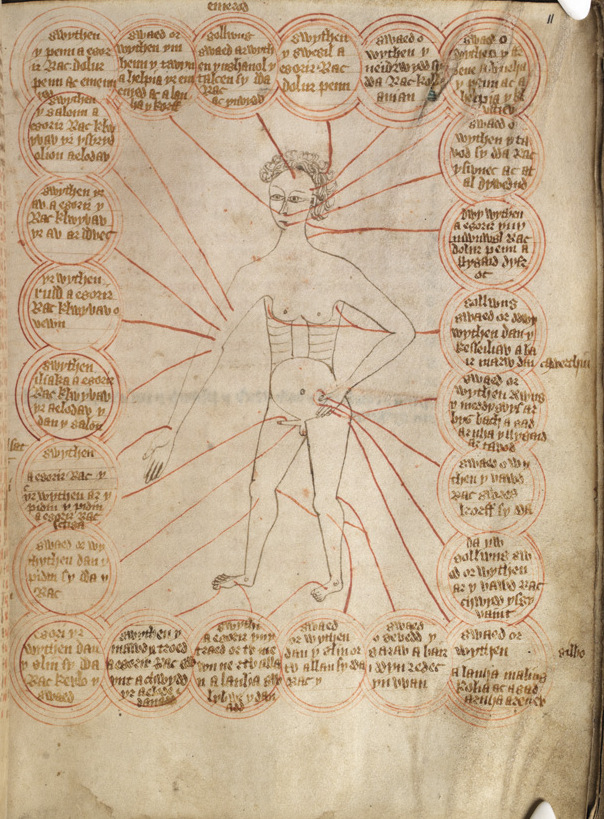
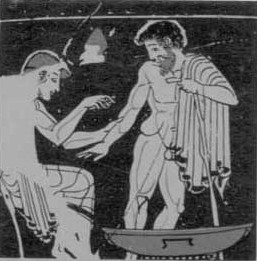
The practice stretched back to the ancient world and was remarkably persistent across cultures.
Doctors and barber surgeons opened veins with sharp instruments called lancets or applied live leeches, sometimes draining alarming quantities of blood in a single session. The familiar red and white striped barber's pole is itself a relic of the era when barbers also performed bloodletting.
There was never any good evidence that routine bloodletting helped, and abundant evidence that it weakened patients who were already ill. Draining blood from a sick person deprives the body of the very oxygen carrying cells it needs to fight illness and recover.
The dangers are captured in a famous case. The first United States president, George Washington, died in 1799 after being drained of a large fraction of his blood over the course of a single day, in a desperate attempt to treat a severe throat infection. The treatment almost certainly hastened his death rather than preventing it.
As medicine grew more rigorous in the nineteenth century and doctors began comparing the outcomes of treated and untreated patients systematically, the verdict became unmistakable. The practice harmed far more people than it healed, and it gradually fell out of use as evidence based medicine took hold.
Bloodletting as a general cure is firmly debunked, because the body simply does not work the way the humoral theory claimed. A narrow, evidence based version of the procedure survives today for a few specific conditions, such as certain disorders that cause a dangerous overload of iron in the blood. That careful, targeted use is a world away from the centuries of bleeding patients for almost any ailment.
