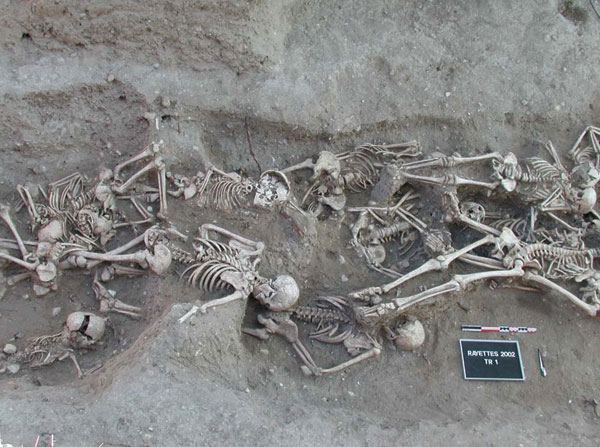
The Black Death was a devastating plague that swept through Europe, Asia, and North Africa in the mid 1300s, killing tens of millions of people. One of the deadliest pandemics in human history, it transformed the societies it struck.
The Black Death was a catastrophe almost beyond imagining. Arriving in Europe around 1347, the plague spread with terrifying speed across the continent, and within just a few years it killed perhaps a third to half of the entire population. No disaster before or since has carried off so large a share of the people so quickly.
The disease struck swiftly and horribly. The sick developed fever, agonizing swellings, and dark blotches on the skin, from which the plague took its name, and many died within days. The suffering was dreadful, and the dead were so numerous that they were buried hastily in great pits, beyond the reach of normal rites.
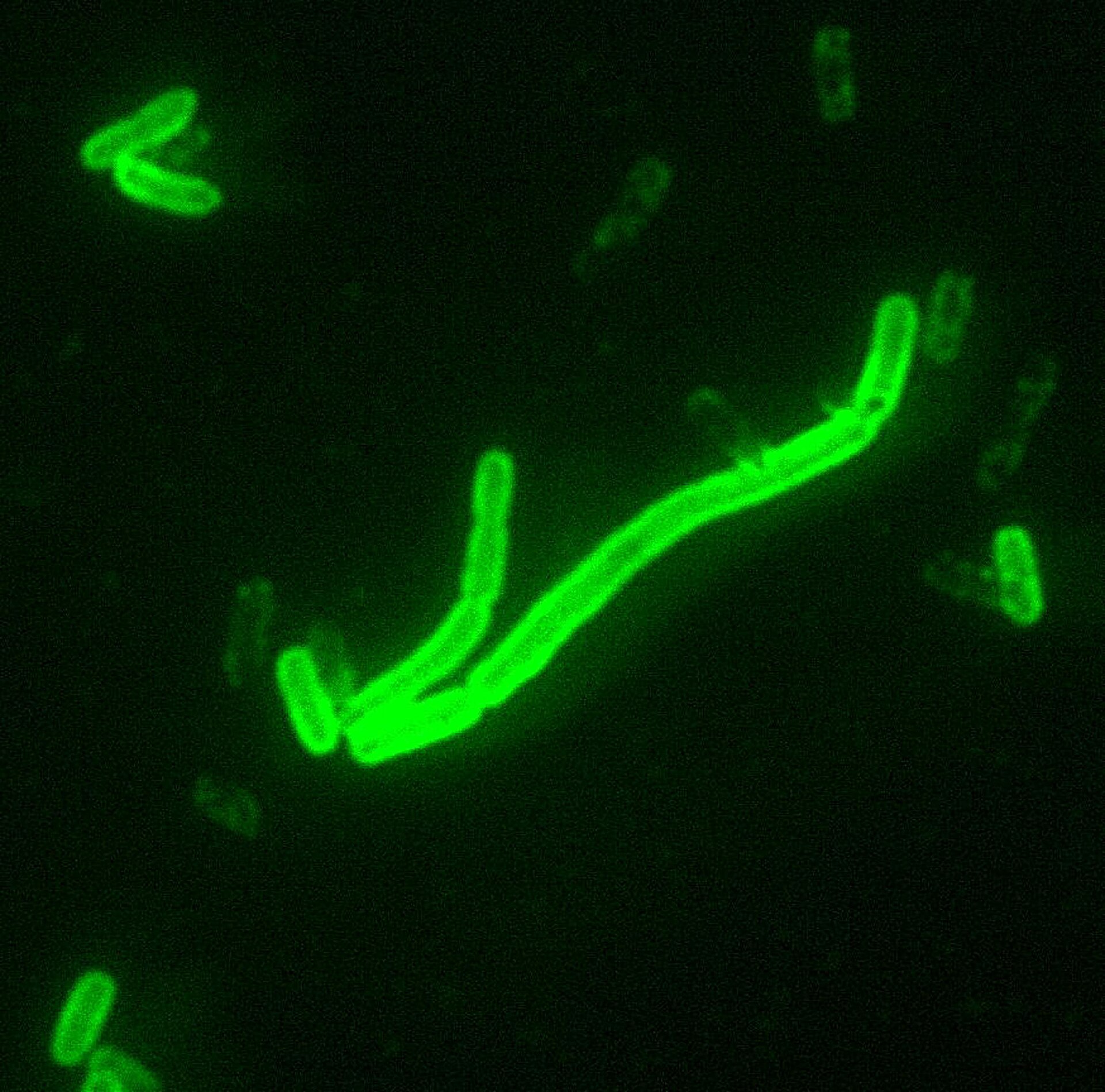
The Black Death was caused by a bacterium, Yersinia pestis, though the people of the time had no idea what was killing them. Lacking any knowledge of germs, they blamed bad air, divine punishment, or human enemies. The true microscopic culprit would not be identified for another five centuries.
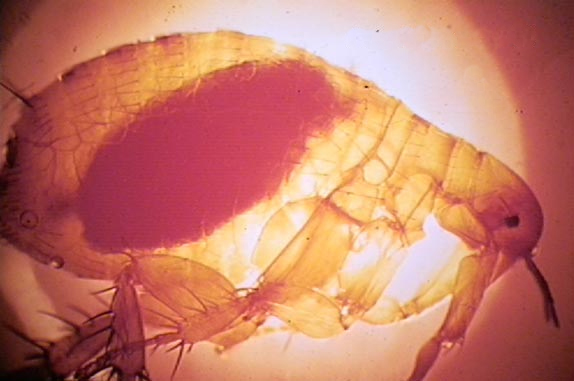
The plague was spread largely by fleas living on black rats, which travelled along trade routes by land and sea, carrying the disease from place to place. From the rats and their fleas it passed to humans, and in some forms it could spread directly from person to person, allowing it to race across a connected world.
With no understanding of how the disease spread and no effective treatment, communities were nearly helpless against it. People fled, prayed, and tried desperate remedies, but nothing worked. The sense of helplessness in the face of mass death cast a long shadow over the survivors and their view of the world.
In their terror and incomprehension, people sought scapegoats. The plague spurred waves of persecution, including horrific attacks on Jewish communities falsely blamed for the disease. The catastrophe brought out both the cruelty and the desperation of a society confronting a calamity it could not understand.
The sudden, massive loss of life shook the economy and the social order to their foundations. With so many dead, surviving workers found themselves in demand and gained new bargaining power, weakening old bonds of servitude. The disaster shook faith, spurred change, and even prompted advances in medicine and public health.
The Black Death stands as one of the great turning points in history and a stark reminder of how disease can reshape civilization. Its memory, and the study of how it spread and what it changed, continue to inform how the world understands and prepares for pandemics to this day.
