The bending of starlight is the deflection of light by gravity, predicted by Einstein's general theory of relativity and confirmed during a solar eclipse in 1919. The result made Einstein world famous overnight and proved that gravity bends light.
Einstein's general theory of relativity describes gravity not as a pulling force but as the curving of space and time around mass. A startling consequence is that light, though it has no weight, must follow this curved space, so its path bends as it passes near a massive object like the Sun.
Einstein's theory predicted exactly how much starlight should bend as it grazed the Sun. Crucially, it predicted twice the deflection that Newton's older theory of gravity allowed. This difference offered a clear, decisive test: measure the bending, and see which theory the universe obeyed.
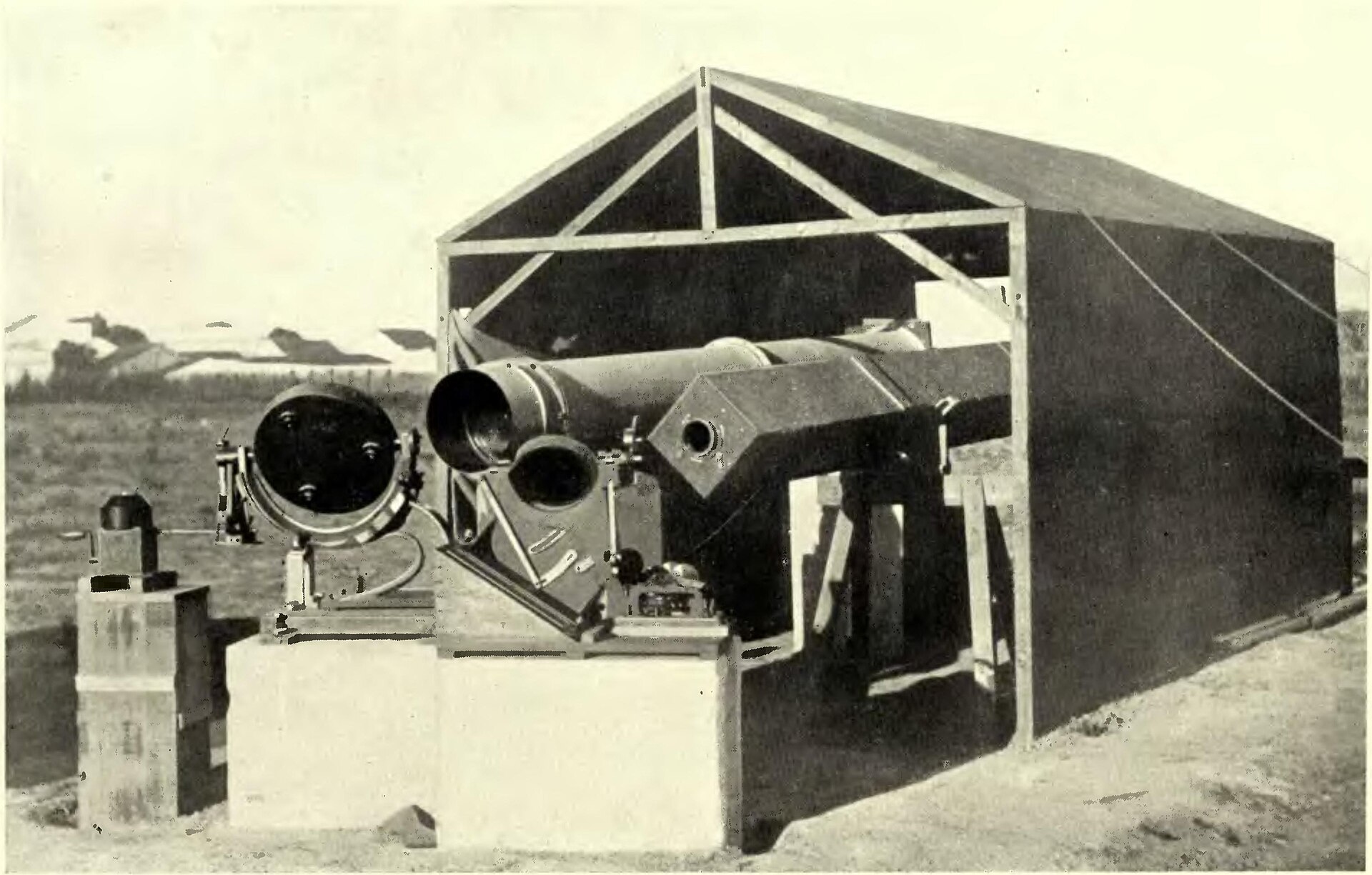
To see stars whose light passes close to the Sun, astronomers had to observe them when the Sun's overwhelming glare was blocked. Only during a total solar eclipse, when the Moon covers the Sun, could the faint stars near it be photographed and their apparent positions measured.
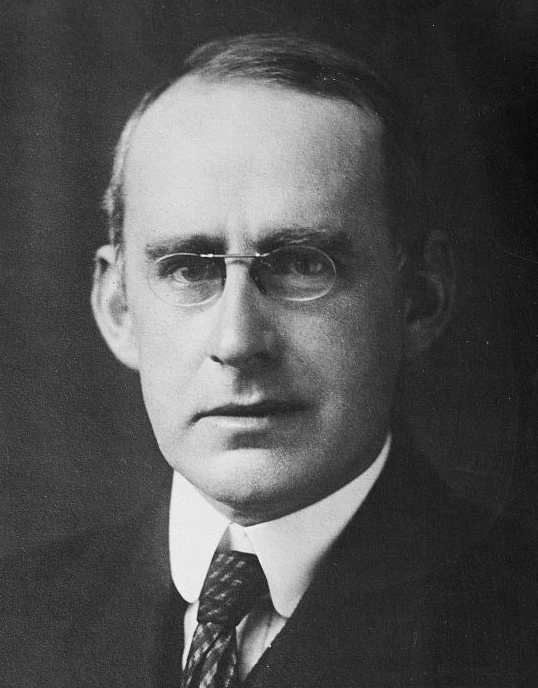
In 1919, expeditions led by the British astronomer Arthur Eddington travelled to observe a total eclipse, photographing the stars near the darkened Sun. Comparing their apparent positions with their true ones revealed that the starlight had indeed been shifted, by just the amount Einstein had predicted, twice Newton's value.
The result confirmed general relativity and overthrew Newton's long unquestioned picture of gravity, at least in the realm of strong gravity and high precision. It was a profound shift: the universe behaved as Einstein's strange new theory said it must, with space and time themselves bending around mass.
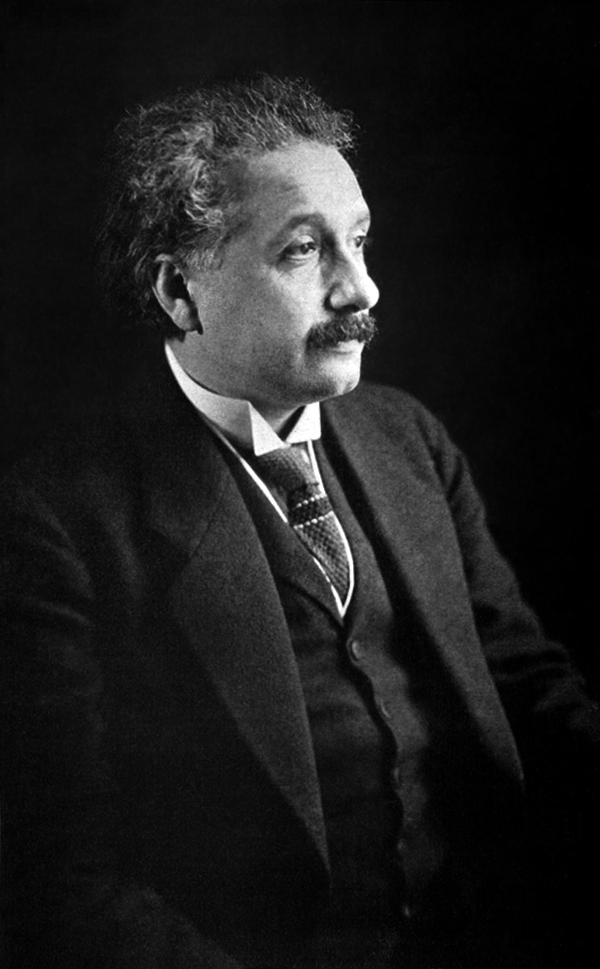
The announcement of the result made headlines around the world and turned Einstein, almost overnight, into a global celebrity, the very image of genius. That a quiet measurement of starlight could topple Newton and crown a new theory captured the public imagination as few scientific events ever have.
The bending of light has since been confirmed again and again, with ever greater precision, using not just eclipses but radio waves from distant sources passing near the Sun. Each test agrees with Einstein, making the bending of light one of the best confirmed predictions in all of physics.
What was once a delicate test of theory is now a routine tool. Astronomers use the bending of light by massive galaxies, called gravitational lensing, to study distant objects and weigh unseen matter. A proven prediction has become a window onto the universe, a pillar of modern physics.
