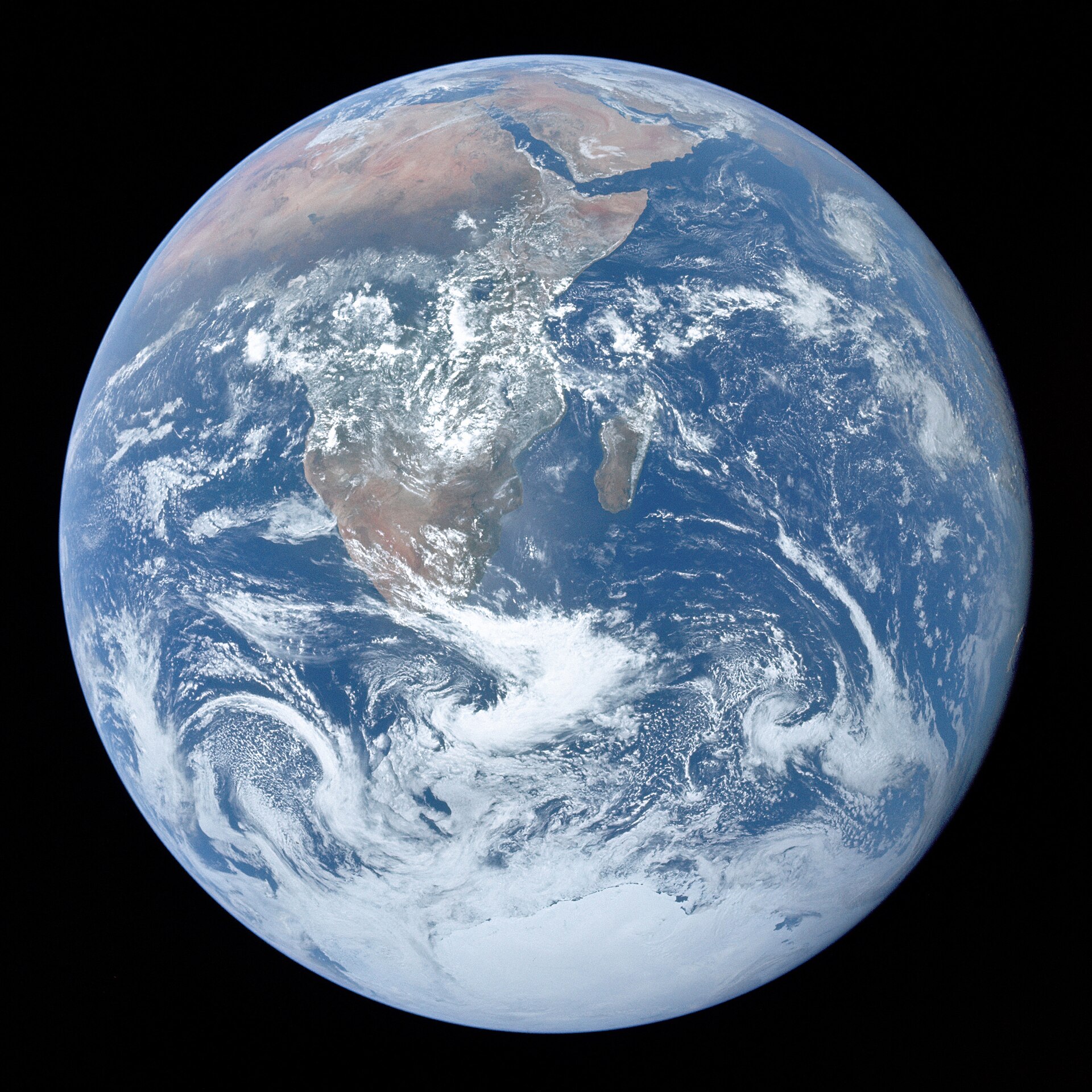
The Earth is about 4.54 billion years old. This figure, once fiercely debated, is now established with great precision through the radioactive dating of rocks, and it is one of the firmest numbers in all of science.
A span of four and a half billion years is almost impossible to truly grasp. If Earth's whole history were compressed into a single day, complex animals would appear only in the last hour, and all of recorded human history would occupy the final fraction of a second. The Earth is unimaginably old.

The Earth formed along with the rest of the Solar System from a vast cloud of gas and dust that collapsed and gathered around the young Sun. Dust grains stuck together into ever larger bodies, which crashed and merged until the planets, including our own, took shape in a relatively short burst of cosmic time.
For most of history people had little idea of Earth's true age. Religious traditions suggested a young Earth of a few thousand years, while early geologists, seeing how slowly rocks form and erode, suspected it was vastly older. As recently as the 1800s, estimates ranged wildly from thousands to a few million years.
In the nineteenth century the great physicist Lord Kelvin tried to calculate the Earth's age from how long it would take to cool from a molten state, arriving at a figure far too low. His error, it turned out, was that he did not know about a hidden source of heat inside the Earth: radioactivity.
The breakthrough came with radiometric dating, which relies on the steady, clock like decay of radioactive elements. Certain atoms in rocks decay into other atoms at a known, constant rate. By measuring the proportions of parent and daughter atoms, scientists can calculate exactly how long ago the rock formed.
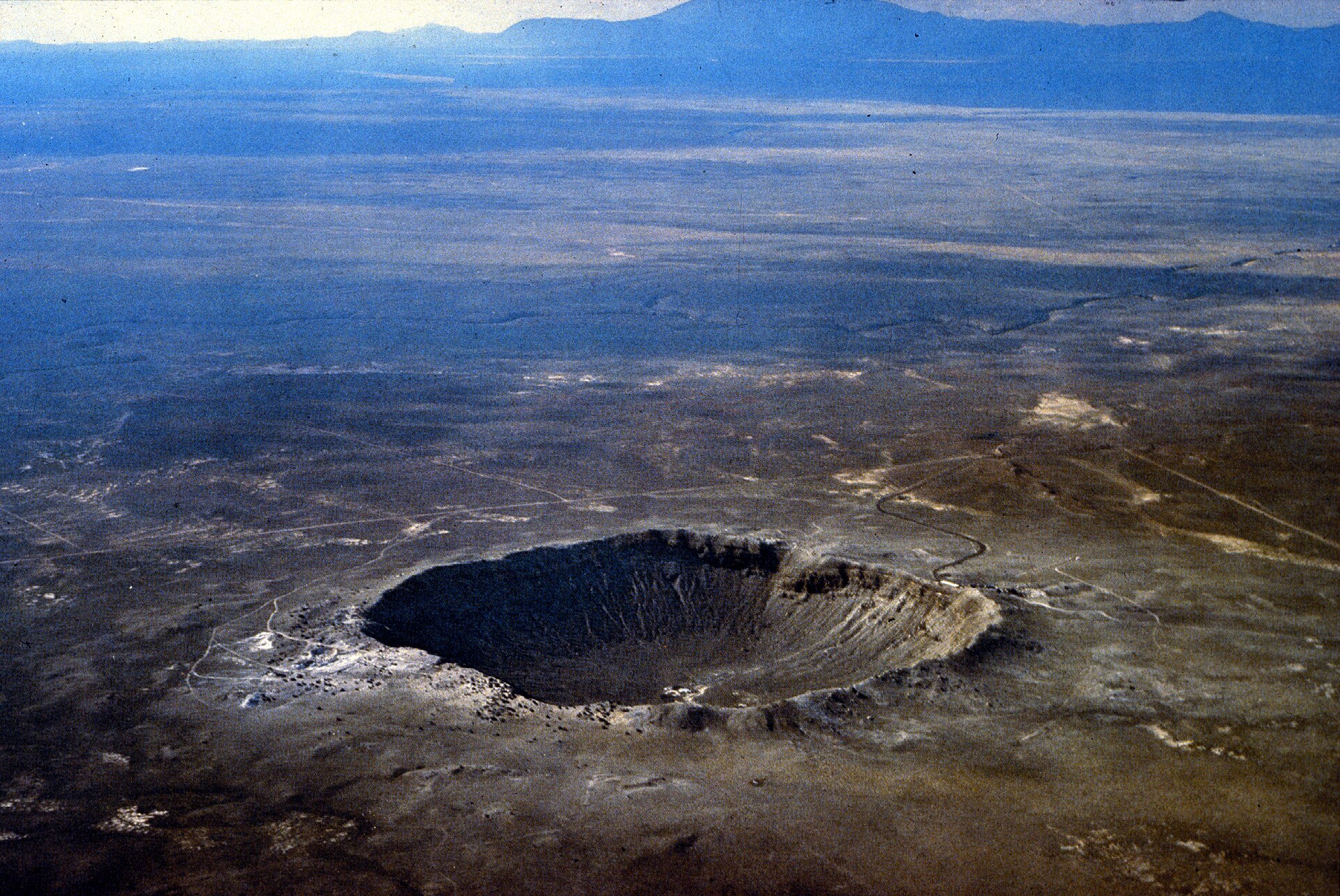
The strength of the figure lies in independent confirmation. Different radioactive elements, decaying at vastly different rates, are used as separate clocks, and they agree. Applied to the oldest Earth rocks, to Moon rocks, and to meteorites left over from the Solar System's birth, all the methods converge on the same answer.
Because Earth's own surface is constantly recycled by erosion and the movement of its plates, its very oldest rocks have mostly been destroyed. So the age of the whole Solar System, and thus of Earth, is pinned down using meteorites, ancient leftovers that have not been reworked, which date to 4.54 billion years.
What was once guesswork is now one of the most secure measurements in science. The figure of 4.54 billion years is confirmed by multiple independent lines of evidence and is no longer in serious doubt, a triumph of careful measurement that opened up the vast vista of deep time.
