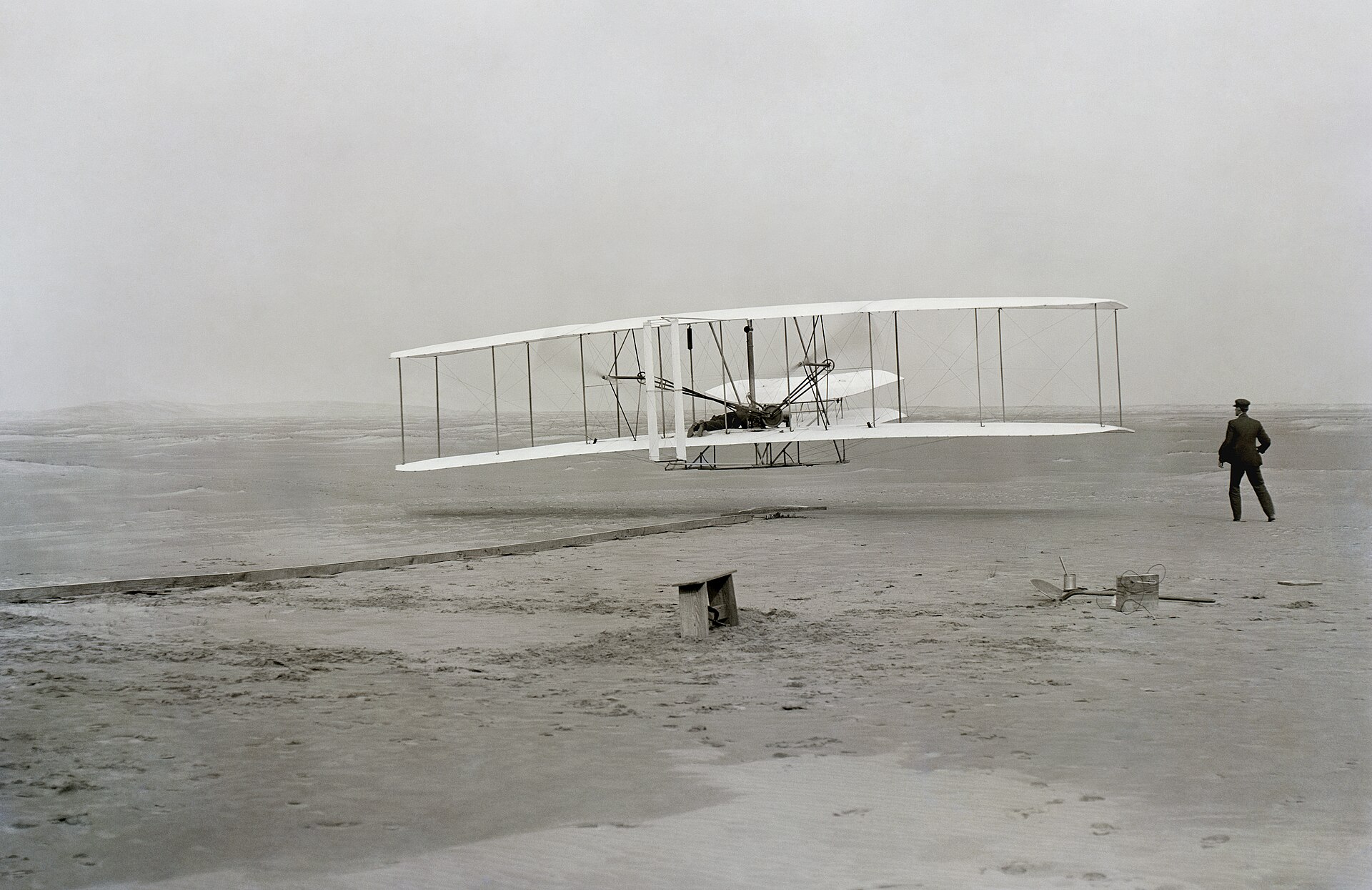
On 17 December 1903, near Kitty Hawk, North Carolina, the brothers Orville and Wilbur Wright achieved the first sustained, controlled flight of a powered, heavier than air aircraft. In a few seconds over the sand, they opened the age of aviation.
Orville and Wilbur Wright were not trained scientists but self taught engineers who ran a bicycle shop in Dayton, Ohio. Their practical, hands on experience with light, strong structures and with balance and control served them well, and they brought to the problem of flight a careful, methodical, experimental mind.
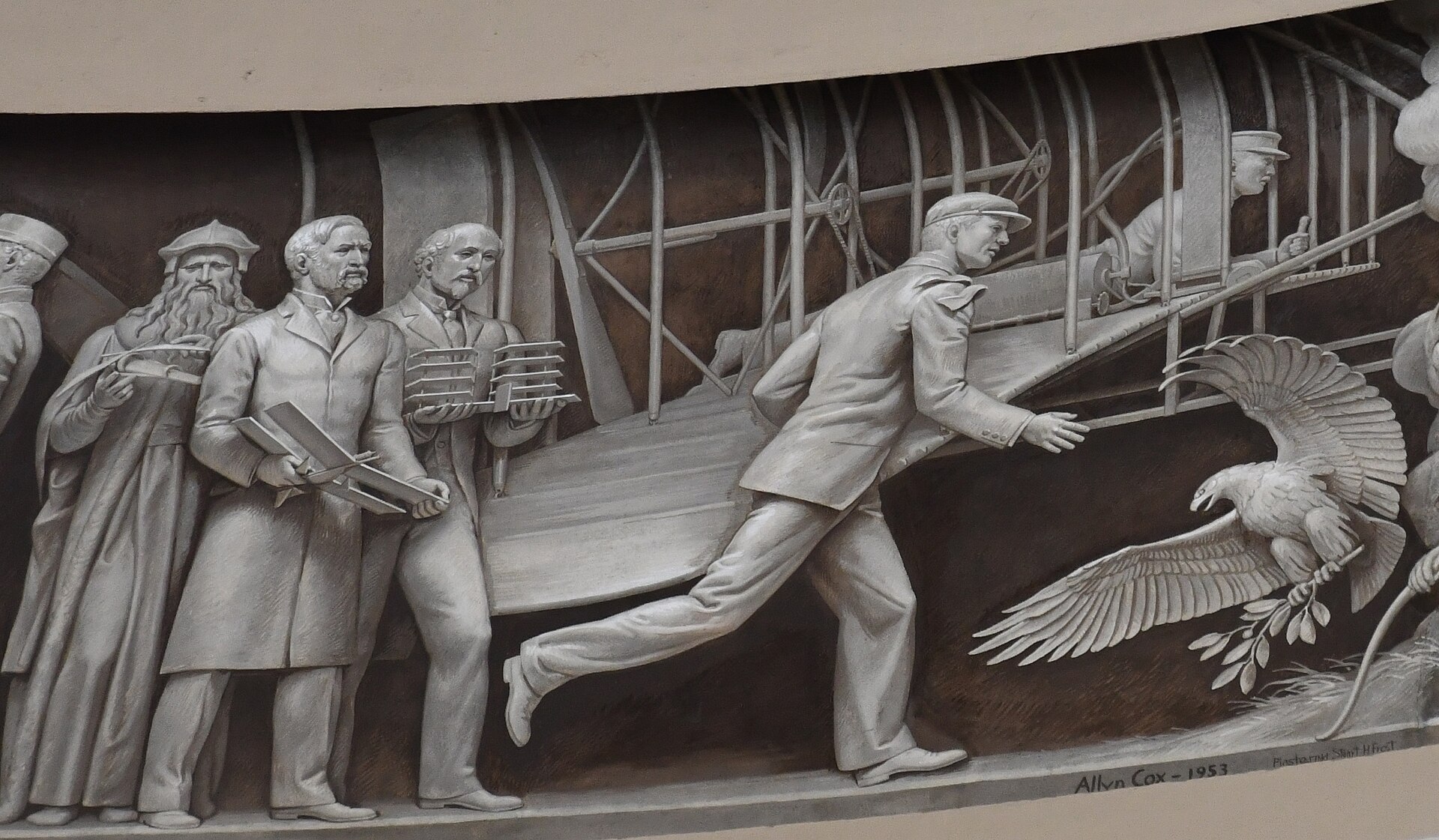
Others had built engines and wings, but the Wrights saw that the harder problem was control. A pilot needed to steer and balance the craft in the air, in three dimensions, or it would simply tumble. While rivals chased power, the Wrights focused on mastering control, the true key to flight.
Before attempting powered flight, the brothers spent years experimenting with kites and gliders, teaching themselves to control a craft in the air. They invented a method of twisting the wings, called wing warping, to roll and turn, the principle behind the ailerons on every aircraft since.
When existing data on wings proved unreliable, the Wrights built their own small wind tunnel and tested hundreds of wing shapes, gathering accurate figures on lift and drag. This patient, scientific work, more than any flash of genius, was what set them apart and made success possible.
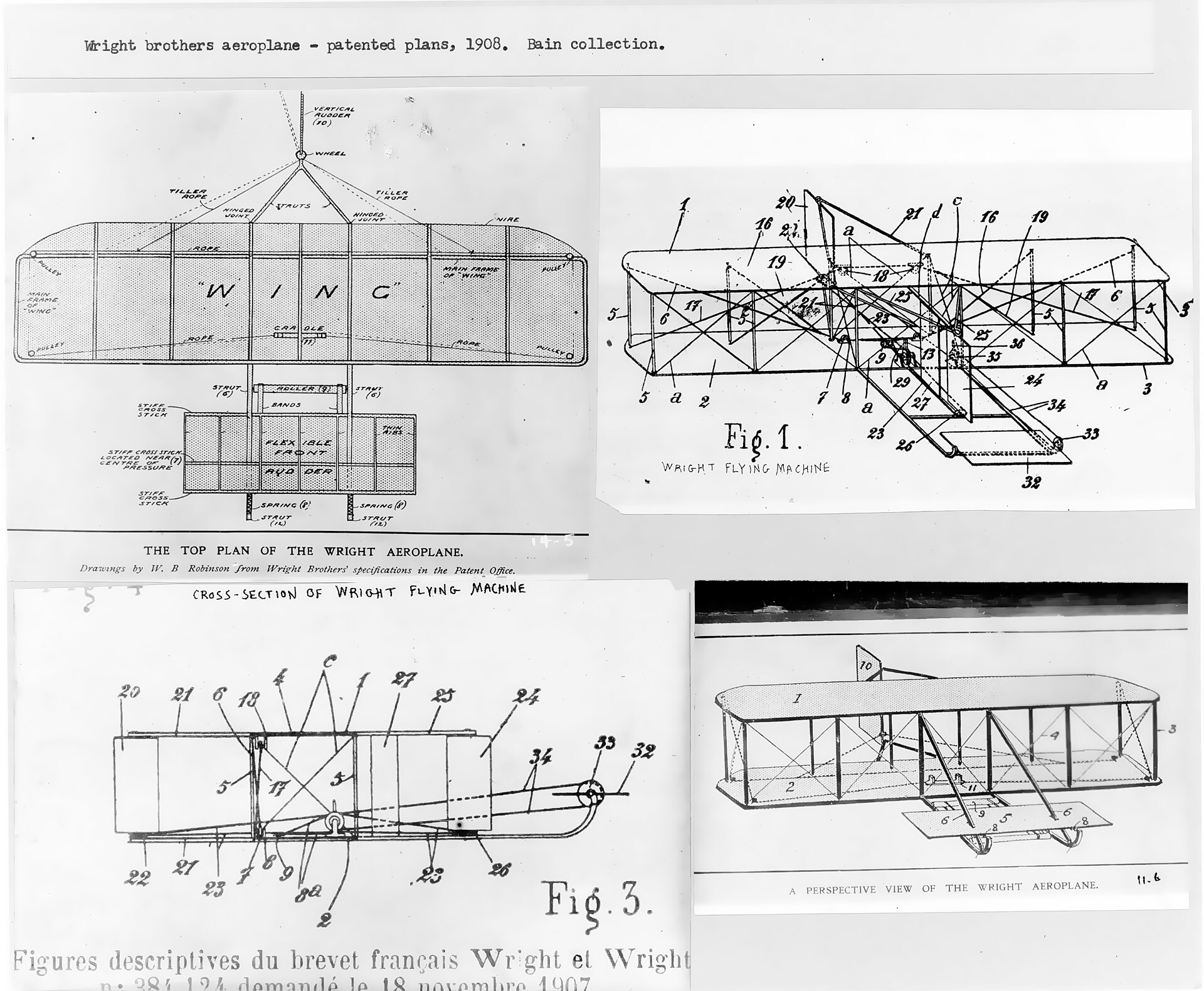
Having mastered control, the Wrights built a powered machine, the Wright Flyer, a fragile biplane of wood, fabric, and wire. They even designed and built its lightweight engine and its propellers themselves, working out the science of the propeller almost from scratch when no good guidance existed.
On that December morning, with Orville at the controls and Wilbur running alongside, the Flyer lifted off. That first flight lasted just twelve seconds and covered about 36 metres, but it proved that powered human flight was possible. Three more flights followed that day, the longest covering 260 metres.
At first the world barely noticed, and many doubted the claim. The Wrights kept improving their machines, and only after public demonstrations a few years later did their achievement win full recognition. By then they had built aircraft that could circle, turn, and stay aloft for long periods.
The Wrights' breakthrough transformed the world with astonishing speed. Within a single lifetime, aircraft went from a twelve second hop to airliners, jets, and spacecraft. Flight reshaped travel, commerce, and warfare, and shrank the globe. From a windswept beach and a homemade machine, the brothers had launched one of the defining technologies of the modern age.
