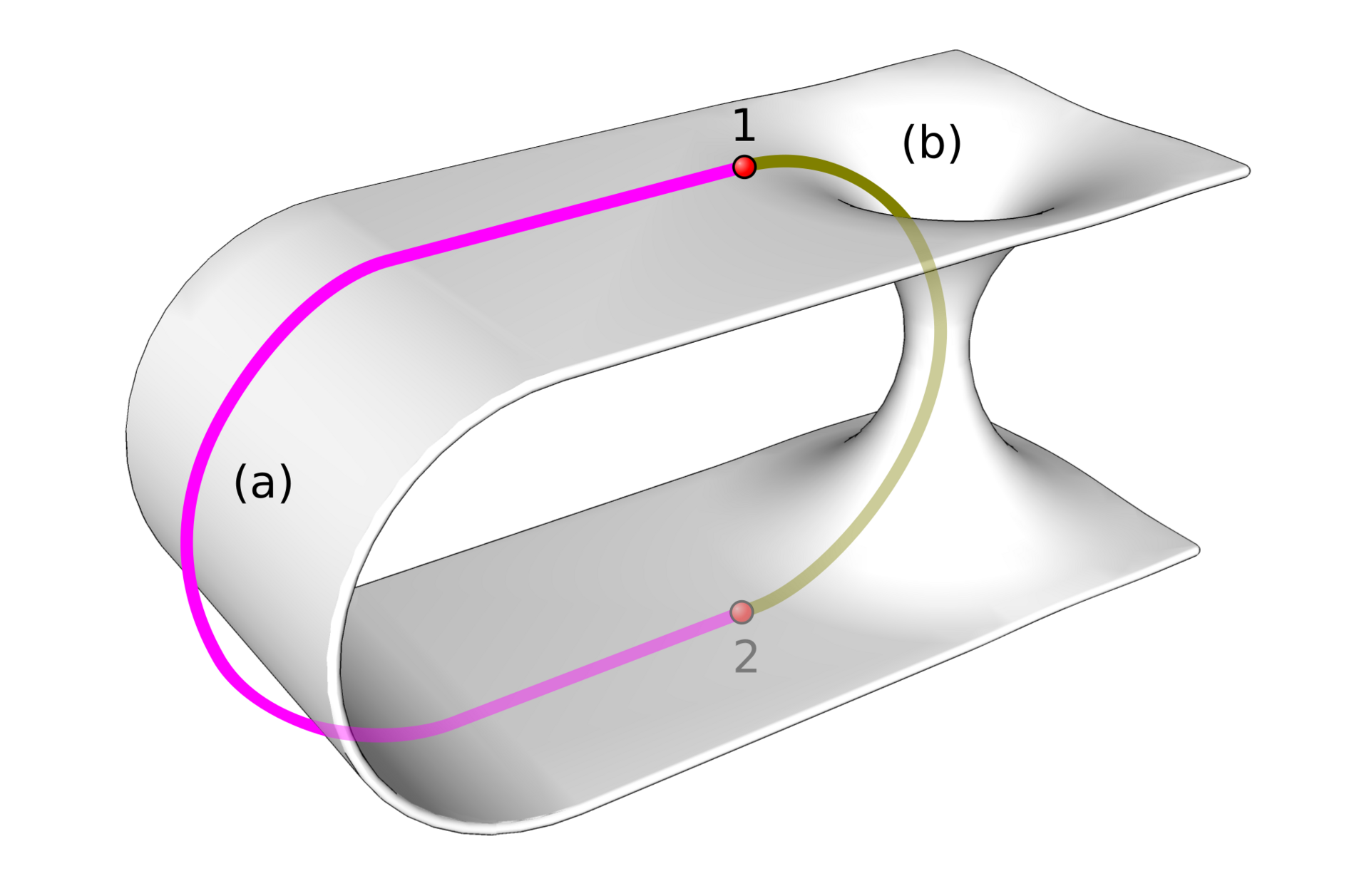
A wormhole is a hypothetical tunnel through spacetime that could, in principle, connect two distant points in the universe, or even two different universes, by a shortcut far shorter than the ordinary path between them. Wormholes are a genuine prediction of the mathematics of physics, but none has ever been observed.
Wormholes emerge from Albert Einstein's general theory of relativity, our best description of gravity, space, and time. The theory treats space and time as a flexible fabric that can be curved and connected in unexpected ways, and its equations allow, on paper, for bridges that join separated regions of that fabric.
The concept was explored in the 1930s by Einstein and his colleague Nathan Rosen, and such structures are sometimes called Einstein Rosen bridges in their honor. They found that the same mathematics that describes a black hole could be extended to describe a throat connecting it to another region of spacetime.
The trouble is that the simplest wormholes allowed by the equations would be deadly and useless. They would pinch shut almost instantly, faster than anything could cross, and would crush whatever tried to pass through. A natural wormhole, if one ever formed, would be a fleeting and lethal thing rather than a convenient doorway.
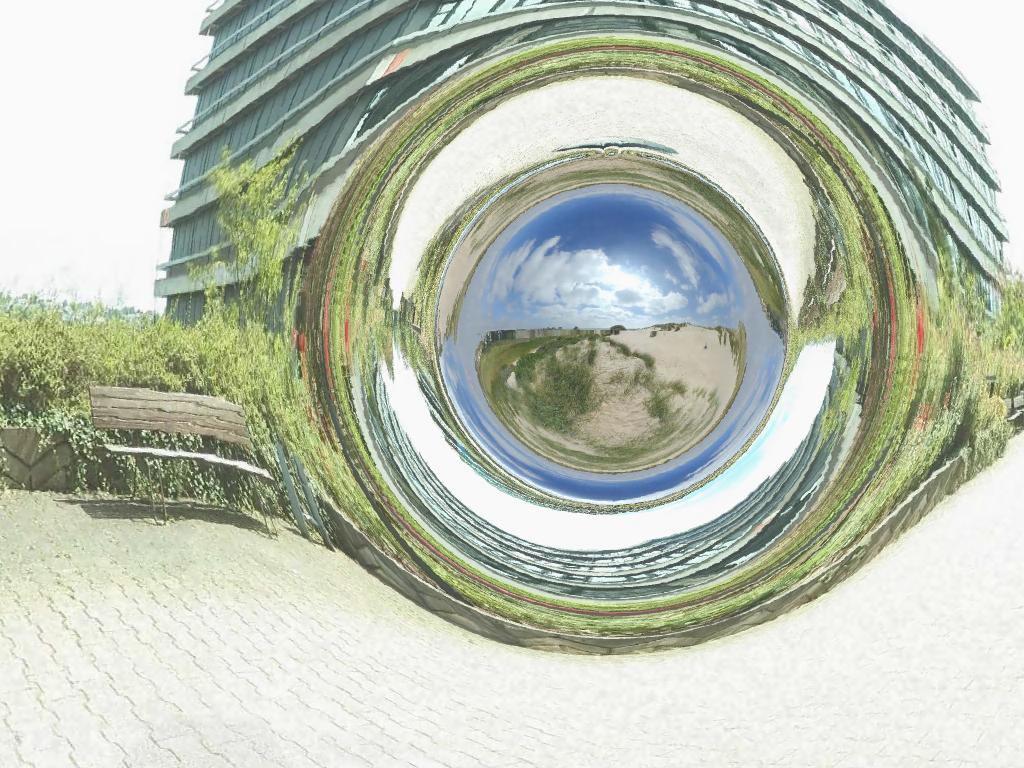
To hold a wormhole open long enough to travel through, physicists calculate that one would need a strange form of matter with negative energy, sometimes called exotic matter, which would push outward against the collapse. Whether such matter can exist in the required amounts, or at all, is unknown. Tiny negative energy effects are seen in the laboratory, but nothing remotely on the scale a wormhole would demand.
Because of their dramatic implications, wormholes appear constantly in discussions of time travel and faster than light travel, and they are a favorite device in science fiction, offering instant passage across the galaxy. This popularity has helped make them one of the most recognizable ideas in modern physics.
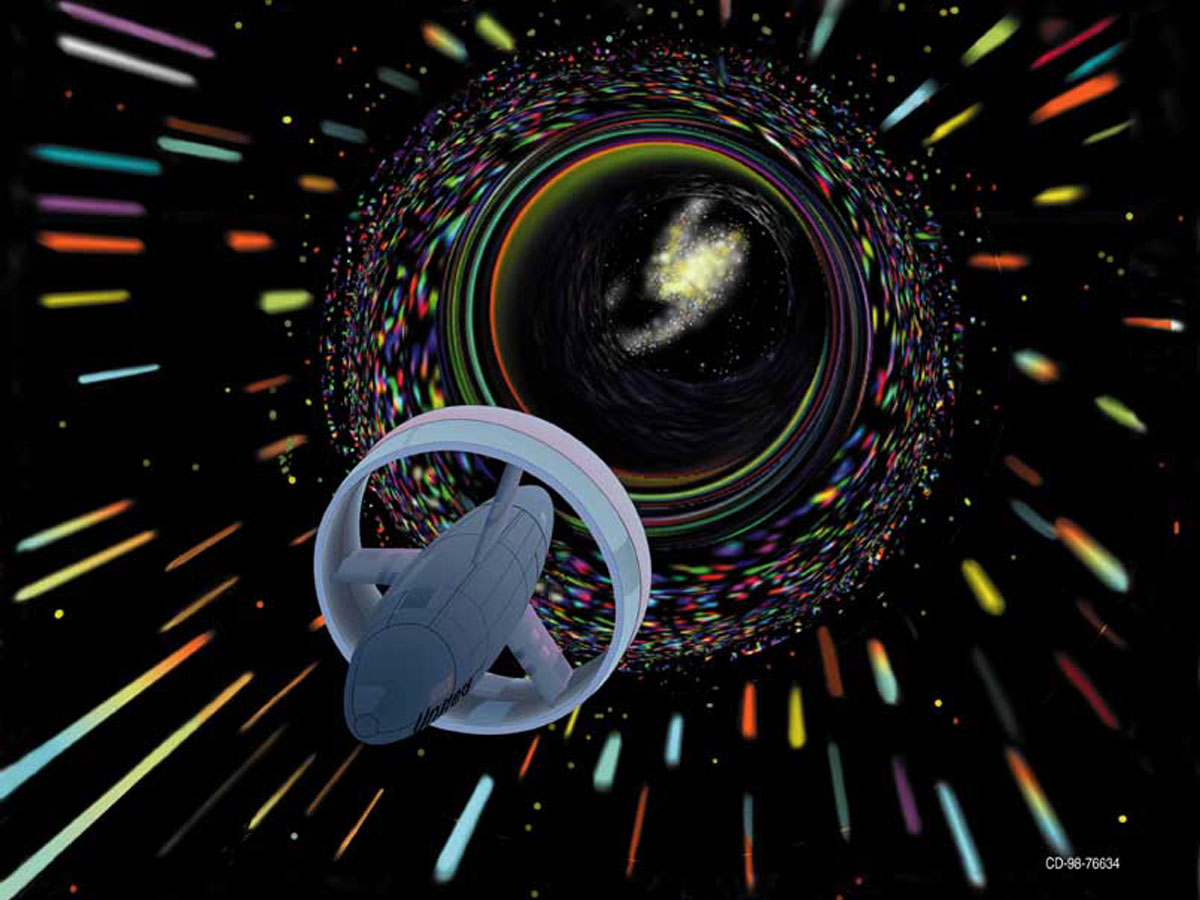
Wormholes are a serious subject of theoretical research, studied for what they reveal about gravity and the structure of spacetime. But they remain entirely hypothetical. No wormhole has ever been detected, no exotic matter has been shown to exist in the needed form, and whether nature actually permits them is unknown. They are a striking example of an idea that lives, for now, purely in the mathematics.
