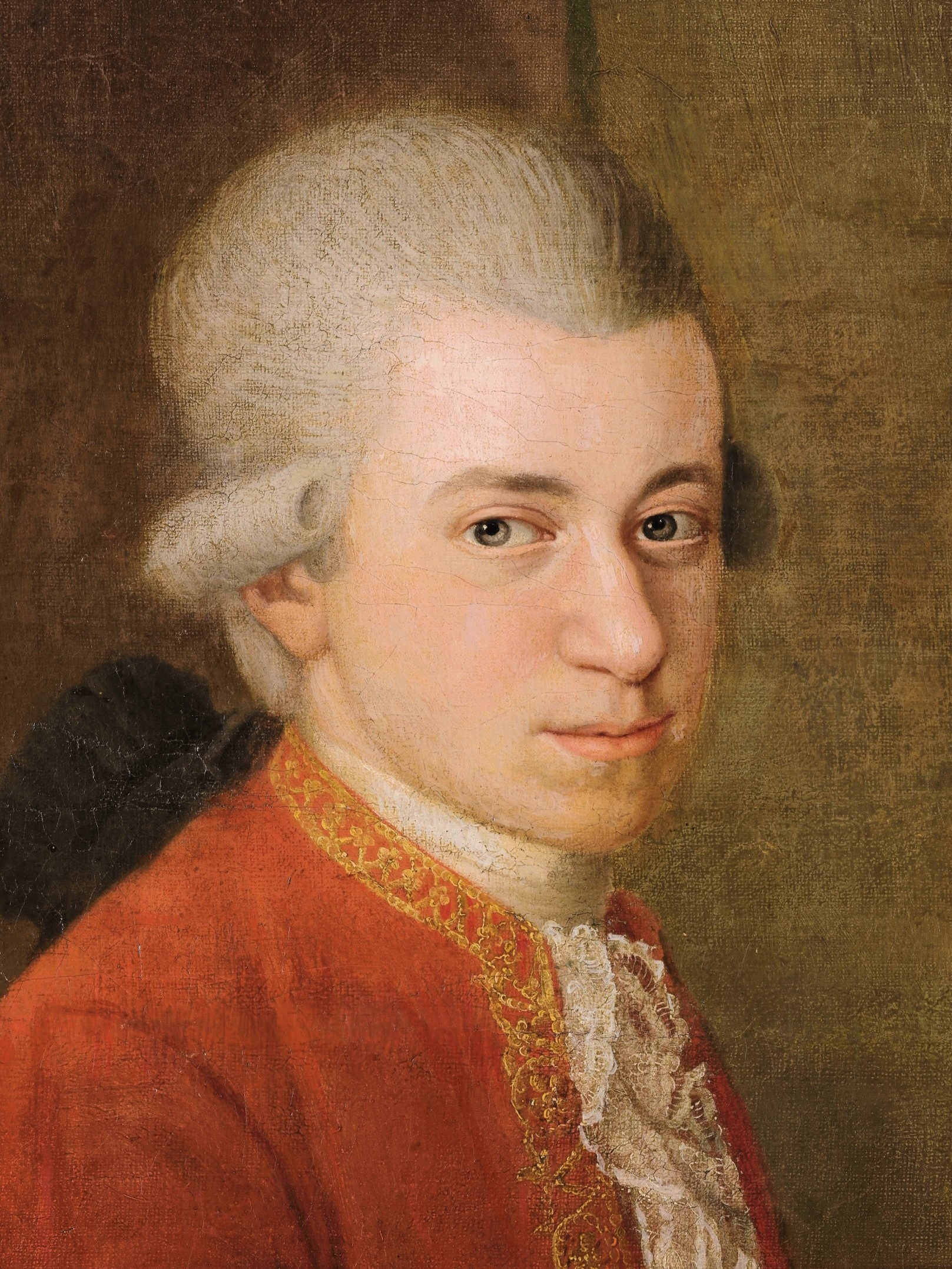
Wolfgang Amadeus Mozart (1756 to 1791) was an Austrian composer regarded as one of the greatest musical geniuses in history. A child prodigy who matured into a master of every musical form of his day, he composed an enormous body of beloved work in a short life.
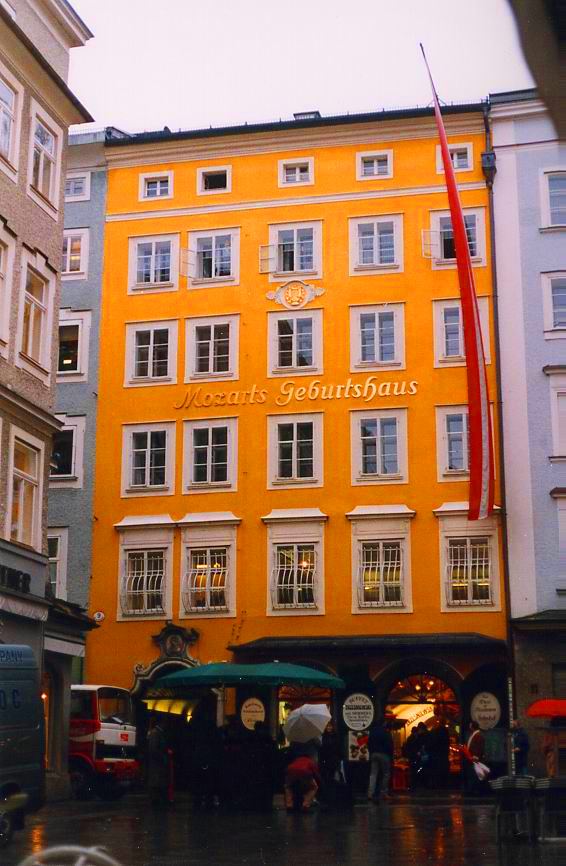
Born in Salzburg, Mozart showed extraordinary talent as a tiny child, playing the keyboard and composing by the age of five. His gift was so far beyond the ordinary that it astonished everyone who encountered it, and it remains one of the most remarkable cases of early genius in all of history.
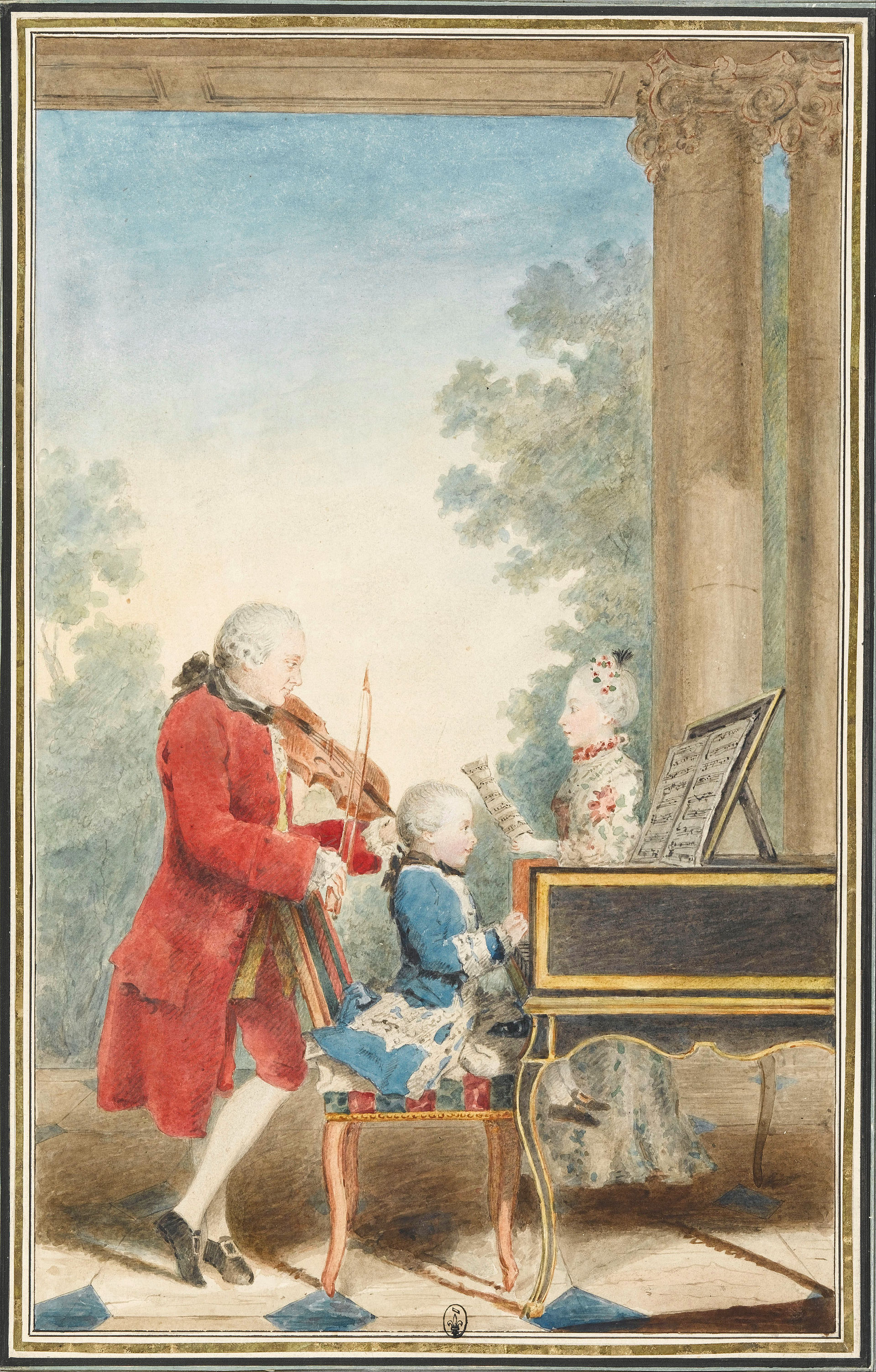
Mozart's father, himself a musician, recognized the boy's gift and took him and his talented sister on grand tours across Europe, where the young Mozart performed for royal courts and astonished audiences with his playing and his ability to improvise. He spent much of his childhood travelling and performing.
In his short life Mozart composed more than 600 works, mastering every form of his day: symphonies, concertos, chamber music, sonatas, and operas. The sheer quantity is astonishing, and the quality more so, for so many of these works are acknowledged masterpieces, prized for their beauty, balance, and depth.
Mozart's operas, such as The Marriage of Figaro, Don Giovanni, and The Magic Flute, are among the supreme achievements of the form and remain staples of the stage today. In them he combined glorious music with sharp insight into human character, creating works that are by turns comic, tragic, and profound.
Mozart worked at remarkable speed, often composing flawlessly in his head and writing the music down complete, as if taking dictation. This near miraculous facility, the seeming ease with which perfect music flowed from him, has contributed to his legend as the very image of the inspired, effortless genius.
Despite his fame, Mozart often struggled with money in his later years in Vienna, where he worked as a freelance composer and performer in an uncertain market. He earned well at times but spent freely, and his final years were shadowed by financial worry, even as he produced some of his greatest music.
Mozart died in 1791 at just thirty five, while working on his Requiem, a mass for the dead, which was left unfinished. The exact cause of his early death is uncertain and has been the subject of much speculation and legend. He was buried, as was common for those of modest means, in a simple grave.
The music Mozart left behind has only grown in stature since his death. His works are performed and loved around the world, admired for a perfection that seems almost beyond human reach. He is counted among the very greatest of all composers, a supreme genius whose brief life enriched music forever.
