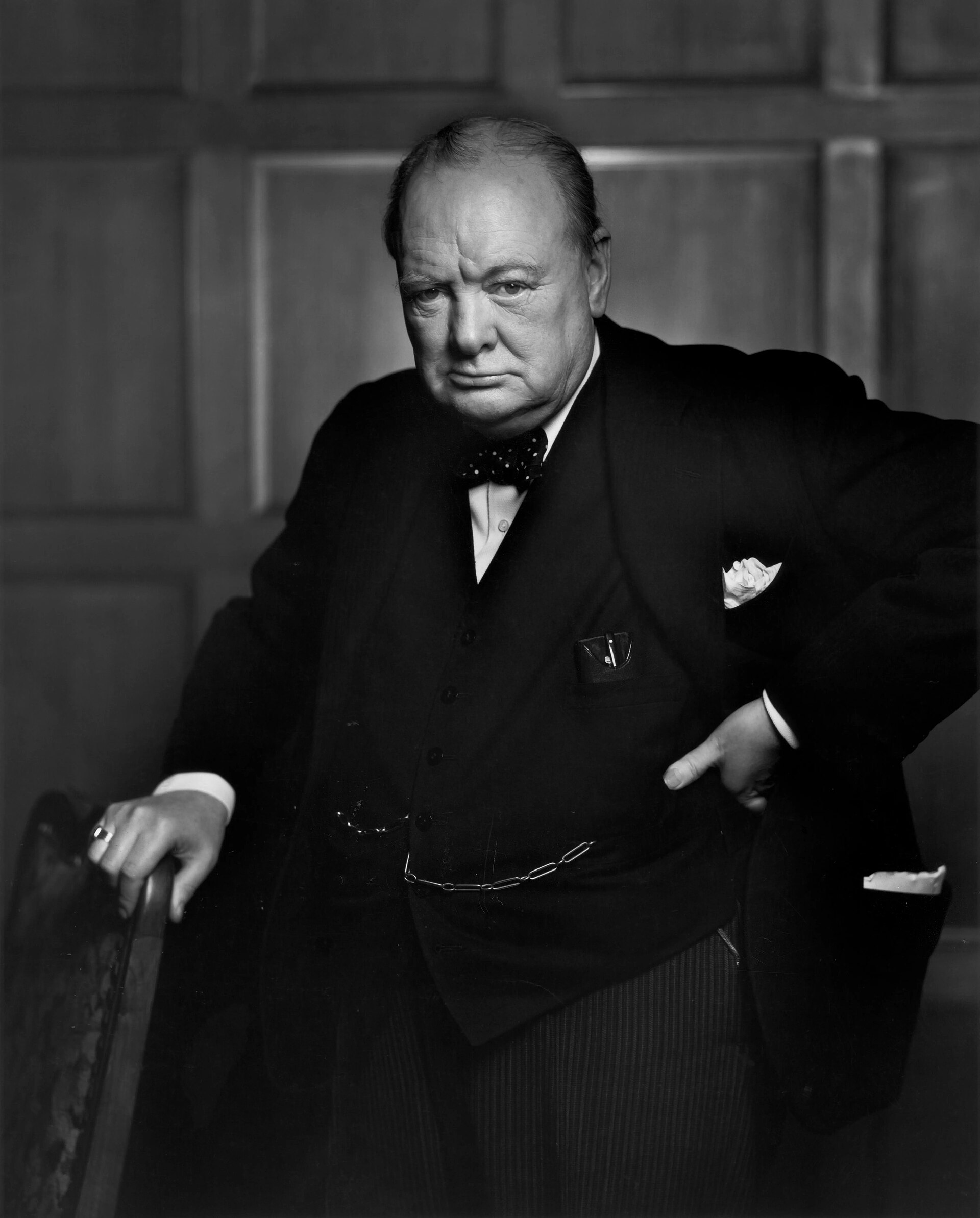
Winston Churchill (1874 to 1965) was a British statesman who served as Prime Minister during the Second World War and led the United Kingdom through its darkest and finest hours. His defiance and stirring words helped rally a nation against Nazi Germany.
Born into an aristocratic family, Churchill was a restless and ambitious young man who struggled at school but craved adventure and fame. He sought it as a soldier and war correspondent, seeing action and reporting from conflicts around the empire, and his early exploits made him a public name.
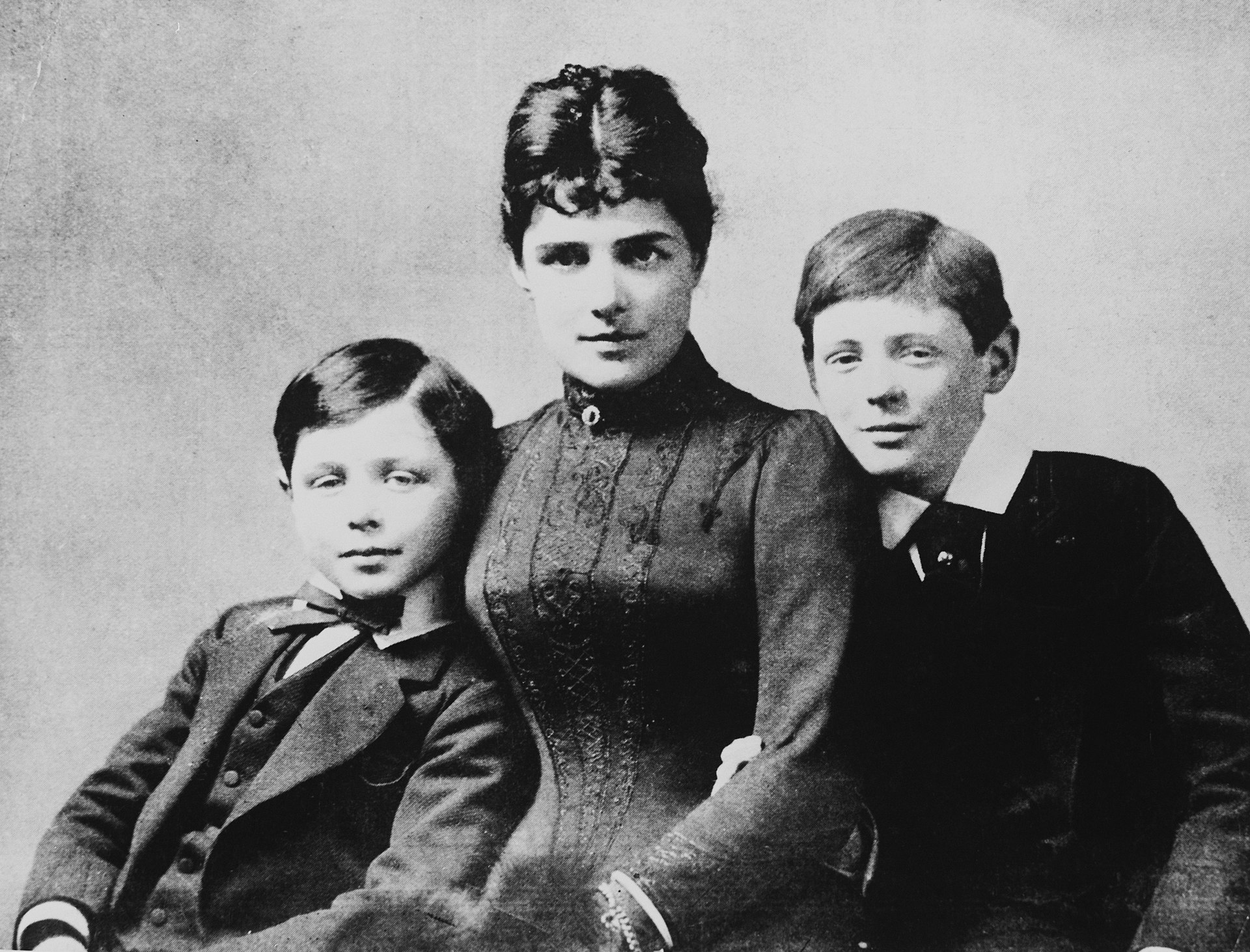
Churchill entered politics around the turn of the century and held many high offices over a long and turbulent career, switching parties and weathering triumphs and bitter setbacks. By the 1930s he was out of favour and seemed a spent force, a maverick warning, largely ignored, of the rising danger of Nazi Germany.
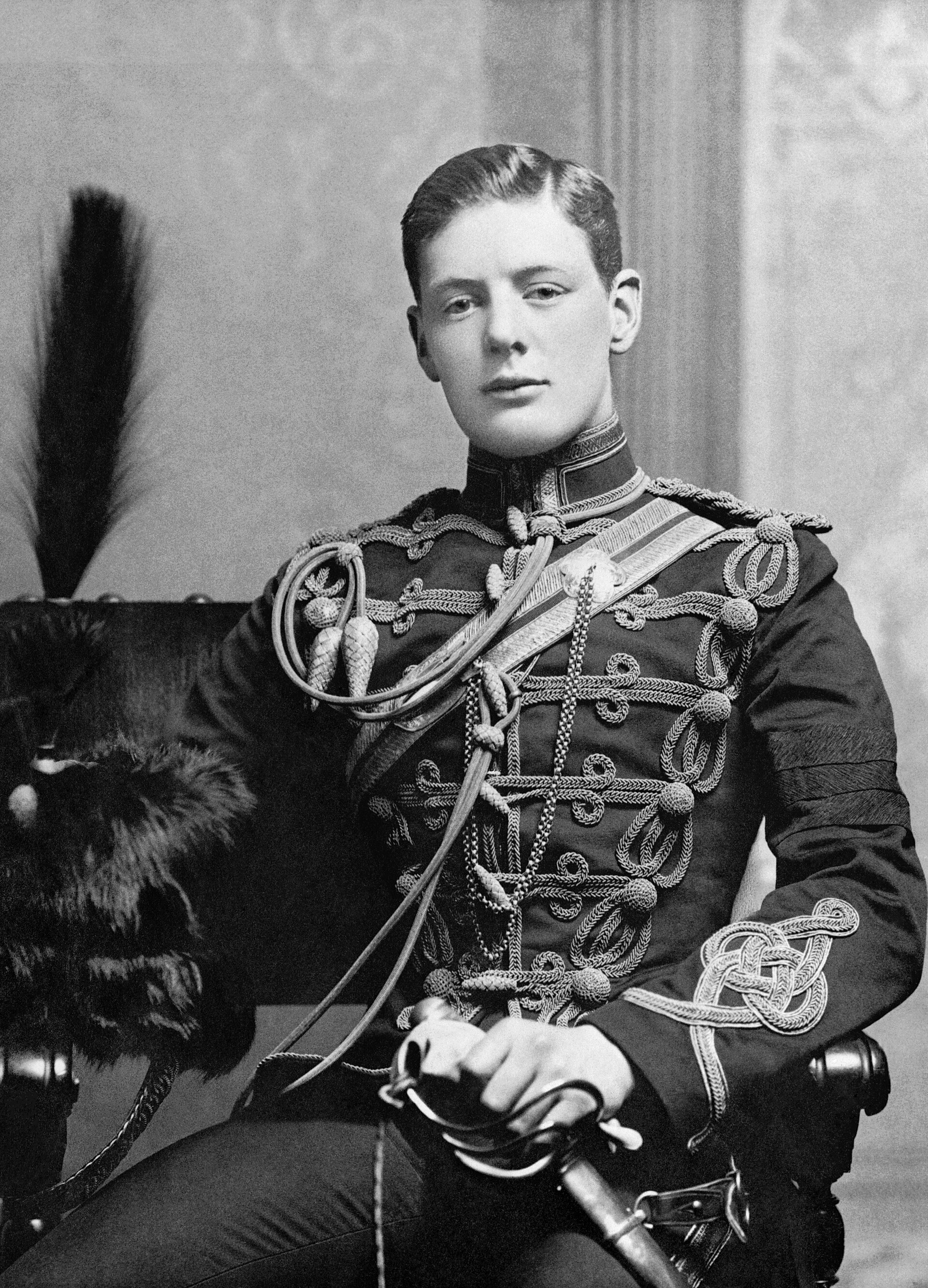
In 1940, as much of Europe fell to Nazi Germany and Britain stood nearly alone, Churchill became Prime Minister. The moment that had seemed to pass him by had arrived, and the qualities that had made him an outsider, his stubbornness, his combativeness, his sense of history, now made him the right leader for a desperate time.
Churchill rallied his country with a series of powerful speeches, refusing to contemplate surrender. He promised "blood, toil, tears and sweat," vowed that Britain would "never surrender," and steeled the nation's resolve through the dark days of the Battle of Britain. His eloquence became a weapon in the war itself.
As war leader, Churchill drove the British effort with tireless energy, working closely with allies, above all the United States and the Soviet Union, in the grand coalition that would eventually defeat Nazi Germany. His leadership through years of struggle and sacrifice became legendary.
Churchill was far more than a soldier and politician. He was a gifted writer who produced many volumes of history and memoir, and he won the Nobel Prize in Literature for his work. He painted, he wrote, and he lived life on a grand scale, his interests as wide ranging as his career was long.
Churchill is celebrated for his wartime leadership, but his long record is also debated. His views on the British Empire and race, and some of his policies and decisions, have drawn serious criticism. Like many great historical figures, he was a complex man whose legacy is both admired and contested.
Whatever the debates, Churchill's role in the defeat of Nazi Germany, and the courage and eloquence he brought to that struggle when his country stood nearly alone, secured his place as one of the most influential figures of the twentieth century and one of the great leaders in his nation's history.
