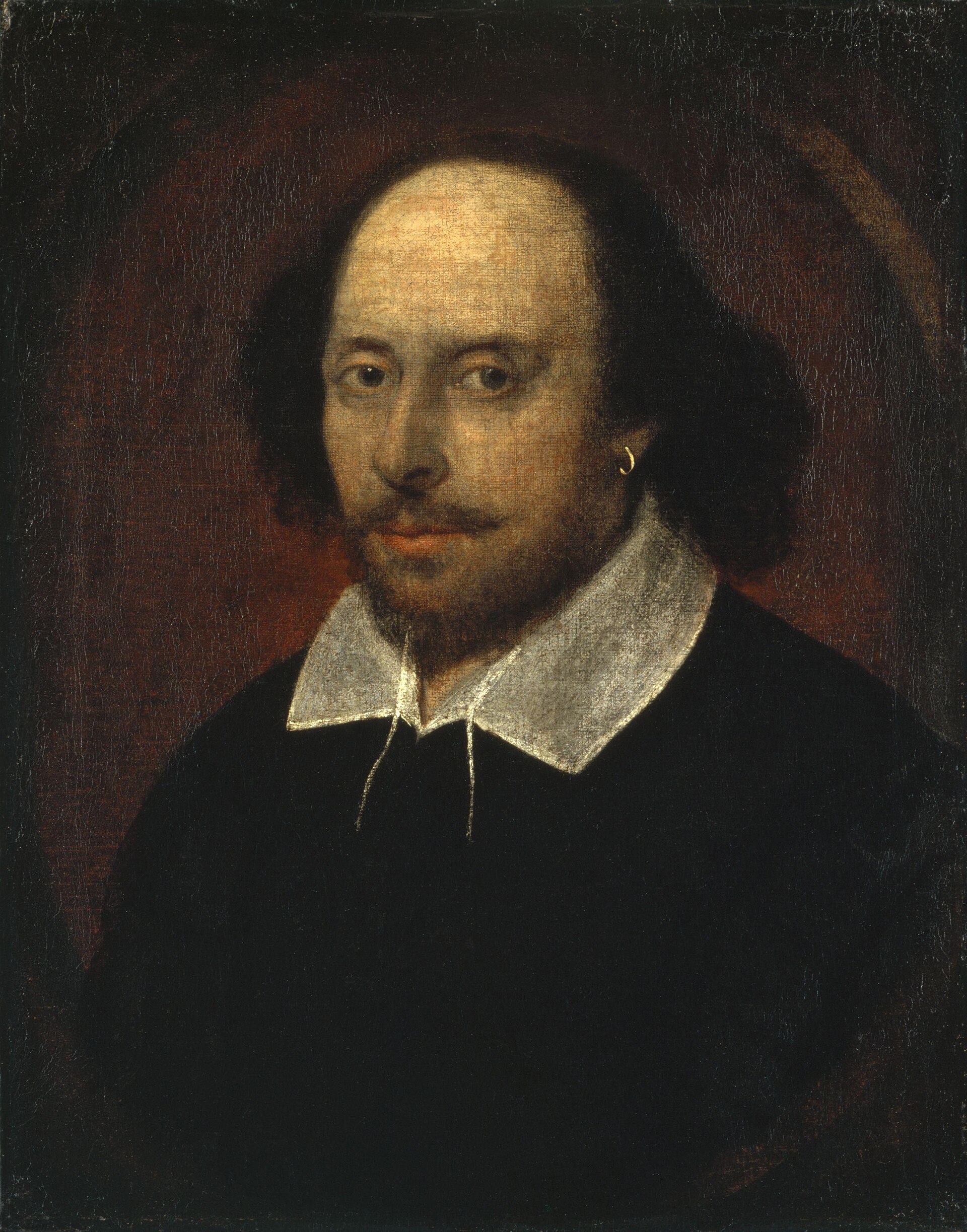
William Shakespeare (1564 to 1616) was an English playwright and poet, widely regarded as the greatest writer in the English language. His plays and poems have been performed and read continuously for more than four centuries.
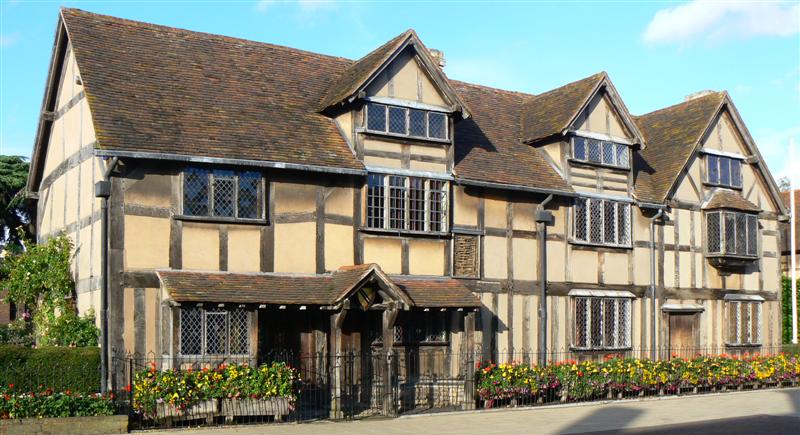
Shakespeare was born in the market town of Stratford upon Avon, the son of a glove maker. Relatively little is known for certain about his early life, which has fed centuries of speculation, but he received a grammar school education and married young before making his way to London.
In London, Shakespeare became an actor and writer for the stage, and a part owner of a leading theatre company. This gave him a practical, working knowledge of the theatre, writing for particular actors and a particular stage, the famous Globe, where his plays were performed to audiences from every walk of life.
Shakespeare worked in a golden age of English theatre, when the public flocked to playhouses and drama flourished as never before. He was the supreme talent of this vibrant scene, competing and collaborating with other gifted writers, and giving the age its enduring literary glory.
He wrote around thirty seven plays across every kind. His sparkling comedies delight with wit and romance; his English histories dramatize the nation's past; and his great tragedies, Hamlet, Macbeth, Othello, and King Lear, plumb the darkest depths of ambition, jealousy, madness, and grief.
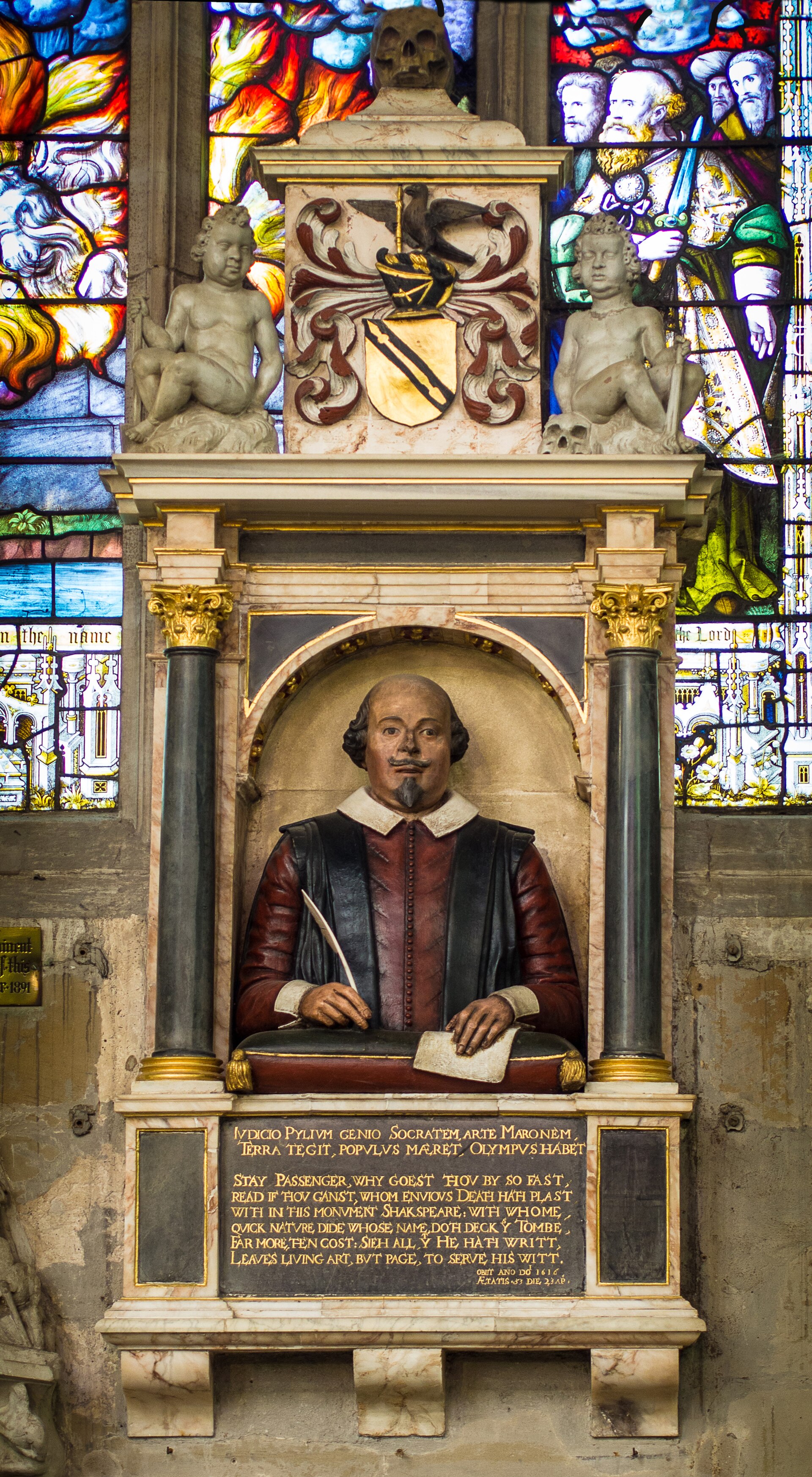
Besides his plays, Shakespeare wrote more than 150 sonnets, short, intense poems on love, beauty, time, and mortality, which are among the most admired in the language. His mastery of verse and his richly drawn characters set him apart from all his contemporaries.
Shakespeare's command of language was extraordinary. He coined or popularized hundreds of words and phrases still used in English every day, and his lines have entered the language so deeply that people quote him constantly without knowing it. His vocabulary and invention have never been surpassed.
Above all, Shakespeare understood people. His characters, from tormented kings to foolish lovers to scheming villains, live and breathe with a psychological depth that feels astonishingly modern. He showed the full range of human nature, its grandeur and its folly, with unmatched insight and sympathy.
Shakespeare retired to Stratford and died at fifty two. His reputation grew steadily after his death, as his plays were collected, printed, and revived. By later centuries he had been elevated to the very summit of English literature, a status he has never lost.
Today Shakespeare's works have been translated into every major language, adapted into films and operas, and performed across the world. His exploration of love, power, jealousy, and death still speaks to audiences everywhere, securing his place, as a contemporary said, not of an age but for all time.
