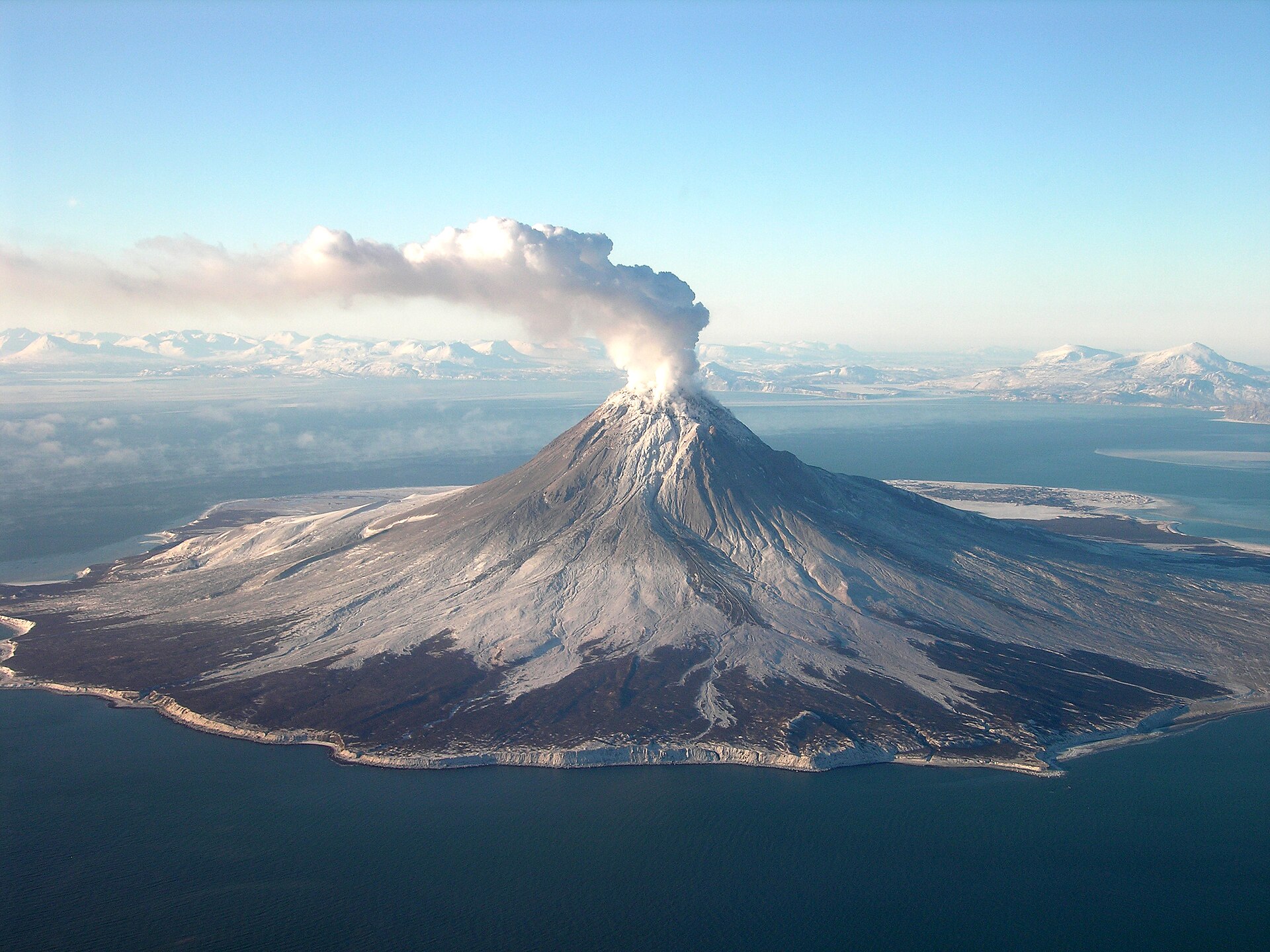
A volcano is an opening in a planet's crust through which molten rock, gas, and ash erupt from the hot interior to the surface. On Earth they are both destroyers and creators, capable of devastating eruptions, yet responsible over geological time for building land, enriching soils, and shaping the atmosphere and oceans.
Earth's rocky outer shell is broken into tectonic plates that drift over a hot, slowly flowing mantle. Most volcanoes occur at plate boundaries: where plates pull apart, mantle rock rises and melts to form new crust, and where one plate dives beneath another, water released from the sinking slab lowers the melting point of the rock above, feeding chains of volcanoes such as the Pacific "Ring of Fire." A few volcanoes, like those of Hawaii, sit over "hotspots", plumes of unusually hot rock rising from deep in the mantle.
Volcanoes take very different shapes depending on what erupts from them. Runny, low-gas basaltic lava spreads far and builds broad, gently sloping shield volcanoes. Thicker, gas-rich magma erupts more violently and piles into the steep, classic cones of stratovolcanoes.
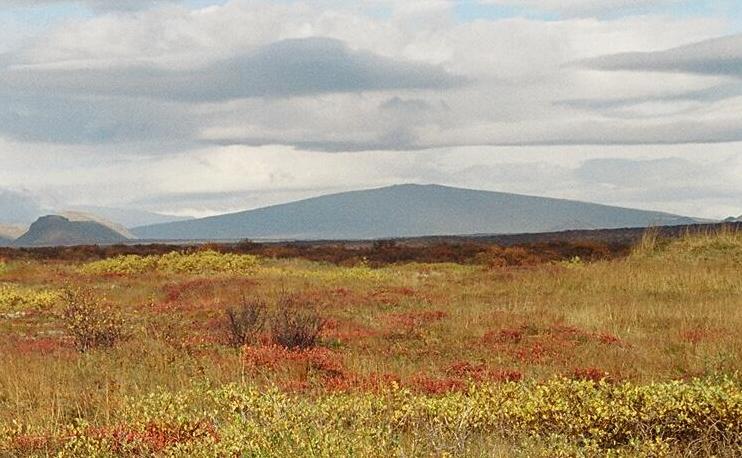
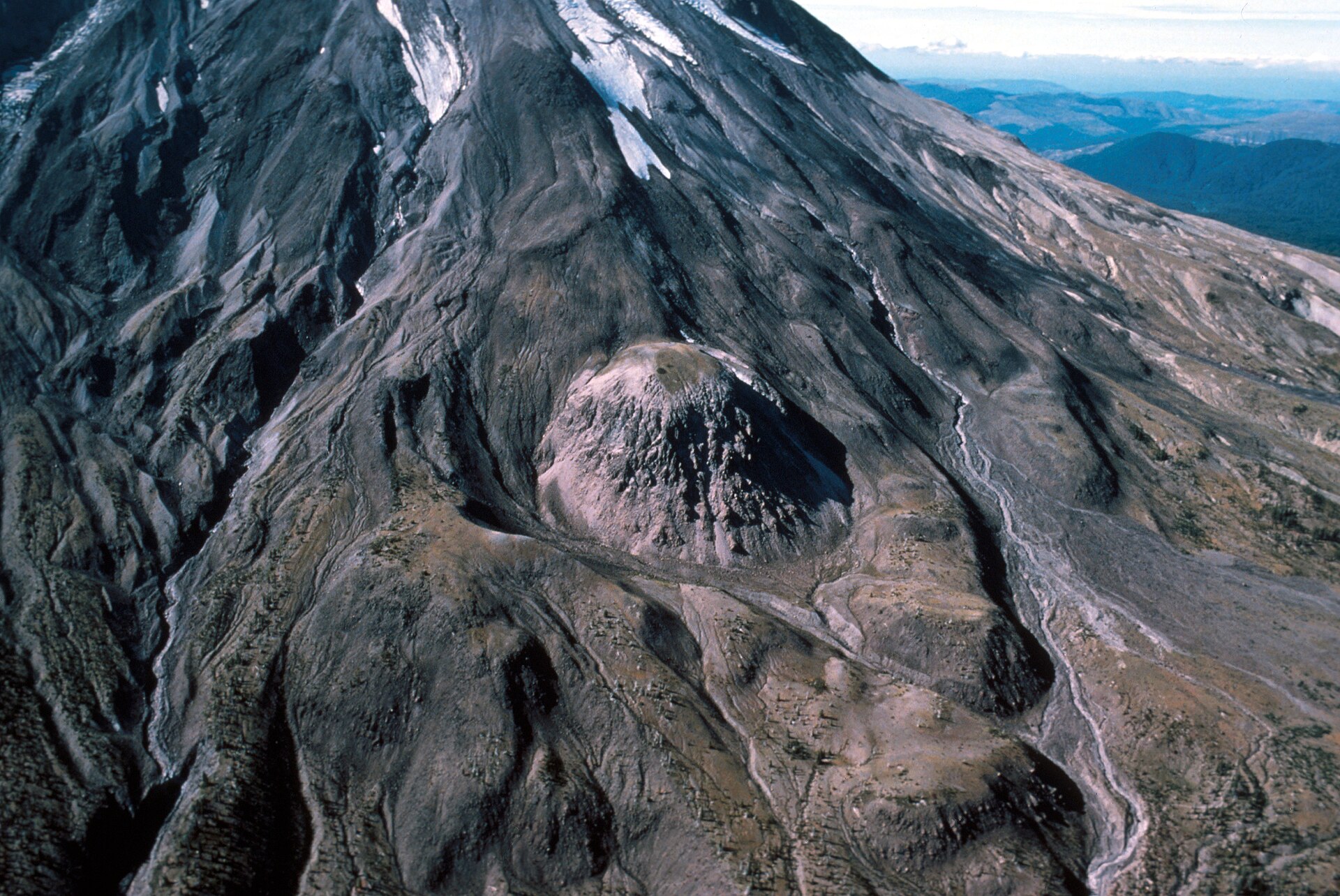
Where viscous lava simply oozes out and stiffens, it piles up into a steep lava dome, while where magma reaches the surface along a crack, a fissure can erupt curtains of fire many kilometres long. These different styles reflect how thick the magma is and how much gas it carries, which together decide whether an eruption flows gently or blasts apart.
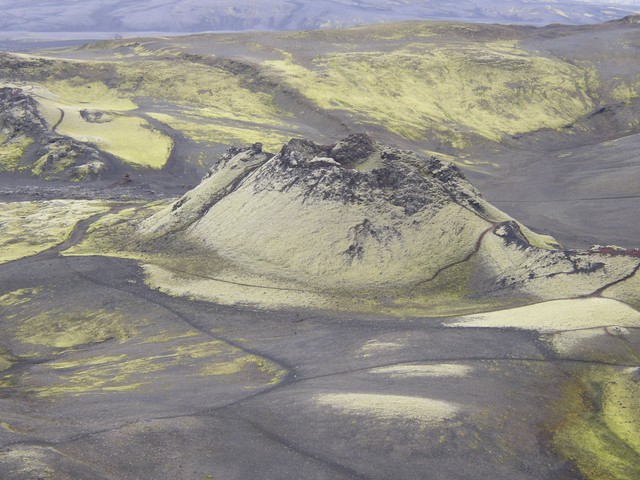
The greatest eruptions can alter the whole planet's climate. The 1783 Laki fissure eruption in Iceland poisoned crops and chilled the Northern Hemisphere, while larger prehistoric eruptions have been linked to mass extinctions. By flinging ash and gas high into the stratosphere, a single large eruption can dim the Sun and cool the globe for years.
The dangers of a volcano go well beyond flowing lava. The deadliest threats include fast-moving avalanches of hot gas and ash called pyroclastic flows, mudflows that sweep down river valleys, ashfall that collapses roofs and grounds aircraft, and the silent release of toxic or suffocating gases. Many volcanic disasters have killed not by lava but by these secondary effects.
For all their danger, volcanoes have made the world habitable. Their gases helped form the early atmosphere and oceans, their eruptions create fertile volcanic soils that feed millions of people, and they build new land, from the islands of Hawaii and Iceland to entire ocean plateaus. Whole landscapes and ecosystems owe their existence to volcanic activity.
Today scientists monitor active volcanoes with seismometers that detect the tremor of moving magma, gas sensors, ground-deformation instruments, and satellites. By reading the warning signs that often precede an eruption, such as swarms of small earthquakes and a swelling of the ground, they can sometimes give communities the time they need to evacuate.
