Vitalism was the long held belief that living things contain a special, non physical "vital force" or "life energy" that animates them and that cannot be reduced to ordinary chemistry and physics. As a scientific explanation of life, it has been thoroughly debunked.
For centuries, many believed that living matter was fundamentally different from non living matter, governed by a mysterious vital principle that gave it the spark of life. This force, it was thought, was what separated a living body from a dead one, and what no mere chemistry could ever produce.
Vitalism was an understandable idea. Living things seem so different from rocks and water, growing, moving, healing, and reproducing, that it was natural to suppose some special essence set them apart. Across many cultures and eras, the belief in a unique force of life appeared in one form or another.
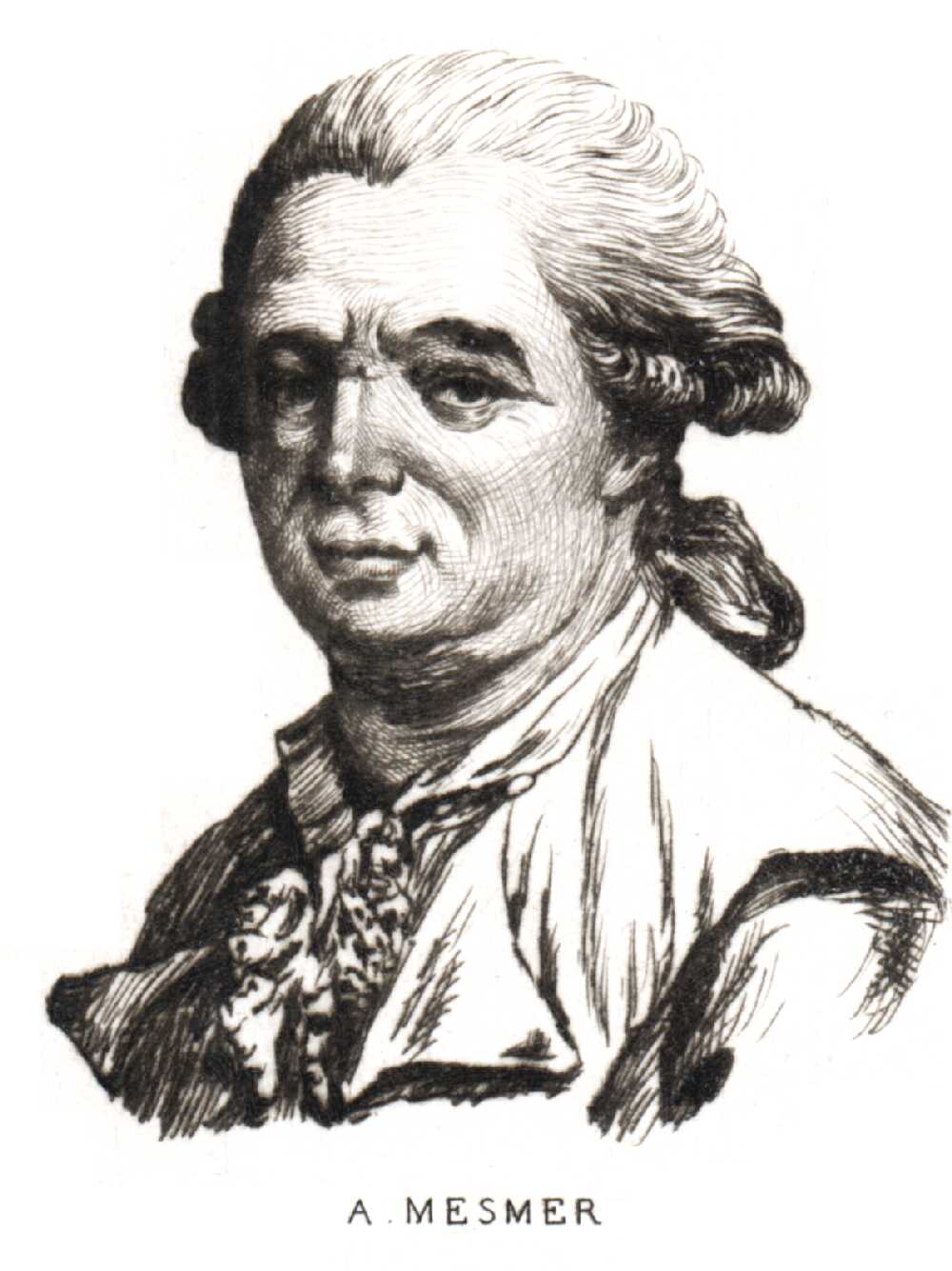
The idea extended into medicine, where notions of healing "energies" and life forces shaped how illness was understood and treated. Figures such as Franz Mesmer promoted the idea of an invisible vital fluid or "animal magnetism" that could be manipulated to cure disease, a fashionable notion in its day.
The crucial question was whether the substances found in living things were different in kind from ordinary chemicals, made only by a vital force. If they were, life truly stood apart. If not, then living matter obeyed the same chemistry as everything else, and the case for vitalism crumbled.
A decisive blow came in 1828, when the chemist Friedrich Wöhler synthesised urea, a compound made by living bodies, from plainly non living chemicals in his laboratory. He had made a "biological" substance without any living thing or vital force, a result that astonished him and shook the foundations of vitalism.
Wöhler's synthesis showed that the substances of life obey the same chemistry as everything else, with no special force required. Over the following century, biology went on to explain life, from digestion to heredity, in terms of ordinary molecules, reactions, and physical laws, leaving no room for a vital force.
Modern biology explains the processes of life entirely through chemistry and physics. We understand how cells extract energy, how genes carry instructions, and how molecules build and run a body, all without any mysterious essence. Vitalism is debunked; there is no separate force of life to be found.
The complexity and wonder of life turned out to arise not from a mysterious energy, but from the intricate organization of ordinary matter, a discovery that opened the door to molecular biology, genetics, and modern medicine. That life is chemistry makes it no less astonishing; if anything, it deepens the marvel.
