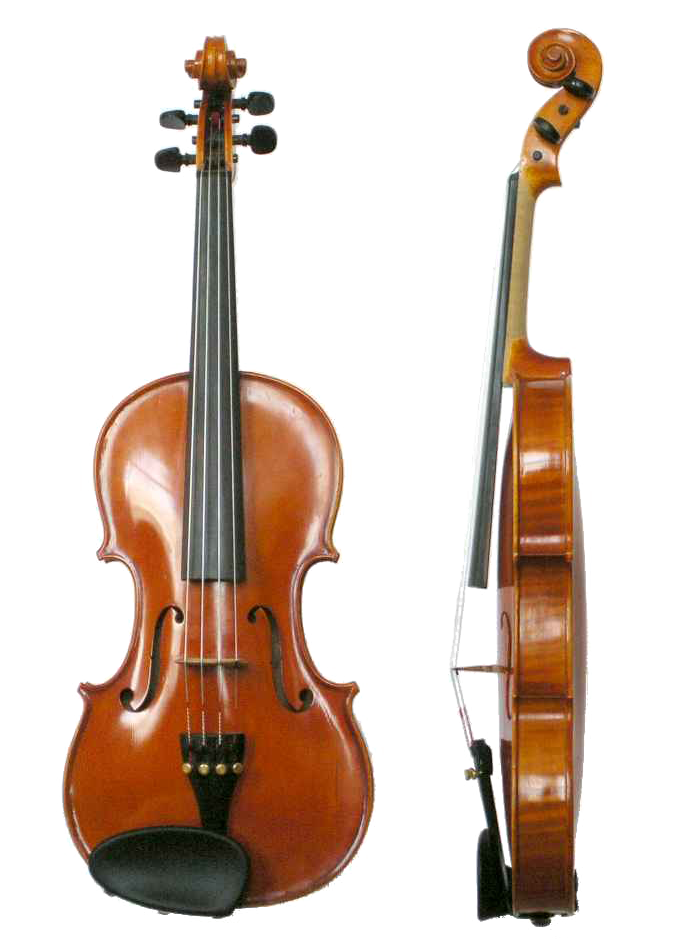
The violin is a wooden string instrument played with a bow, the highest pitched member of the violin family. Prized for its expressive, singing tone, it sits at the heart of classical music and appears in folk, jazz, and popular styles around the world.
The violin has four strings stretched over a hollow wooden body shaped with elegant curves. Its main parts are the body, which amplifies the sound, the neck and fingerboard, where the player presses the strings, and the scroll at the top. Inside, a small wooden post and bass bar carry vibrations through the instrument.
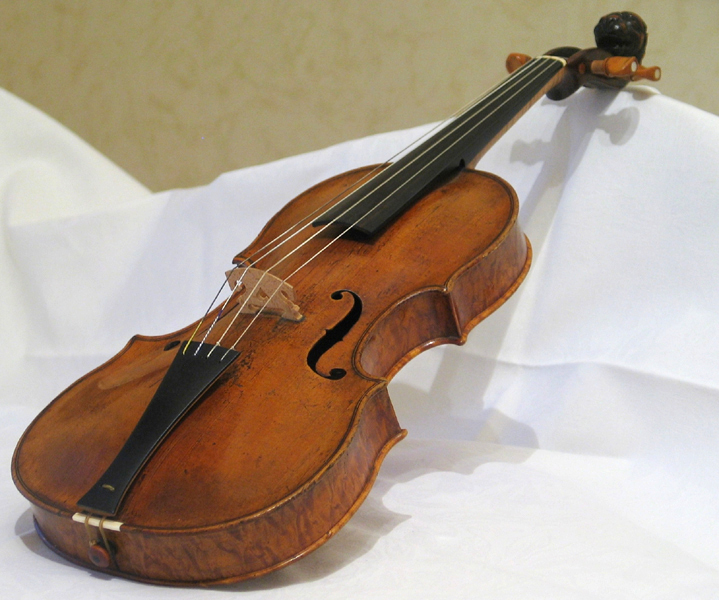
Drawing a bow, strung with horsehair, across the strings sets them vibrating, and the body amplifies and enriches the sound. The player presses the strings against the fingerboard with the left hand to change their length, and so their pitch, while the right hand controls the bow's speed and pressure to shape volume and tone.
With no frets to guide the fingers, the violinist must place each note by feel and ear, so playing in tune demands great precision and years of practice. Subtle movements of the bow and a shimmering technique called vibrato give the instrument its singing, vocal quality, capable of great tenderness or fierce intensity.
The violin took its modern form in northern Italy in the sixteenth century. Making one is a delicate craft, shaping thin curved plates of spruce and maple so that the whole instrument resonates beautifully. The choice of wood, the thickness of each plate, and the varnish all affect the sound in ways makers have studied for centuries.
The Italian city of Cremona became famous for its master makers, above all Antonio Stradivari, whose instruments from the late seventeenth and early eighteenth centuries are still considered among the finest ever built and can sell for millions. The secret of their quality is much debated, a mix of craftsmanship, wood, and time.
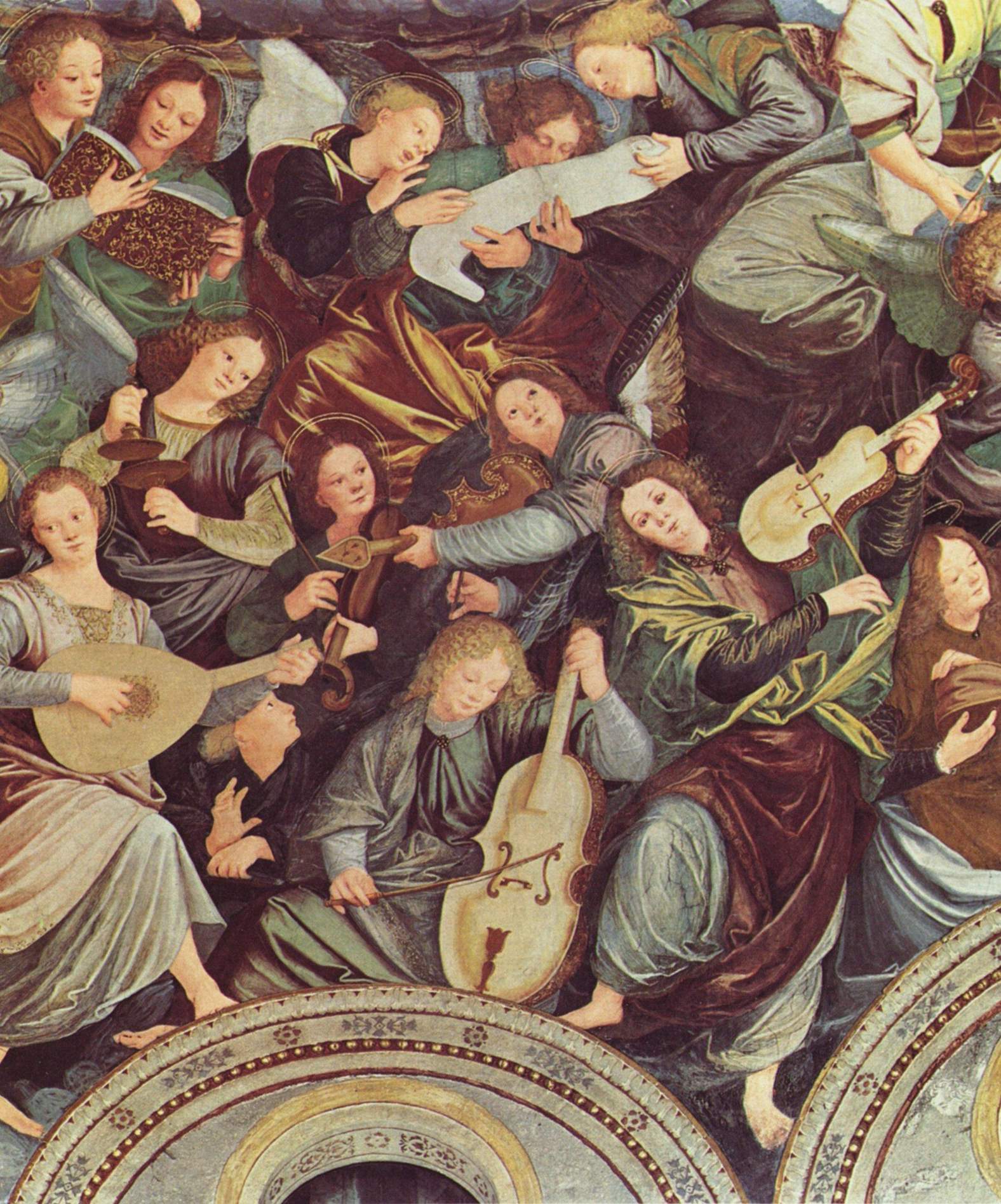
The violin is the foundation of the orchestra, usually its largest section, divided into first and second violins that carry much of the melody and harmony. It is also the lead voice in the string quartet, one of the most refined forms in all of music, alongside two violins, a viola, and a cello.
Generations of great composers have written for the violin, from Bach and Mozart to Brahms and beyond. Virtuoso soloists, such as the legendary Paganini, pushed its expressive and technical range to extraordinary heights, dazzling audiences and inspiring new music written to show off the instrument's full powers.
Beyond the concert hall, the same instrument, often called a fiddle, drives folk and dance music across many cultures, from Irish reels to American bluegrass. Played in a looser, rhythmic style, it shows the violin's other life as an instrument of community, celebration, and everyday joy.
Few instruments are so versatile, so demanding, or so capable of imitating the human voice. From the grandeur of a concerto to the lilt of a folk tune, the violin has held its place at the centre of music for more than four hundred years, beloved by players and listeners alike.
