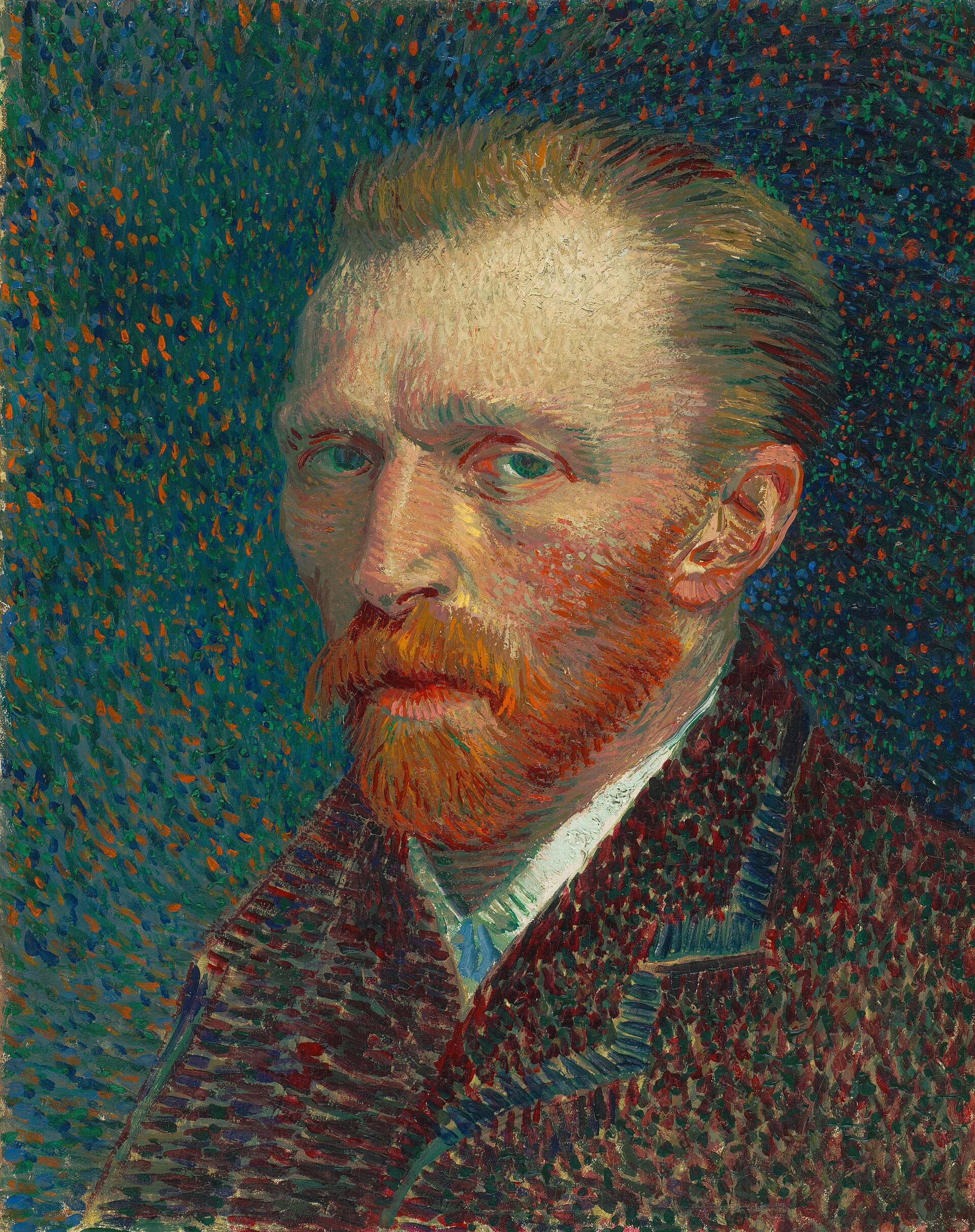
Vincent van Gogh (1853 to 1890) was a Dutch painter whose bold colours and expressive brushwork made him one of the most influential figures in the history of art. Though he found little success in his lifetime, his work is now among the most loved in the world.
The son of a Dutch pastor, Van Gogh spent his early years searching for a purpose, trying his hand as an art dealer, a teacher, and a preacher among poor miners, failing at each. Intense, idealistic, and often unhappy, he came to art relatively late, in his late twenties.
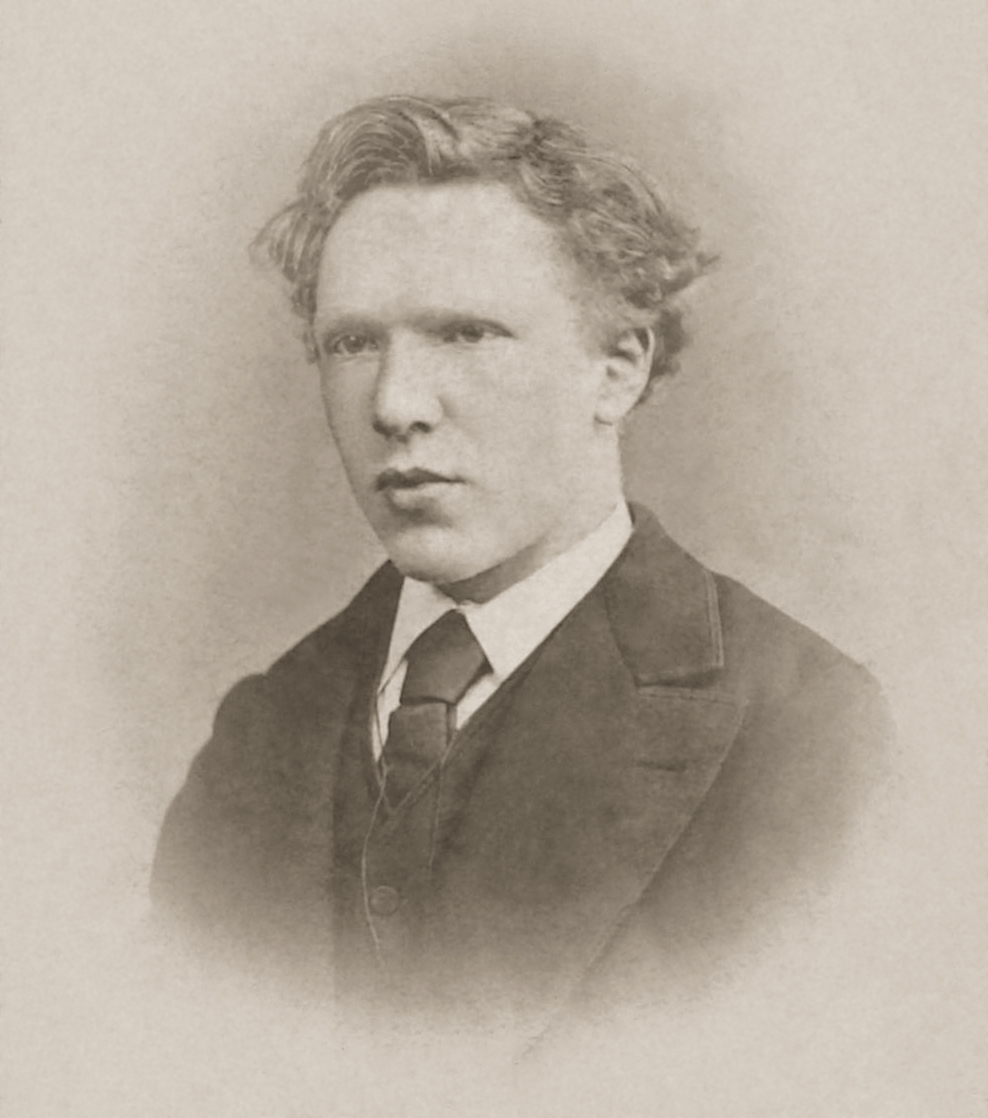
Once he found his calling, Van Gogh worked with astonishing intensity. In barely a decade, he produced some 2,000 works, including around 900 paintings, pouring himself into his art. His style grew ever bolder, moving from dark, sombre early works to the vivid, blazing colour of his maturity.
Van Gogh's mature paintings are unmistakable, with their vivid colours, swirling forms, and thick, energetic strokes of paint that seem to vibrate with feeling. He used colour not to copy nature but to express emotion, a radical approach that helped open the way to modern art.
Among his most famous works are The Starry Night, with its turbulent, glowing sky, his luminous sunflowers, and a series of searching self portraits. Painted in the south of France, where the light and landscape inspired some of his greatest work, these canvases are now treasured around the world.
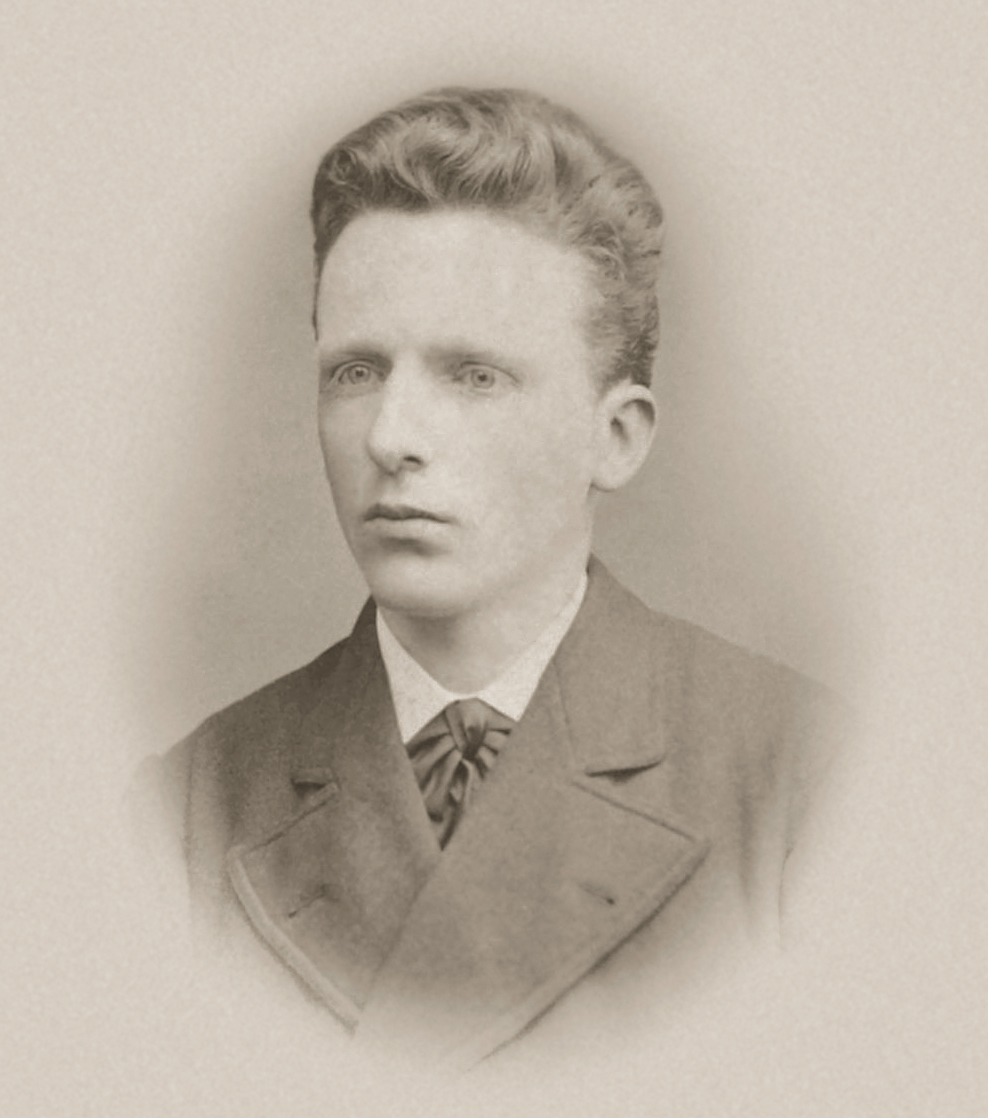
Through it all, Van Gogh was supported, emotionally and financially, by his younger brother Theo, an art dealer who believed in his genius. Vincent depended on Theo entirely, and the two exchanged hundreds of letters, a remarkable record of an artist's struggles, hopes, and ideas.
Van Gogh struggled throughout his career with poverty, loneliness, and mental illness, suffering breakdowns and spending time in an asylum, where he nonetheless kept painting. His most famous act of self harm, cutting off part of his own ear, has become inseparable from his tragic image.
Van Gogh's letters to Theo are themselves treasured documents, revealing a thoughtful, articulate, and deeply feeling man, far from the simple madman of legend. In them he reflected on art, nature, and his own struggles with rare honesty and eloquence.
Van Gogh sold almost no paintings while alive and died at just thirty seven, by his own hand, believing himself a failure. He could not have known that recognition was near, or that his work would soon be hailed as among the greatest of its age.
In the decades after his death his reputation soared. He came to be seen as a pioneer of modern art whose emotional, expressive approach influenced countless painters. Today his works hang in the world's great museums and sell for enormous sums, a poignant contrast to the hardship and obscurity of his life.
