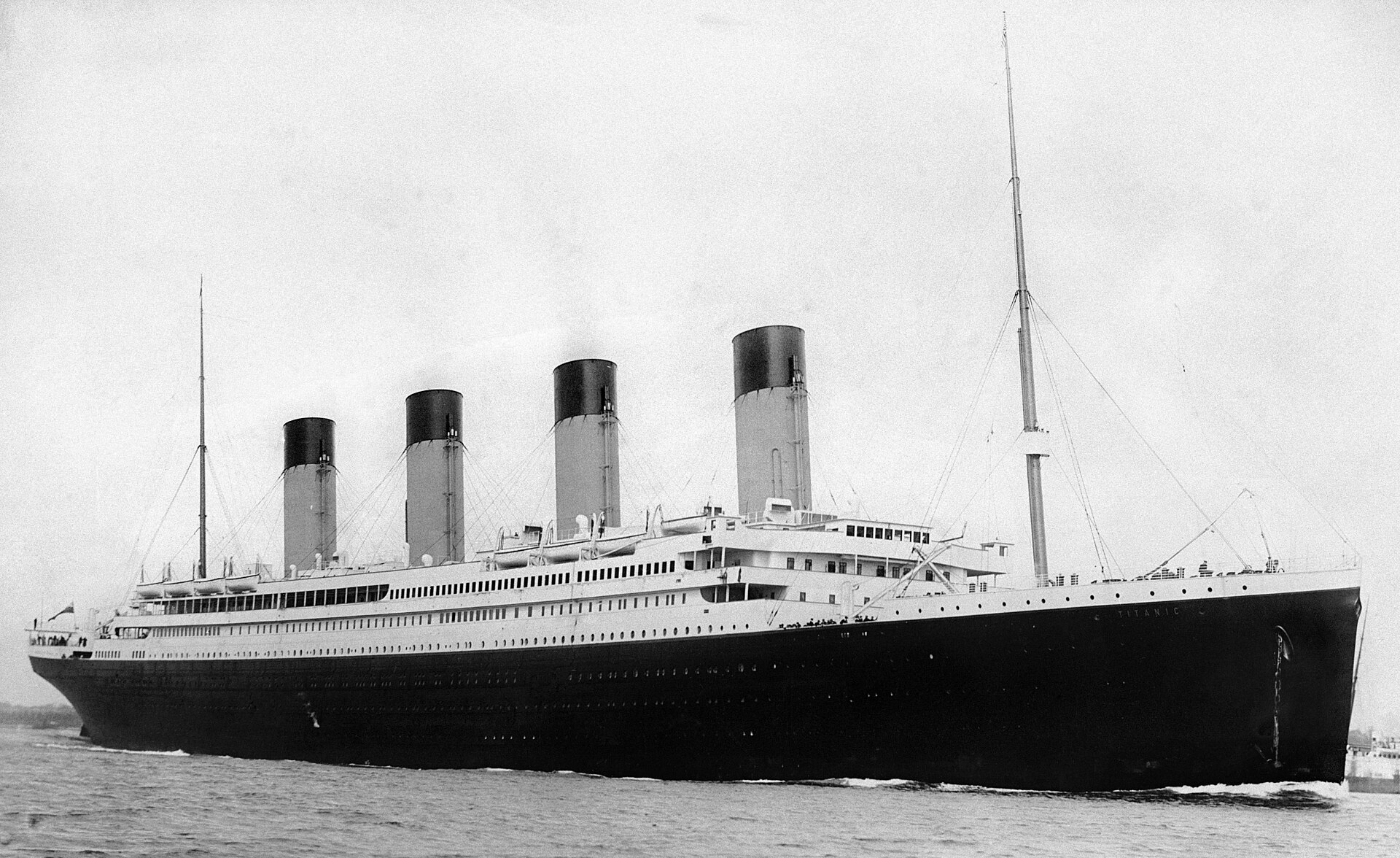
The Titanic was a British ocean liner that sank in 1912 on its very first voyage after striking an iceberg, killing about 1,500 people. The disaster shocked the world and became one of the most famous and studied tragedies in history.
The Titanic was the largest and most luxurious ship of its day, a marvel of engineering and a symbol of the age's confidence in technology. With its grand staircases, fine dining, and modern safety features, it was widely believed to be practically unsinkable, an assumption that would prove tragically misplaced.
On 10 April 1912 the Titanic set out from Southampton, England, bound for New York, carrying more than 2,200 passengers and crew. They ranged from wealthy elite travellers in opulent first class cabins to poor emigrants in steerage, seeking a new life in America, all sharing in the excitement of the maiden voyage.
Late on the night of 14 April, in calm, frigid waters, the Titanic struck an iceberg, which tore a series of gashes in its hull below the waterline. Water flooded into the ship's compartments, and despite its supposedly advanced design, the great liner began, slowly and inexorably, to sink.
The disaster was made far deadlier by a fatal shortage of lifeboats; there were nowhere near enough for everyone aboard. As the ship sank over the course of less than three hours, hundreds were left with no place in a boat, and many who ended up in the icy water perished within minutes.
In the chaos of the sinking, stories emerged of courage and order amid terror, of the band said to have played on as the ship went down, and of the rule that women and children should go first to the boats. About 700 people survived, plucked from the lifeboats by a ship that arrived too late to save the rest.
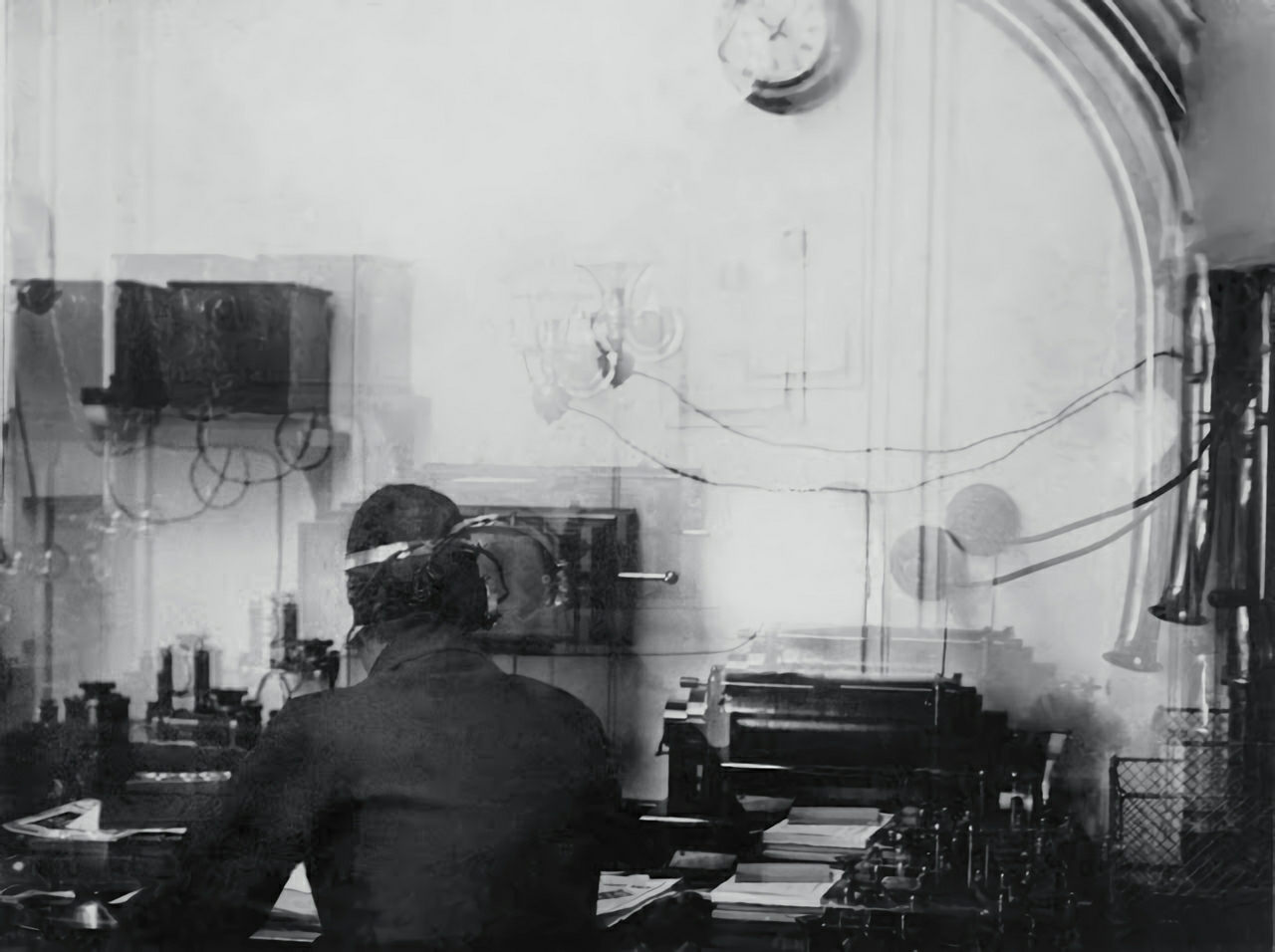
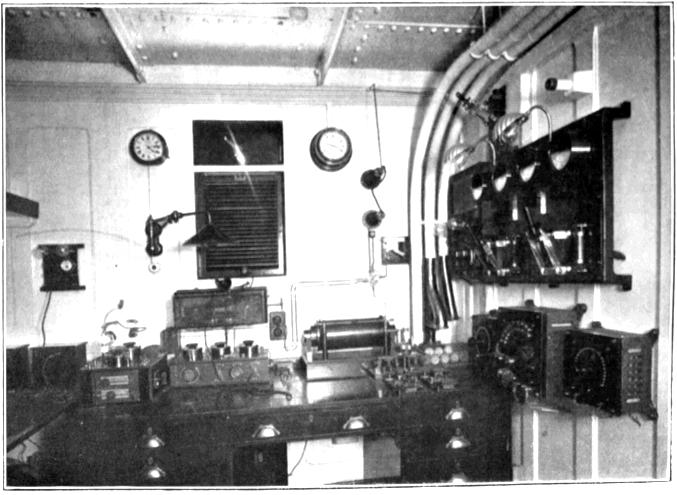
The Titanic disaster led to major reforms in maritime safety. New rules required ships to carry enough lifeboats for everyone aboard, to maintain a round the clock radio watch, and to follow safer practices in icy waters, changes that have saved countless lives in the years since.
For more than seven decades the wreck lay lost in the deep, until it was discovered in 1985, broken in two on the ocean floor more than three kilometres down. The haunting images of the rusting hulk brought the tragedy vividly back to life and allowed scientists to study the disaster anew.
More than a century later, the Titanic endures in books, films, exhibitions, and the public imagination as a powerful story of human ambition, class, courage, and tragedy. It stands as a lasting reminder of the limits of technology and of the human cost when confidence outruns caution.
