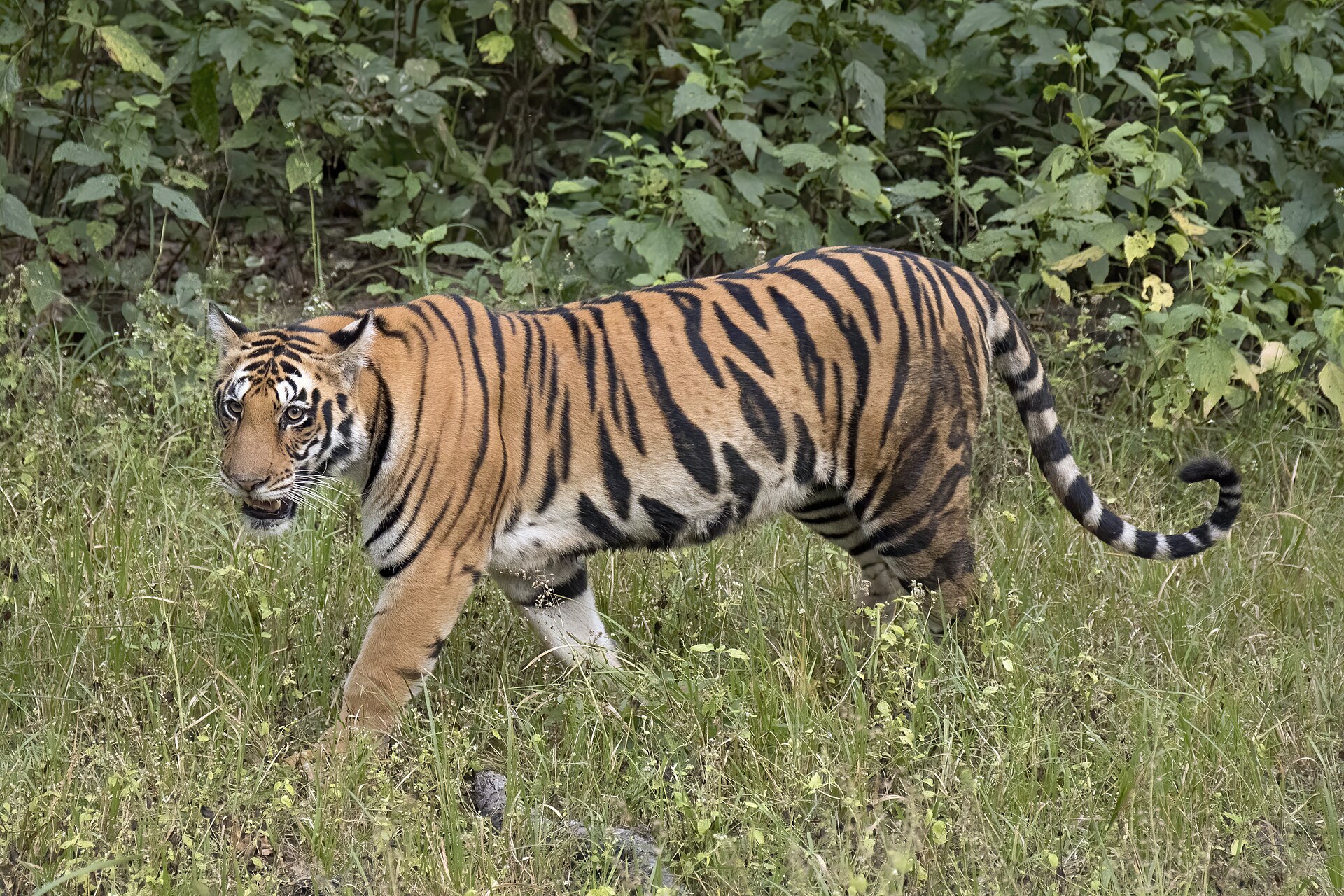
The tiger is the largest of all the cats and one of the most powerful and recognisable animals on Earth. With its burning orange coat marked by bold black stripes, it is an apex predator of the forests, grasslands, and swamps of Asia, and a creature of deep cultural significance across the continent.
A large male tiger can weigh well over 250 kilograms and measure more than three metres from nose to tail. Tigers are built for ambush and power, with muscular bodies, retractable claws, and immense strength that lets them bring down prey far larger than themselves, including deer, wild pigs, and even young elephants or rhinos on occasion.
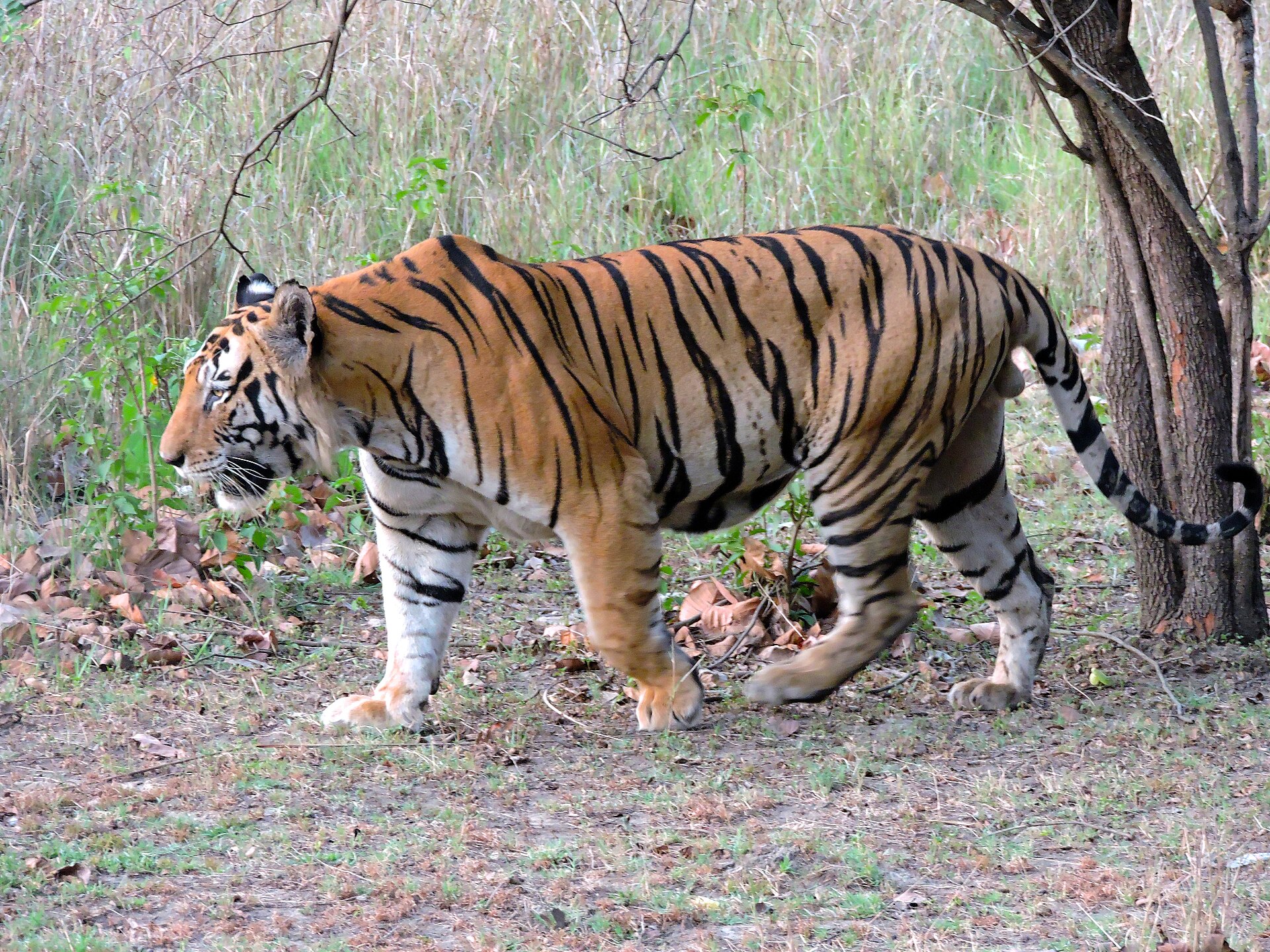
Each tiger's stripe pattern is unique, and the stripes provide superb camouflage in the dappled light of tall grass and forest, breaking up the animal's outline so that a creature weighing as much as a person can melt into the undergrowth. The pattern is in the skin as well as the fur, so a shaved tiger would still show its stripes.
Unlike lions, tigers are largely solitary. Each adult holds and patrols a territory, marking it with scent, and tigers usually come together only to mate. They are mostly nocturnal hunters, relying on stealth rather than speed, stalking close to their prey before a short, explosive rush. A tiger may eat a great deal in a single meal and then go days without eating again. They are also, unusually for cats, strong swimmers that readily take to water to cool off or cross rivers.
Tigers once ranged across much of Asia, from Turkey to the Russian Far East, but they now survive in scattered pockets that are a small fraction of that former extent. The loss of this range, more than anything, charts the pressure the species has come under.
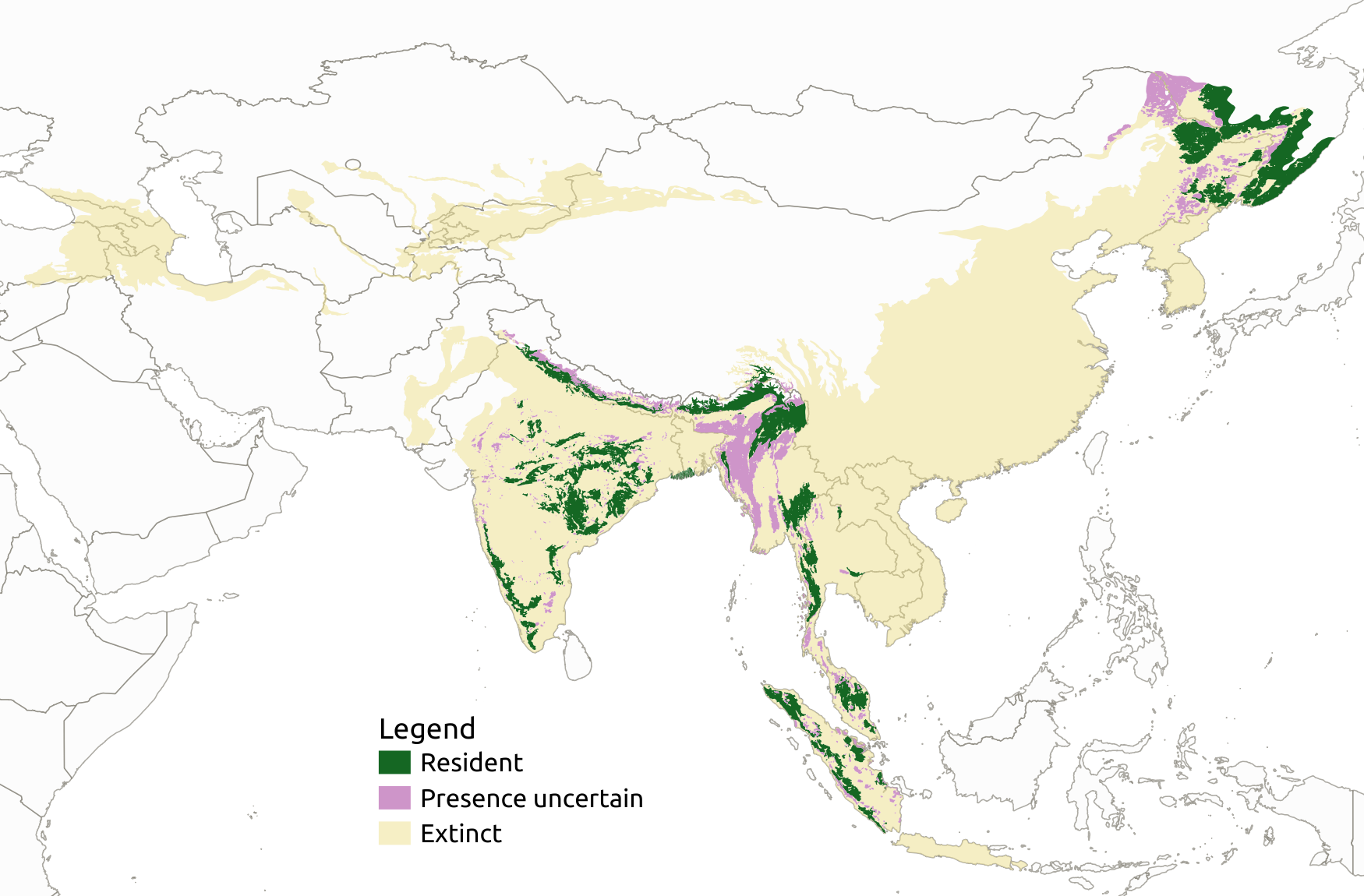
Several distinct tiger populations have been driven to extinction in modern times, including the Caspian tiger of central Asia and the tigers of Bali and Java. The survivors, such as the Bengal, Siberian, and Sumatran tigers, cling on in their own corners of the continent, each adapted to a different climate and landscape.
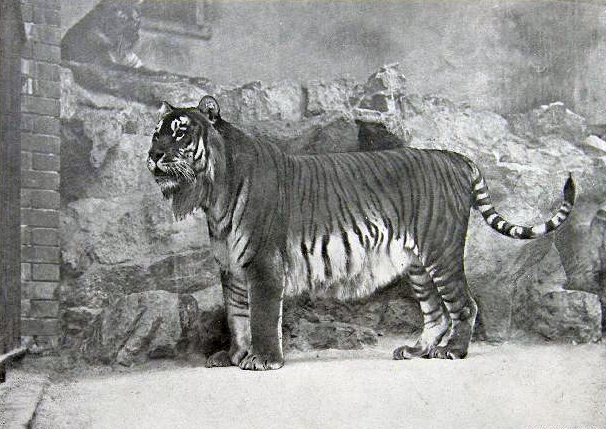
The tiger has suffered catastrophic declines over the last century, victim of hunting, the trade in its skin and body parts, and above all the loss of the wild habitat it needs. The species is endangered, and its wild population is a small remnant of what it once was.
The tiger has become a flagship for conservation. Protected reserves, anti-poaching patrols, and international agreements have helped some populations stabilise and even grow, a rare bright spot for such a threatened animal. Because tigers need large territories and abundant prey, protecting them also protects entire ecosystems and the many other species that share their forests. The fate of the tiger has become a powerful test of whether humans can make room for the wild.
