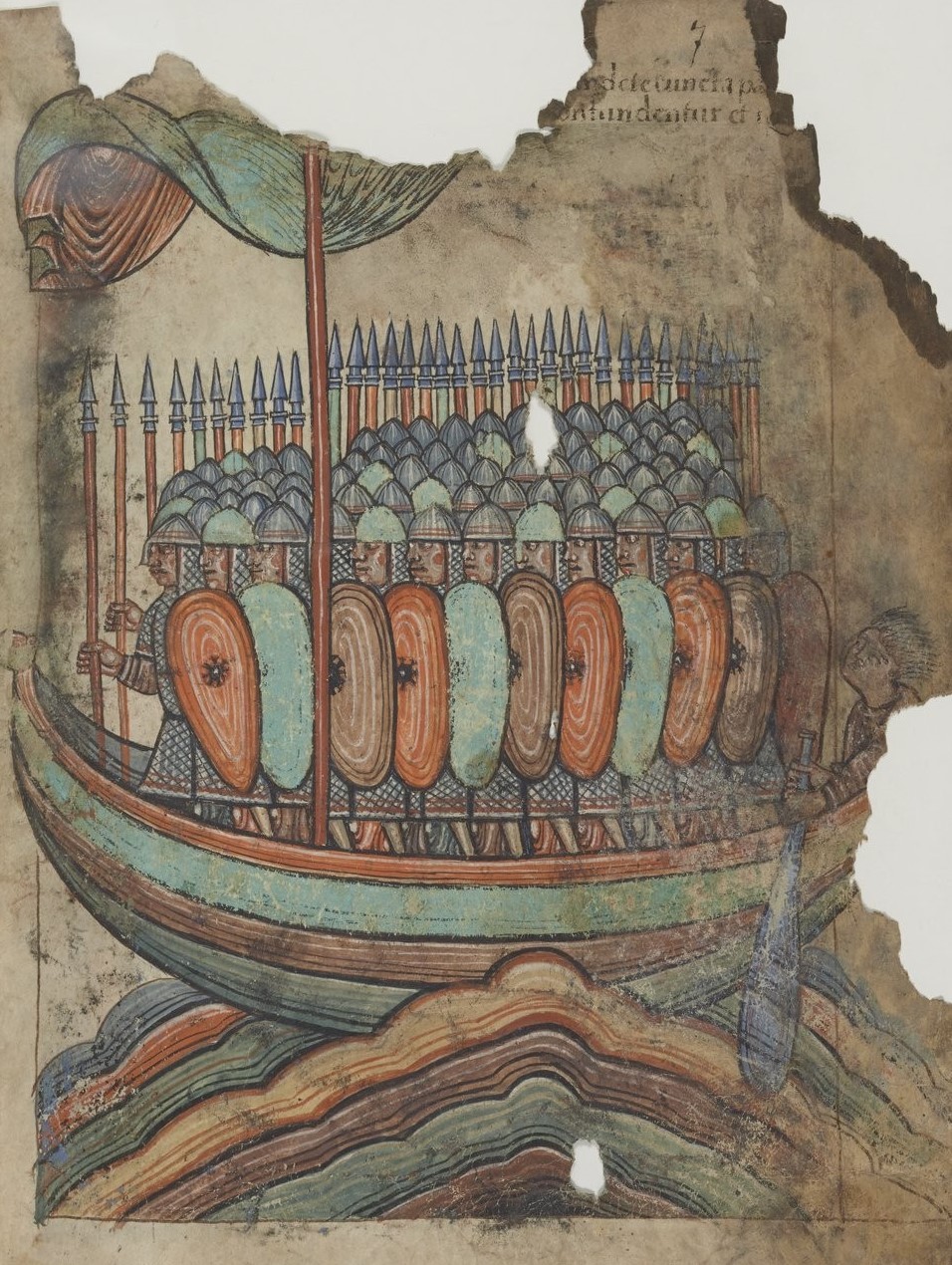
The Vikings were seafaring Norse people from Scandinavia who raided, traded, explored, and settled across much of Europe and beyond between roughly 793 and 1066 AD, a span known as the Viking Age. Far more than mere raiders, they were skilled sailors, traders, and settlers.
The Vikings came from the lands of modern Norway, Sweden, and Denmark. They were not a single nation but many groups of farmers, traders, and warriors who shared a language, gods, and seafaring culture. The word "viking" originally described the act of raiding overseas, but it has come to name the whole people of the age.
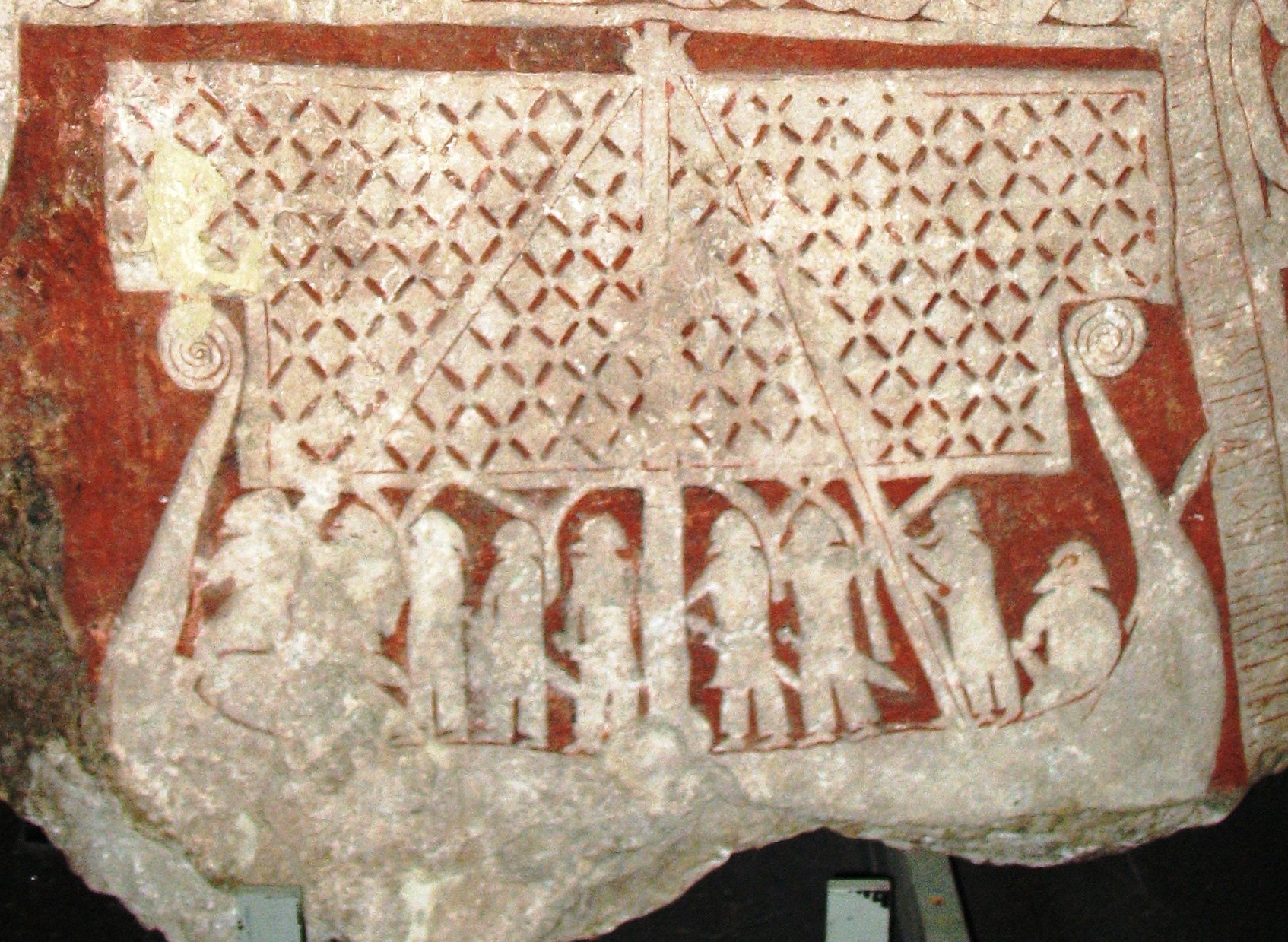
The Vikings' great advantage was their ships. The longship, sleek, fast, and shallow drafted, could cross open ocean and yet sail far up rivers and run straight onto a beach. This let them strike swiftly and reach deep inland, and it carried them across the North Atlantic, an extraordinary range for the age.
The Viking Age is often dated from 793, when raiders sacked the rich monastery at Lindisfarne in England, shocking Christian Europe. For generations afterward, Viking bands fell upon coastal towns and monasteries, seizing treasure, slaves, and tribute. Their sudden, violent raids made them feared across the continent.
Yet the Vikings were also energetic traders, dealing in furs, amber, silver, and slaves, and they founded trading towns across northern Europe. As explorers they were unmatched, settling Iceland and Greenland and, around the year 1000, reaching North America under Leif Erikson, centuries before Columbus.
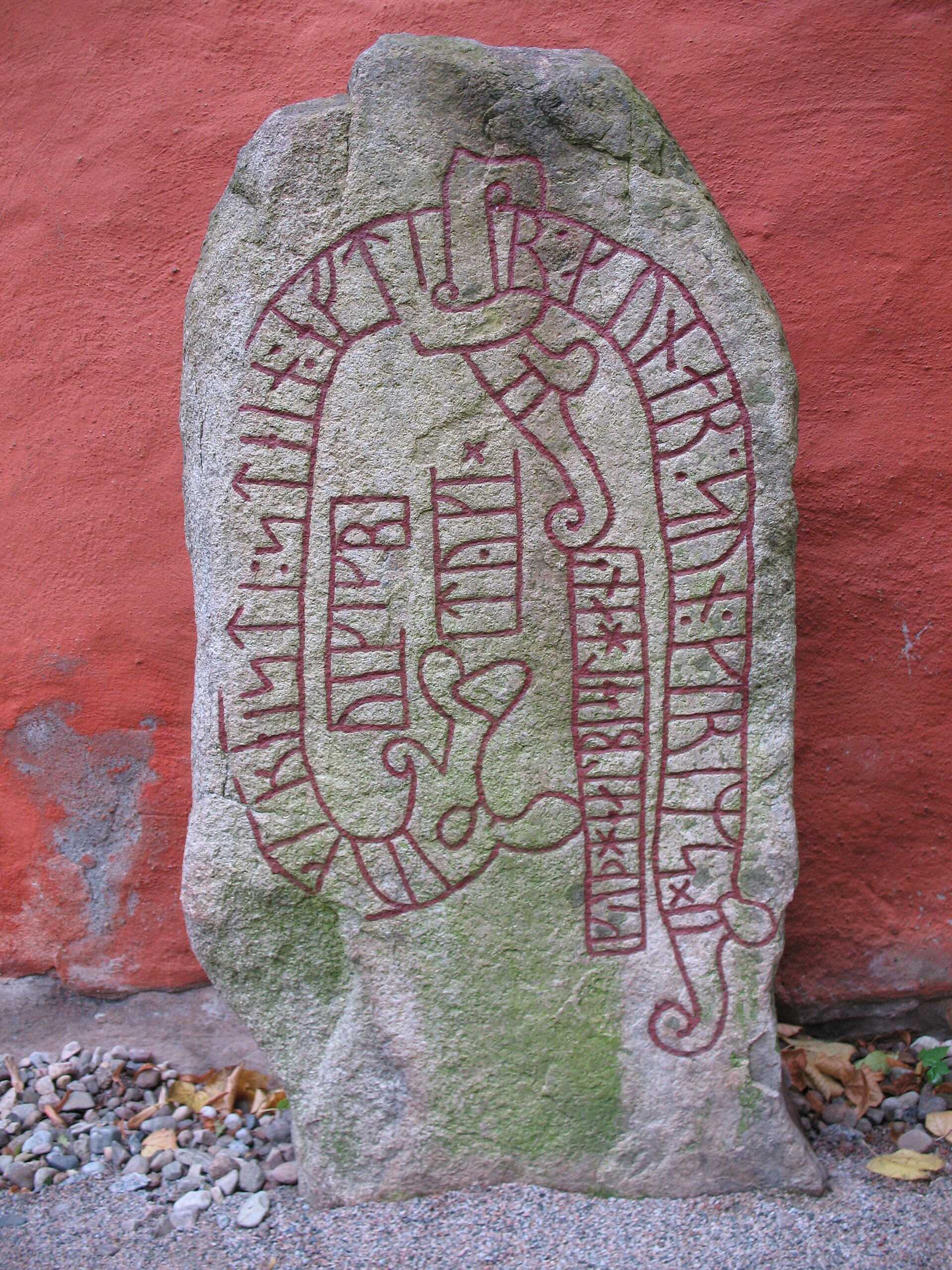
Beyond raiding, the Vikings settled widely and built lasting states. They ruled much of England, founded the duchy of Normandy in France, and pushed along the rivers of Russia, where they helped shape early Russian states. Wherever they settled, they mingled with local peoples and left a deep mark.
Viking society had its own assemblies, where free men gathered to settle disputes and make decisions, an early form of public law. It was a world of farmers, craftsmen, and warriors, of strong family loyalties and feuds, bound together by codes of honour and a rich tradition of storytelling.
The Vikings worshipped gods such as Odin, the wise and fearsome father of the gods, and Thor, the thunder god with his hammer. Their rich mythology, with its world tree and its final battle of Ragnarök, was preserved in the Norse sagas, dramatic tales of gods, heroes, and feuds written down after the age had passed.
The Viking Age faded as kingdoms consolidated, raiding grew harder, and Christianity spread through Scandinavia, softening the old warrior culture. The year 1066, with the failed Norwegian invasion of England, is often taken as its close. But the image of the bold Norse seafarer has fascinated the world ever since.
