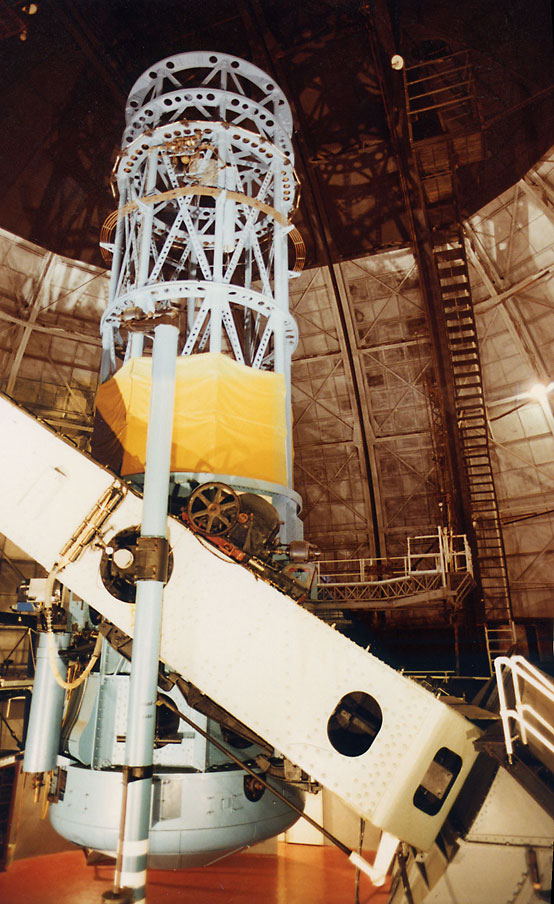
The telescope is an instrument that gathers and focuses light to make distant objects appear closer and clearer. Its invention transformed astronomy, revealing a universe far vaster and stranger than anyone had imagined, and it remains the astronomer's most essential tool.
A telescope's main job is to collect light over a large area and bring it to a focus, gathering far more light than the human eye and revealing faint, distant objects. The larger the lens or mirror, the more light is gathered and the finer the detail that can be seen, which is why major observatories use enormous mirrors.
There are two main designs. Refracting telescopes use lenses to bend light to a focus, while reflecting telescopes use a curved mirror to gather it. Lenses sag and blur colours at large sizes, so nearly all the biggest telescopes are reflectors, using mirrors that can be made far larger and lighter.
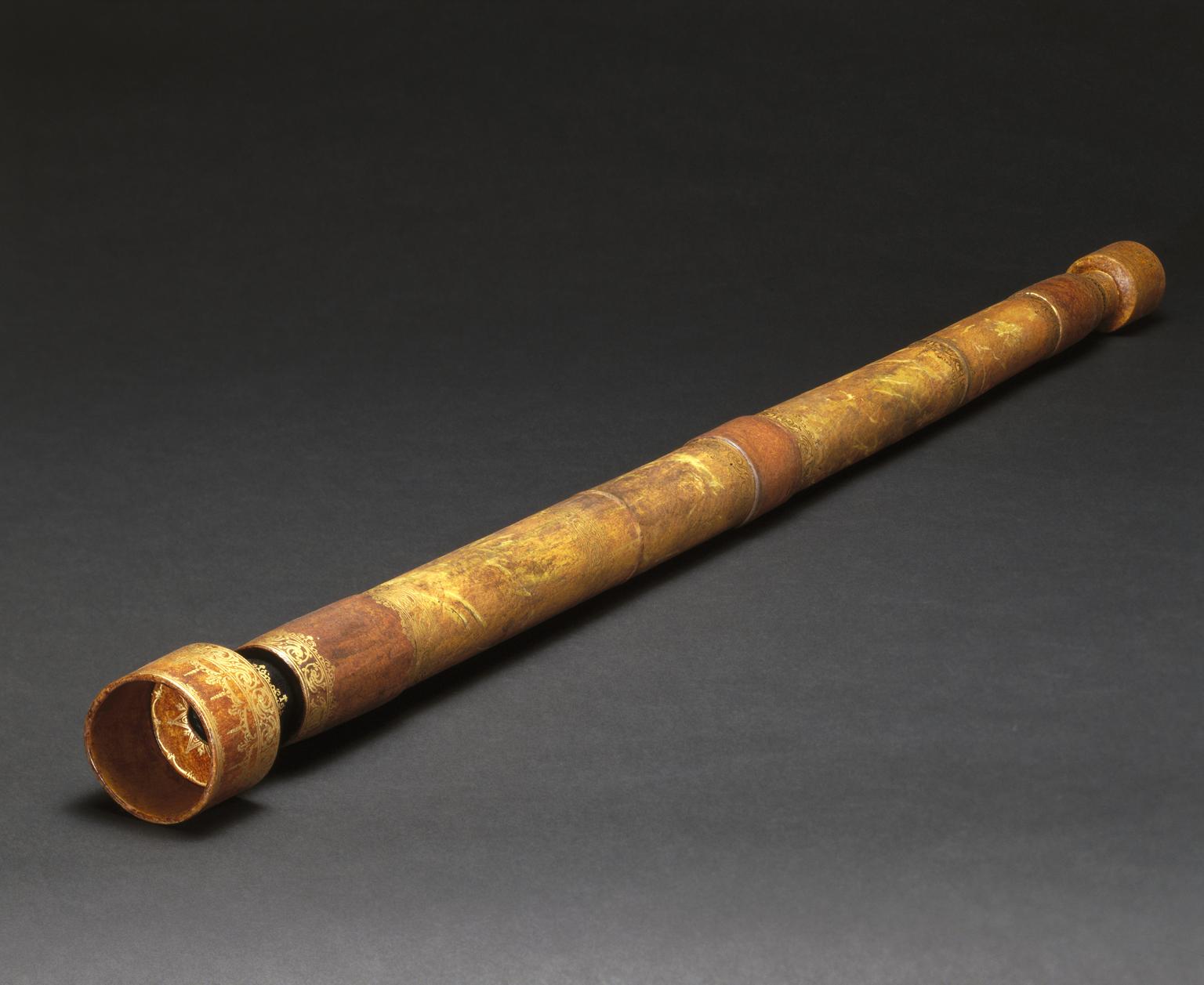
The first practical telescopes appeared in the Netherlands around 1608, made by spectacle makers who discovered that two lenses held apart made distant objects look near. Word of the device spread quickly across Europe, and within a year it would be turned, for the first time, toward the night sky.
In 1609 Galileo Galilei built his own telescopes and pointed them at the heavens. What he saw shattered old certainties: mountains and craters on the Moon, four moons circling Jupiter, the phases of Venus, and countless stars invisible to the naked eye. The telescope had revealed a new and unexpected cosmos.
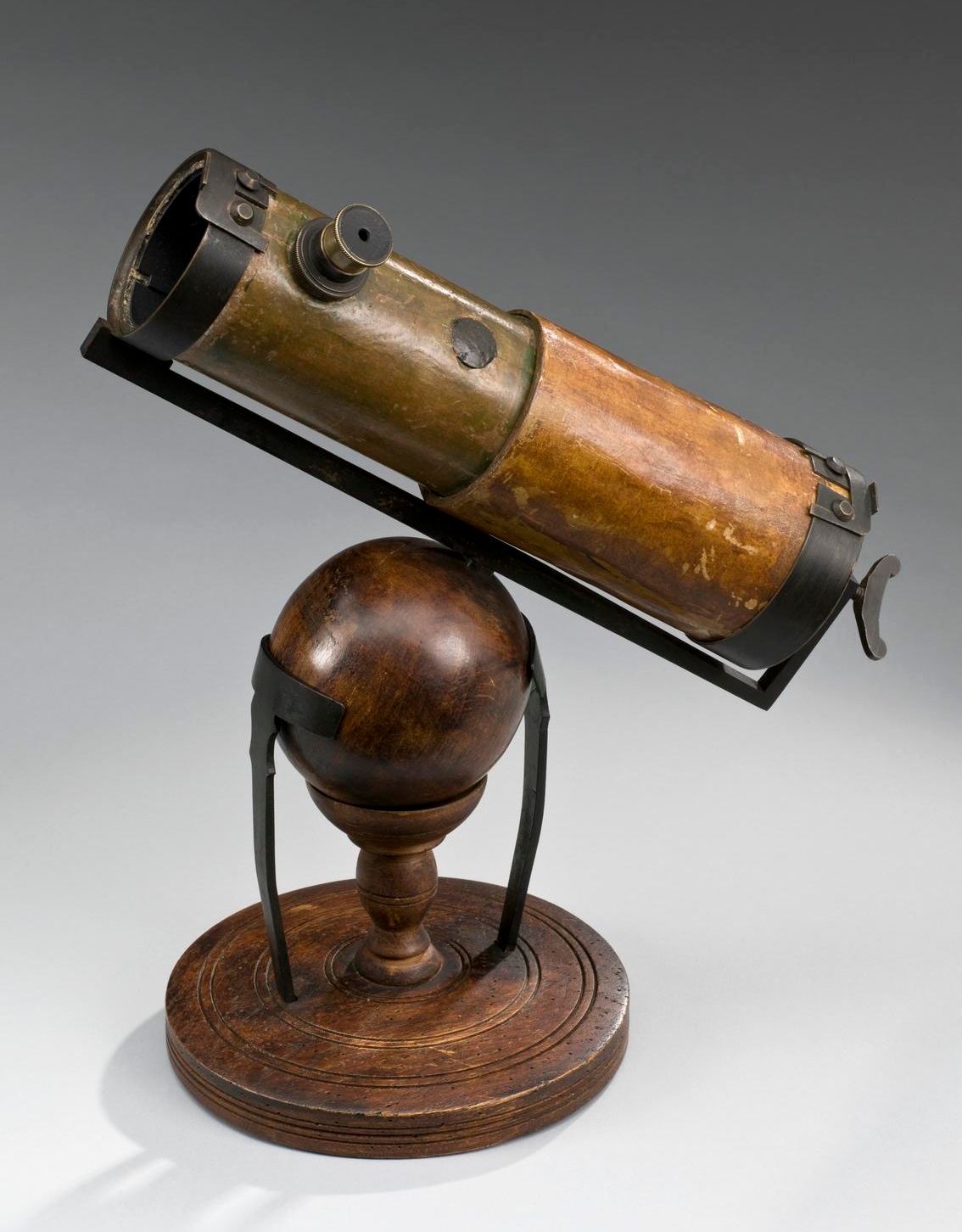
The early refractors blurred images with rings of false colour. Isaac Newton solved the problem by building the first reflecting telescope, using a mirror instead of a lens. This design, free of colour distortion and able to be made very large, underlies most great telescopes built ever since.
Over the centuries telescopes grew steadily more powerful, from Galileo's small tube to giant observatories perched on remote mountaintops, where the air is thin and still. Each leap in size revealed fainter, more distant objects, pushing the boundary of the known universe ever outward.
Telescopes today capture far more than visible light. Radio telescopes detect the faint whispers of distant galaxies, while others sense infrared, ultraviolet, X-rays, and gamma rays, opening windows on the universe that the eye can never see. Each kind of telescope reveals a different face of the cosmos.
Placing telescopes above the blurring, absorbing atmosphere has been a triumph of modern astronomy. The Hubble Space Telescope and its successors peer billions of light years into the cosmos with breathtaking clarity. Each advance has expanded our view, turning the telescope into humanity's great instrument for exploring the universe.
