The Internet is a global system of interconnected computer networks that lets billions of devices around the world communicate and share information. It is one of the most transformative technologies ever created, reshaping how people work, learn, trade, and relate to one another.
At its core, the Internet is a "network of networks": millions of separate networks, from home routers to vast data centres, all agreeing to speak the same digital language so they can pass information between one another. No single company or government owns it. Instead it works because everyone follows shared technical rules, allowing a message to hop across the planet in a fraction of a second.
The Internet's foundational idea is packet switching. Rather than reserving a dedicated line between two points, data is chopped into small chunks called packets, each labelled with its destination. The packets travel independently, taking whatever route is free, and are reassembled at the other end. This makes the network efficient and remarkably robust: if one path fails, packets simply flow around the damage.
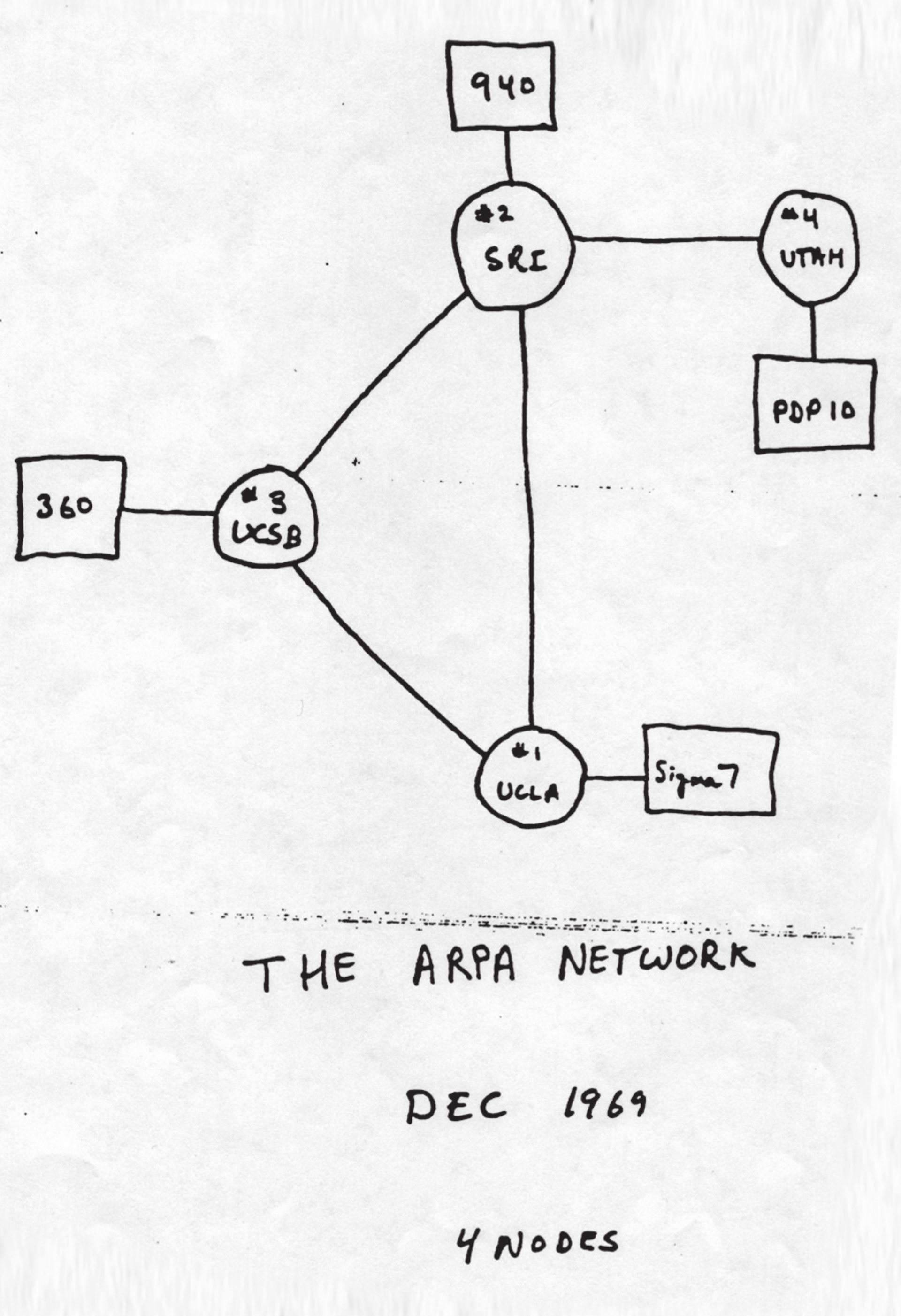
The Internet grew out of research funded by the United States military in the late 1960s. The first network, called ARPANET, connected a handful of university computers and sent its first message in 1969. It was built so that researchers could share scarce, expensive computers, and so that communication could survive disruption, an early hint of the resilience that would define the network.
Through the 1970s, engineers developed a shared set of protocols known as TCP/IP, which became the common language that let any network join the whole. The Internet Protocol gives every device an address, while the Transmission Control Protocol makes sure packets arrive complete and in order. These quiet, invisible rules are what knit the global network together.
In 1989 the British scientist Tim Berners-Lee invented the World Wide Web, a way to link documents with hyperlinks and view them through a browser. Crucially, the Web is not the same as the Internet: the Internet is the underlying network, while the Web is one service running on top of it. The Web made the Internet easy for ordinary people, and it spread with astonishing speed.
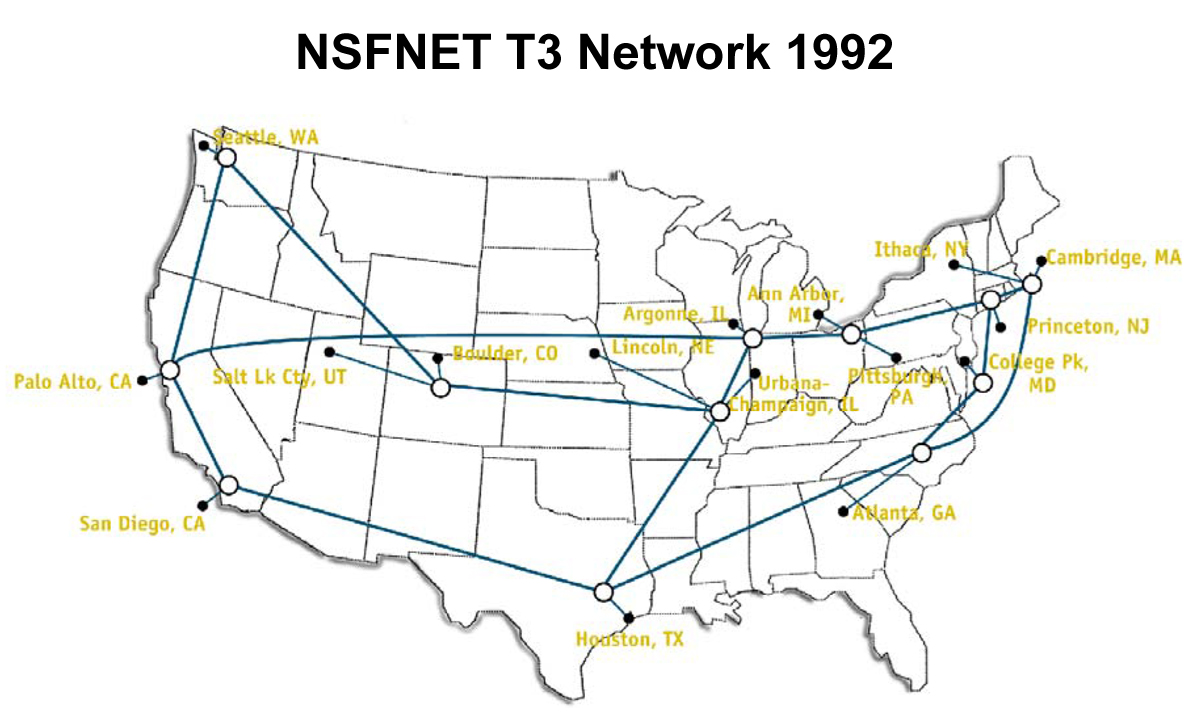
For all its abstraction, the Internet is deeply physical. Data races through hundreds of thousands of kilometres of fibre optic cable, including great bundles laid across the ocean floor that carry almost all intercontinental traffic. Wireless links, satellites, and giant warehouses full of servers, called data centres, complete the picture. The "cloud" is, in truth, made of very real machines.
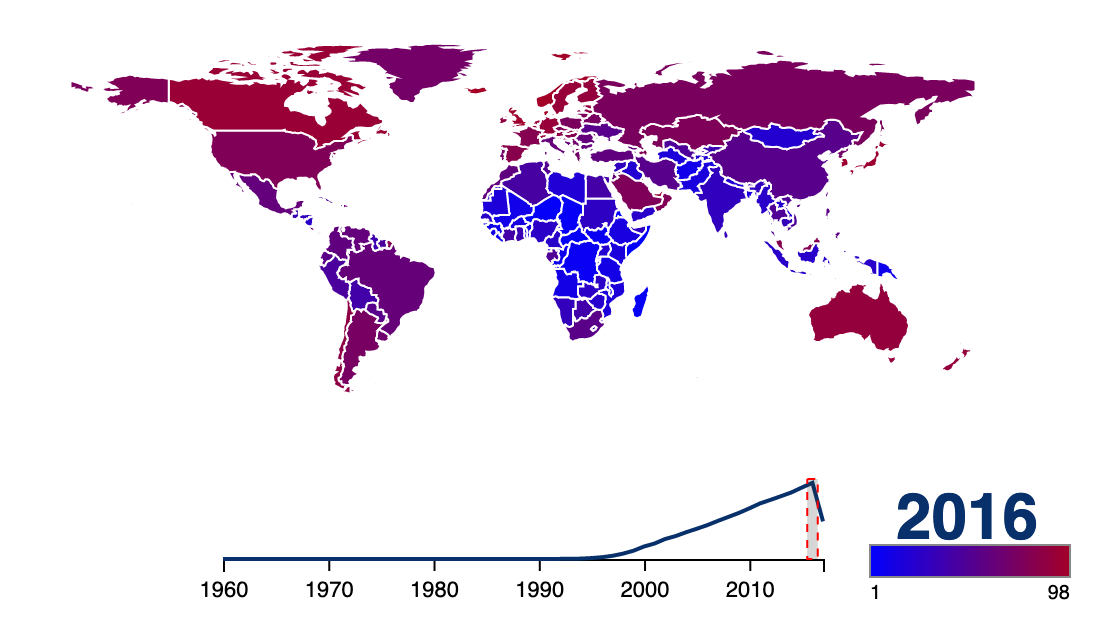
Today the Internet carries email, video, commerce, banking, social media, and much of human knowledge. More than half the world's population is now online. It has created entire industries and toppled others, transformed how we shop, date, learn, and govern, and made instant global communication an ordinary part of daily life.
The same network that connects has also raised hard problems. Misinformation spreads as fast as fact, privacy is constantly eroded, and cybercrime has become a global industry. The "digital divide" leaves billions with poor access or none at all. Debates over who controls the network, and how it should be governed, have become central questions of our age.
The Internet keeps evolving, from faster mobile networks to billions of connected everyday objects and the rise of artificial intelligence built on its data. Few inventions have spread so far, so fast, or touched so many lives. Barely half a century old, it has already become part of the basic infrastructure of modern civilization.
