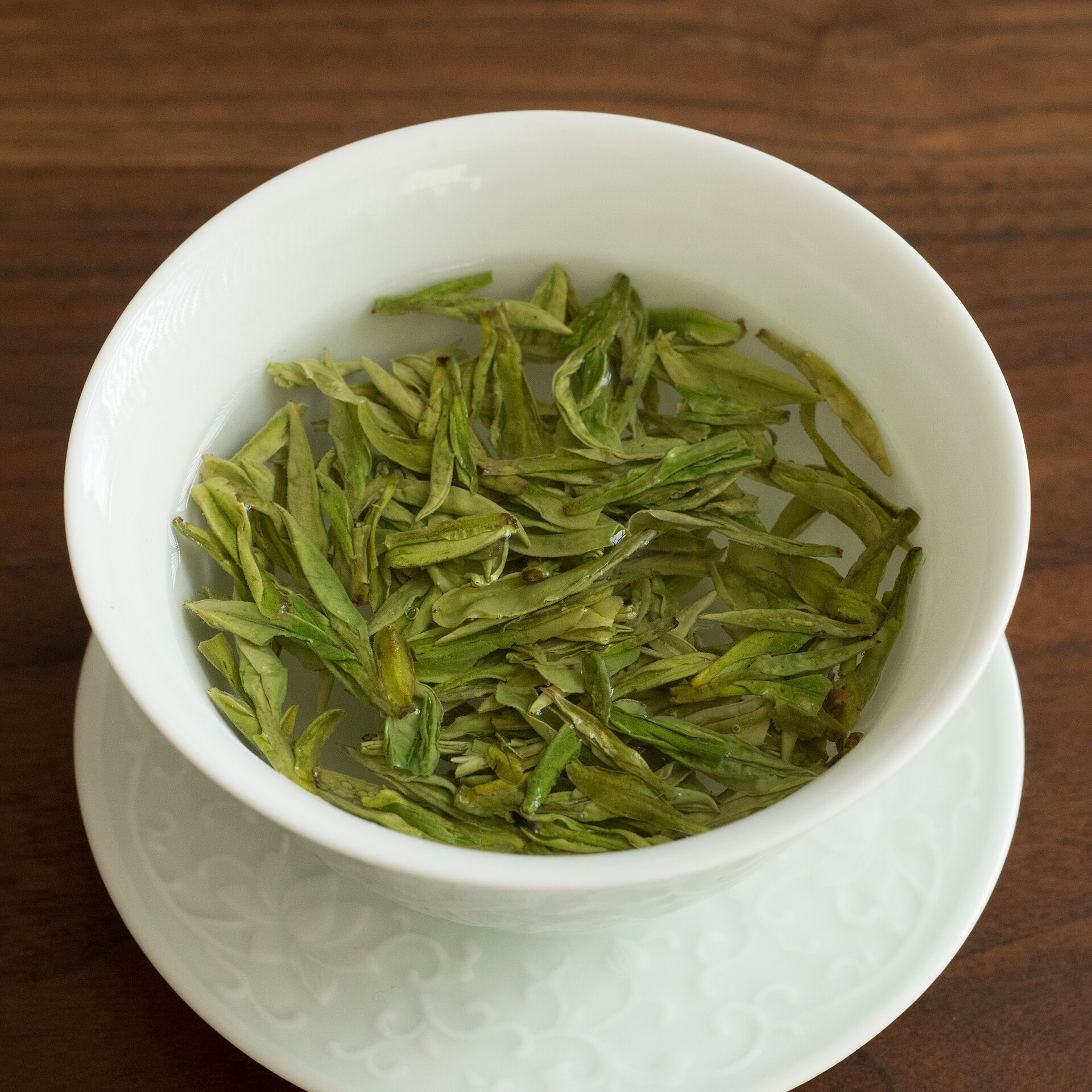
Tea is a drink made by steeping the cured leaves of the tea plant in hot water. After plain water, it is the most widely consumed beverage in the world, woven deeply into the cultures of countless societies for thousands of years.
All true tea, green, black, white, and oolong, comes from a single species, Camellia sinensis. The differences between them come from how the leaves are processed after picking, especially how much they are allowed to oxidize. The same bush, treated differently, can yield a delicate green tea or a robust black one.
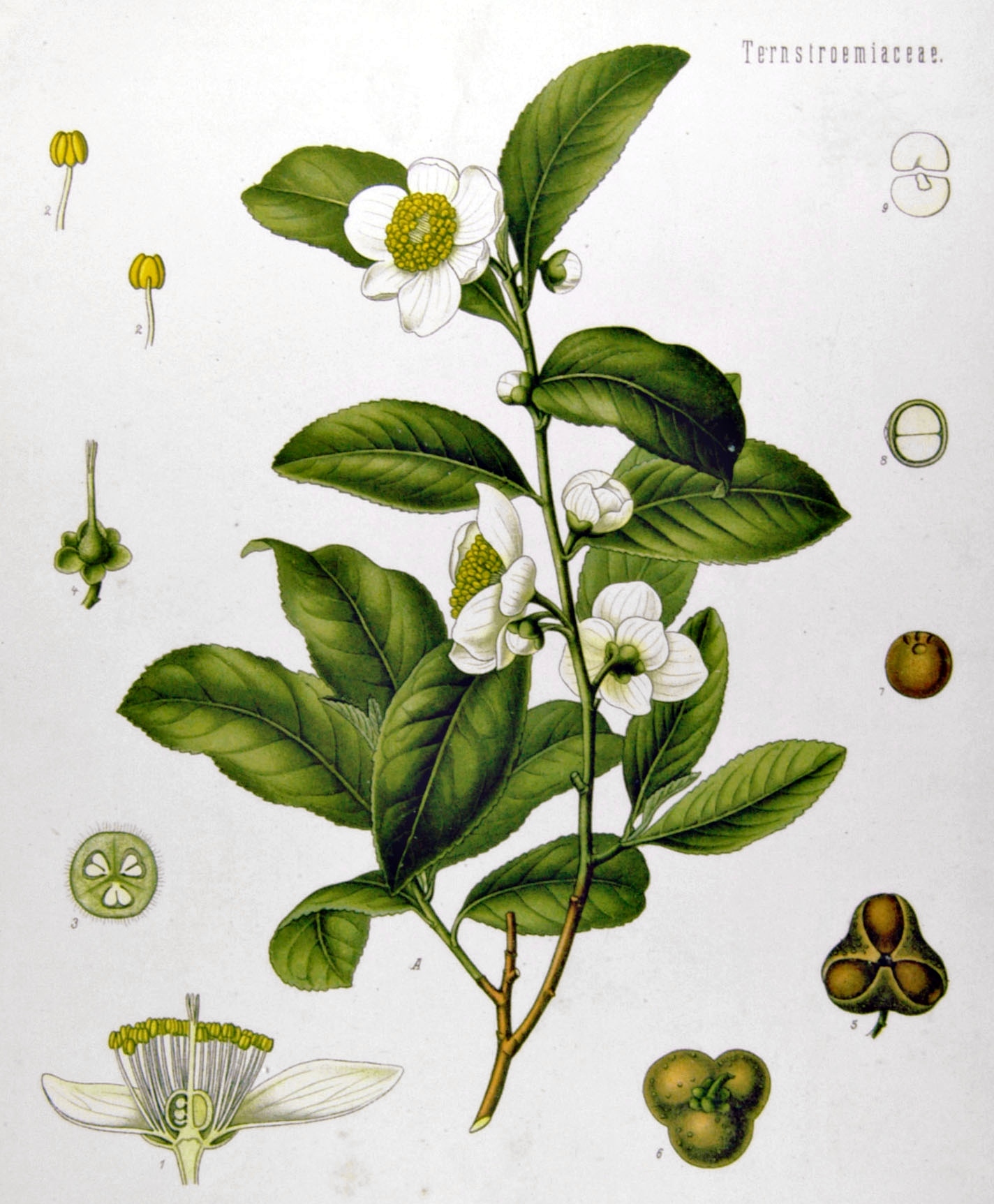
Green tea is barely oxidized, keeping its fresh, grassy character. Black tea is fully oxidized, turning dark and developing a stronger, maltier flavour. Oolong sits between the two, and white tea is the least processed of all. Herbal "teas," by contrast, are not tea at all but infusions of other plants.
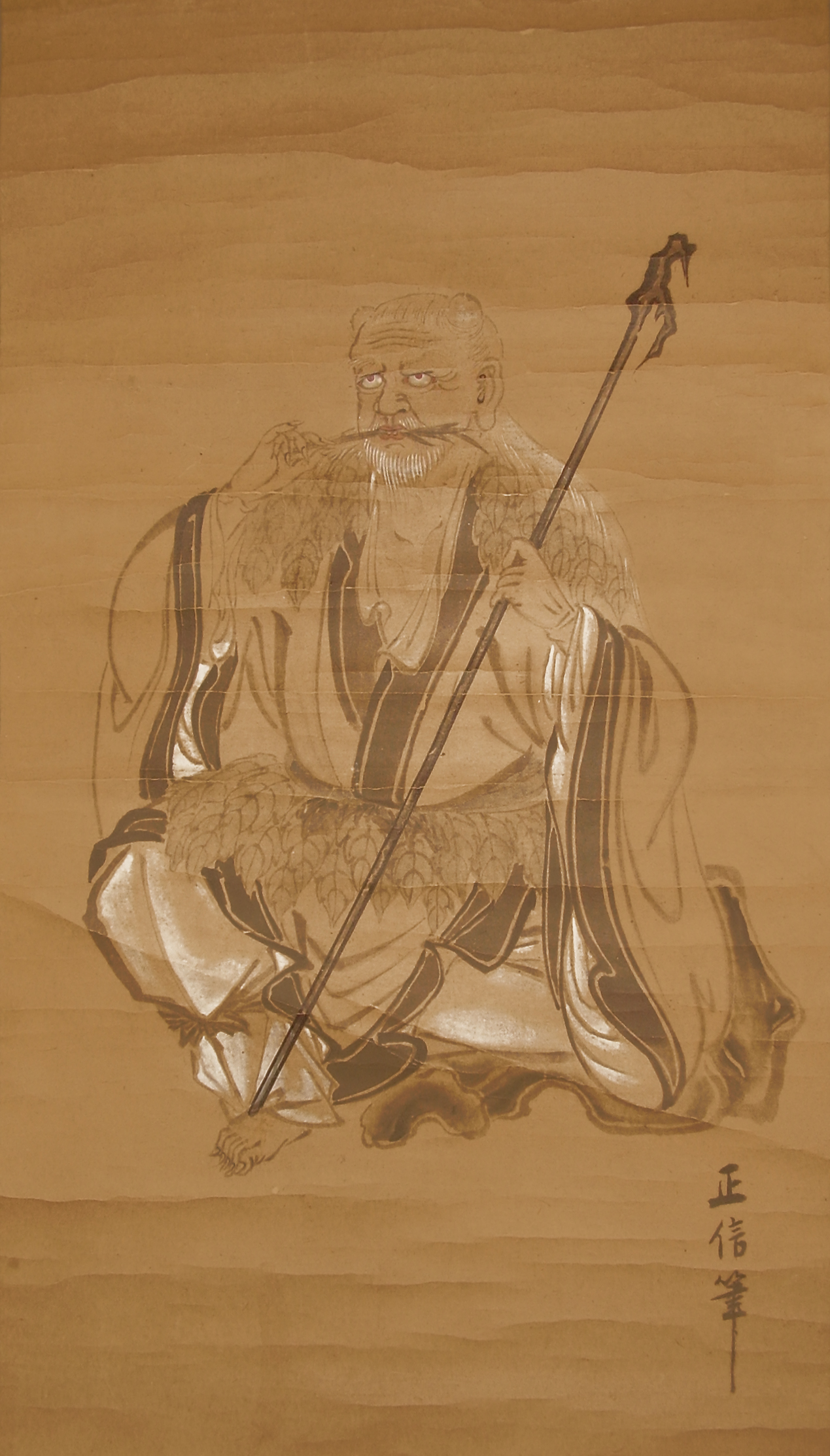
Tea drinking began in China, where legend credits its discovery thousands of years ago to an emperor, Shen Nong, when leaves blew into his boiling water. Whatever the truth, tea became central to Chinese life, valued as a medicine, a stimulant, and a pleasure, and surrounded by refined customs of preparation.
From China, tea spread across East Asia, and in Japan it inspired the elaborate tea ceremony, a ritual of preparing and serving powdered green tea with great care and mindfulness. In this tradition tea became more than a drink, a path to calm, beauty, and spiritual discipline.
Tea reached Europe in the seventeenth century, brought by traders, and became hugely popular, above all in Britain, where it grew into a national institution complete with its own rituals of milk, sugar, and afternoon tea. The British thirst for tea would have far reaching consequences around the world.
Tea shaped history. The British East India Company built an empire of trade around it, and a tax on tea helped spark the American Revolution, with colonists dumping cargoes into Boston harbour. The demand for tea also drove the spread of vast plantations across colonial Asia and Africa.
Today tea is grown across a band of tropical and subtropical countries, from India and Sri Lanka to Kenya and beyond, picked largely by hand on hillside estates. It remains a major crop and a livelihood for millions, its quality shaped by soil, altitude, and the skill of those who tend and process it.
From a tiny Japanese ceremony to a builder's mug of strong British tea, the drink is enjoyed in countless forms across the world, each with its own customs. Few drinks are so simple to make yet so rich in history, ritual, and meaning, connecting cultures across thousands of years and miles.
