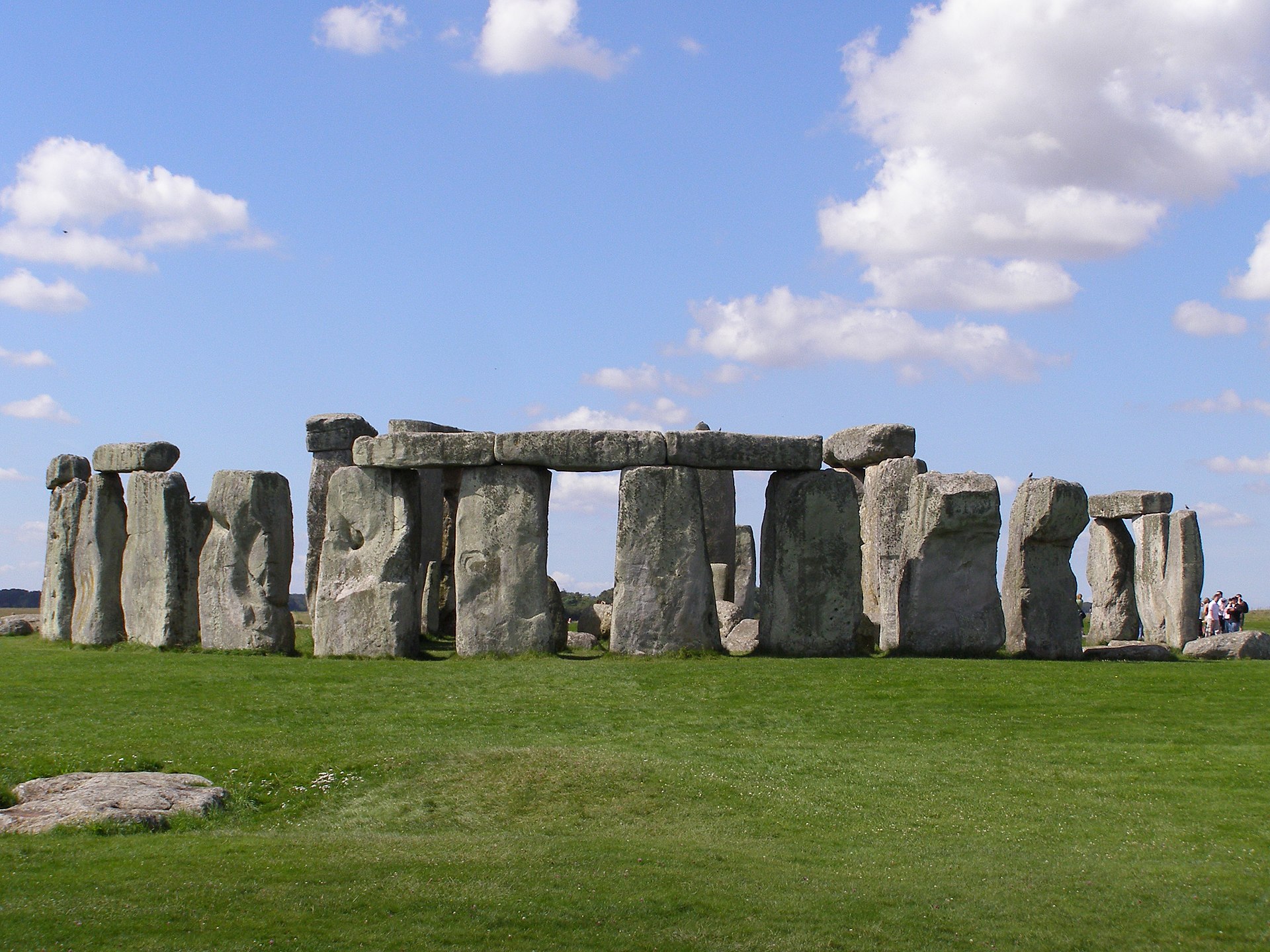
Stonehenge is a prehistoric stone monument on Salisbury Plain in southern England, a ring of enormous standing stones raised some four to five thousand years ago. One of the most famous and mysterious ancient sites in the world, it has fascinated and puzzled people for centuries, and despite a great deal of study, much about it remains unknown.
Stonehenge is built from two main types of stone. The largest are the sarsens, immense blocks of local sandstone weighing up to around 25 tonnes, set in a great circle and capped with horizontal lintels, with a horseshoe of even larger sarsen pairs inside.
Among and within the sarsens stand the smaller bluestones, which, remarkably, were brought from the Preseli Hills in Wales, some 200 kilometres away. How a Neolithic society moved stones of that size over such distances, without metal tools or the wheel as we know it, is one of the monument's enduring puzzles.
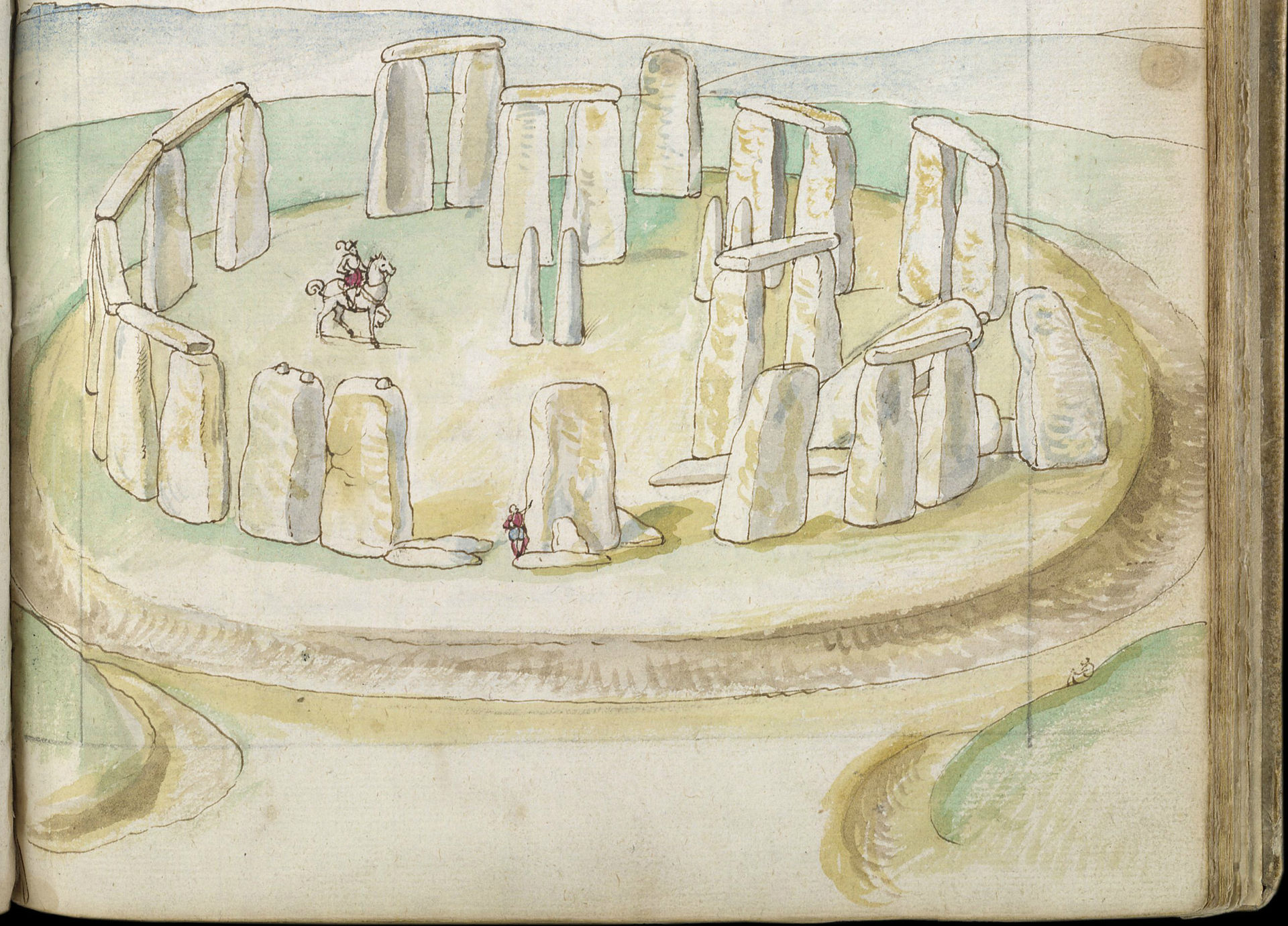
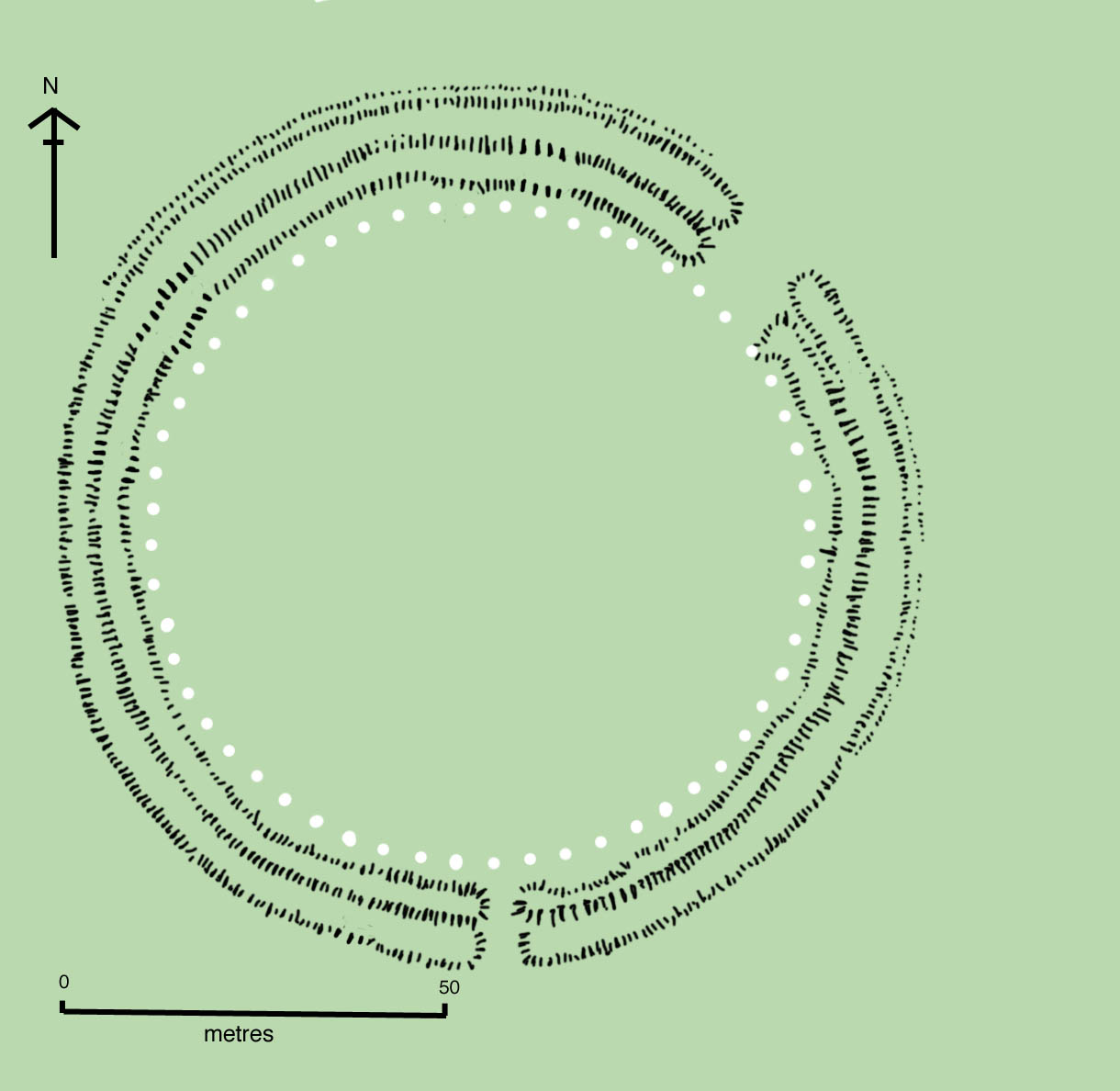
Stonehenge was not raised all at once. It was built and rebuilt in stages over many centuries, beginning around 3000 BC with a circular earthwork of bank and ditch, with the great stones erected several centuries later.
This long history means the monument we see is the product of generations of effort by a society that left no writing, so everything we know comes from the stones, the earthworks, and what archaeologists find buried around them.
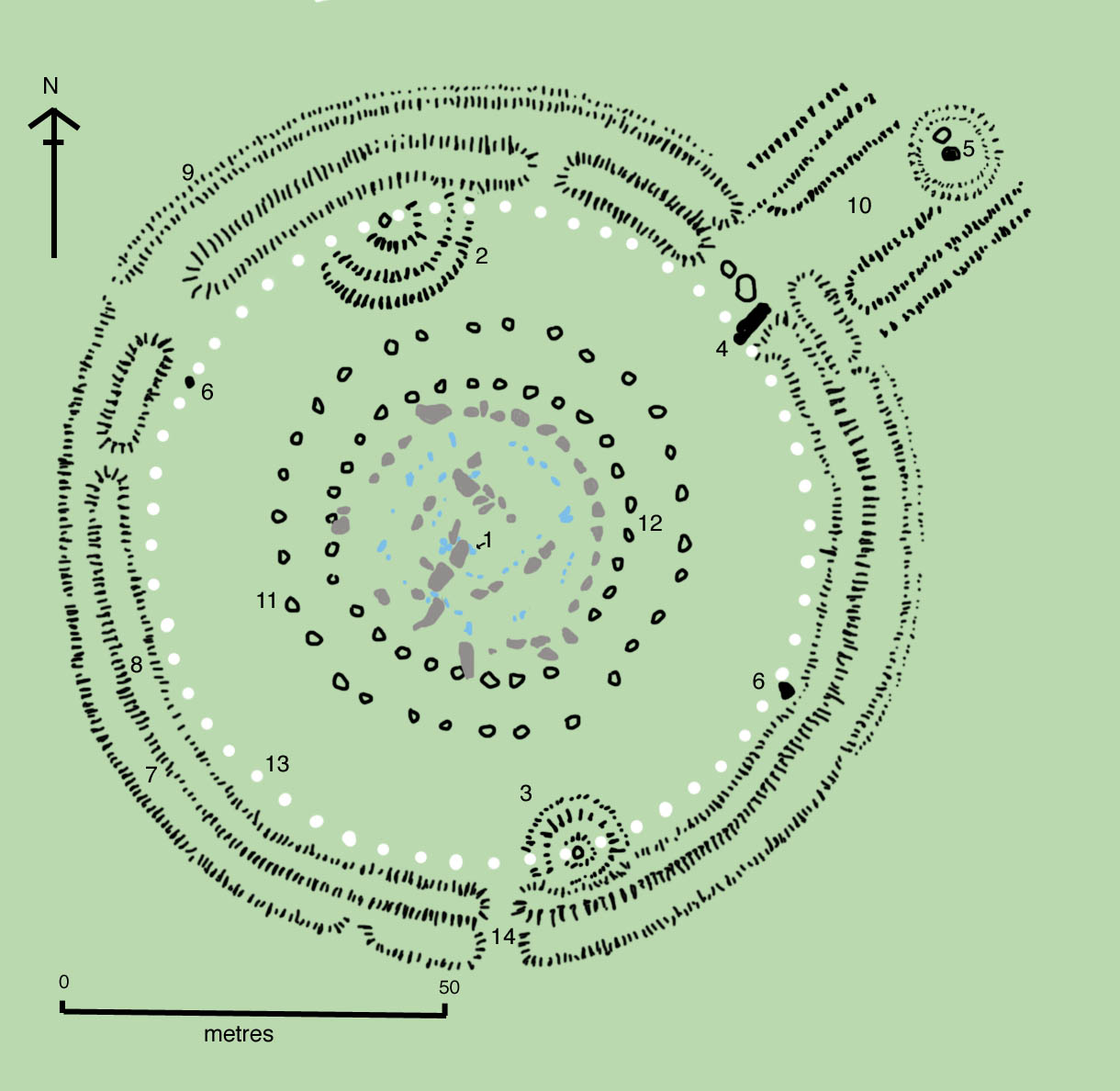
One thing is clear: Stonehenge is aligned with the movements of the sun. Its main axis points toward the sunrise at the midsummer solstice and the sunset at midwinter, and the solstices still draw crowds who gather to watch the sun rise and set in line with the ancient stones.
This alignment suggests the monument was, among other things, a kind of vast calendar or ceremonial centre tied to the turning of the year. Its full purpose, temple, burial ground, gathering place, or all of these at once, is still debated, and excavations have shown it was also a place where the dead were buried and honoured.
Stonehenge is one of Britain's most treasured sites, a UNESCO World Heritage Site set within a wider prehistoric landscape rich in burial mounds and other monuments. It draws hundreds of thousands of visitors a year, and the challenge of protecting the fragile site while allowing people to experience it continues to shape how it is managed. After thousands of years, the silent ring of stones still stands, keeping its secrets.
