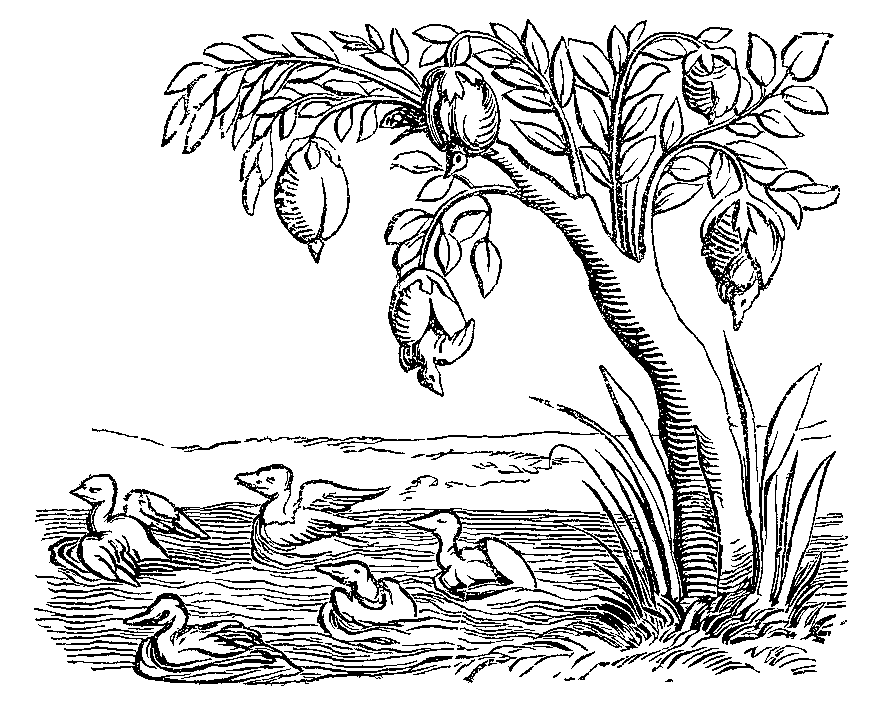
Spontaneous generation was the long held belief that living organisms could arise directly from non living matter. People thought maggots formed from rotting meat, mice from stored grain, and, in one famous medieval claim, that geese hatched from barnacles. It was finally disproven through careful experiment, and its fall cleared the way for modern biology.
For more than two thousand years, from Aristotle onward, spontaneous generation seemed simply obvious. Decaying material really did appear to spawn flies and worms within days, and without microscopes or any understanding of eggs, spores, and microbes, there was no clear reason to doubt that life could bubble up from non living stuff.
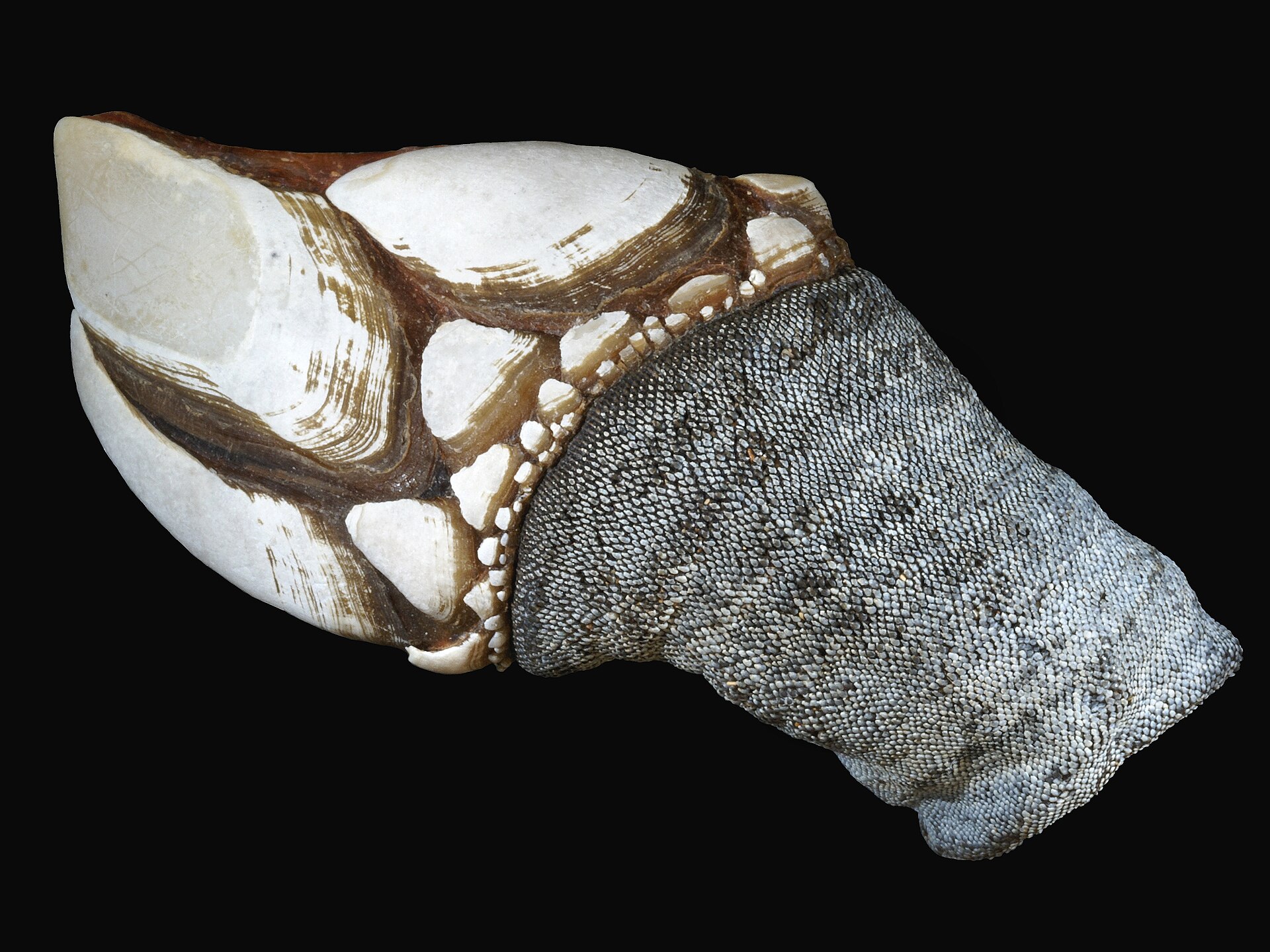
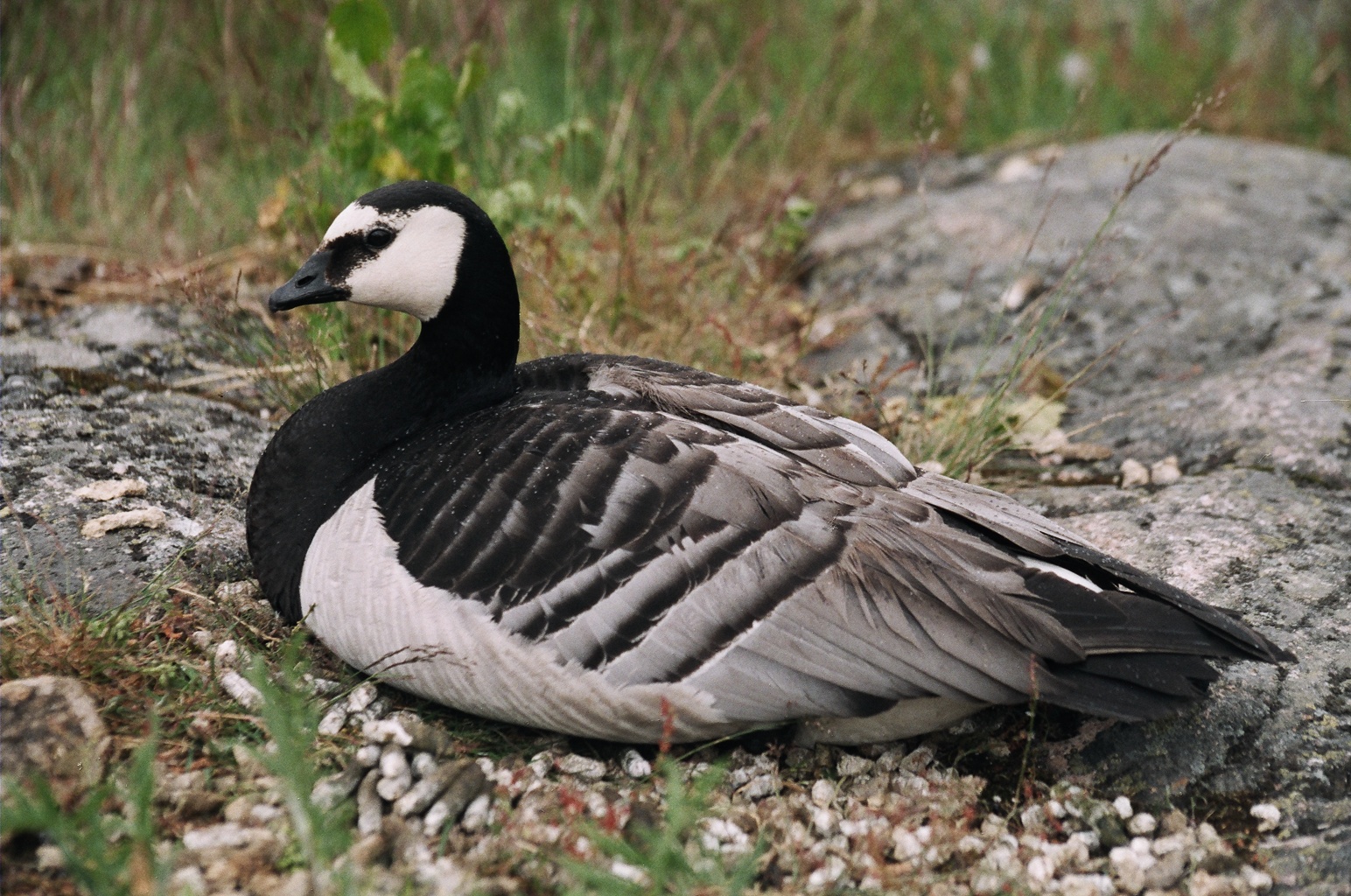
Some versions of the belief were strikingly specific. The barnacle goose myth held that the birds grew from goose barnacles found clinging to driftwood, a confusion encouraged by the fact that no one in Europe had seen the geese, which actually breed in the remote Arctic, build a nest or lay an egg.
The undoing of the idea came in two great steps. In the seventeenth century, Francesco Redi covered jars of meat with gauze and showed that maggots appeared only when flies could reach the meat to lay their eggs. Sealed jars stayed maggot free, a simple but decisive blow against the idea that the meat itself produced the life.
Two centuries later, Louis Pasteur delivered the final blow with his swan neck flasks. Broth left open to dust grew microbes, while the same broth in a flask whose long curved neck trapped dust stayed sterile indefinitely. Life, he showed, came only from prior life, even at the scale of microorganisms too small to see.
The fall of spontaneous generation established one of the central principles of biology, that all living things come from other living things. It was essential groundwork for germ theory, for an understanding of reproduction and cells, and for modern medicine.
The episode remains one of the cleanest examples in history of how a carefully designed experiment can settle a question that centuries of argument could not. Redi and Pasteur did not simply assert that they were right; they built situations in which the old idea, if true, would have produced visible life, and then showed that it did not.
