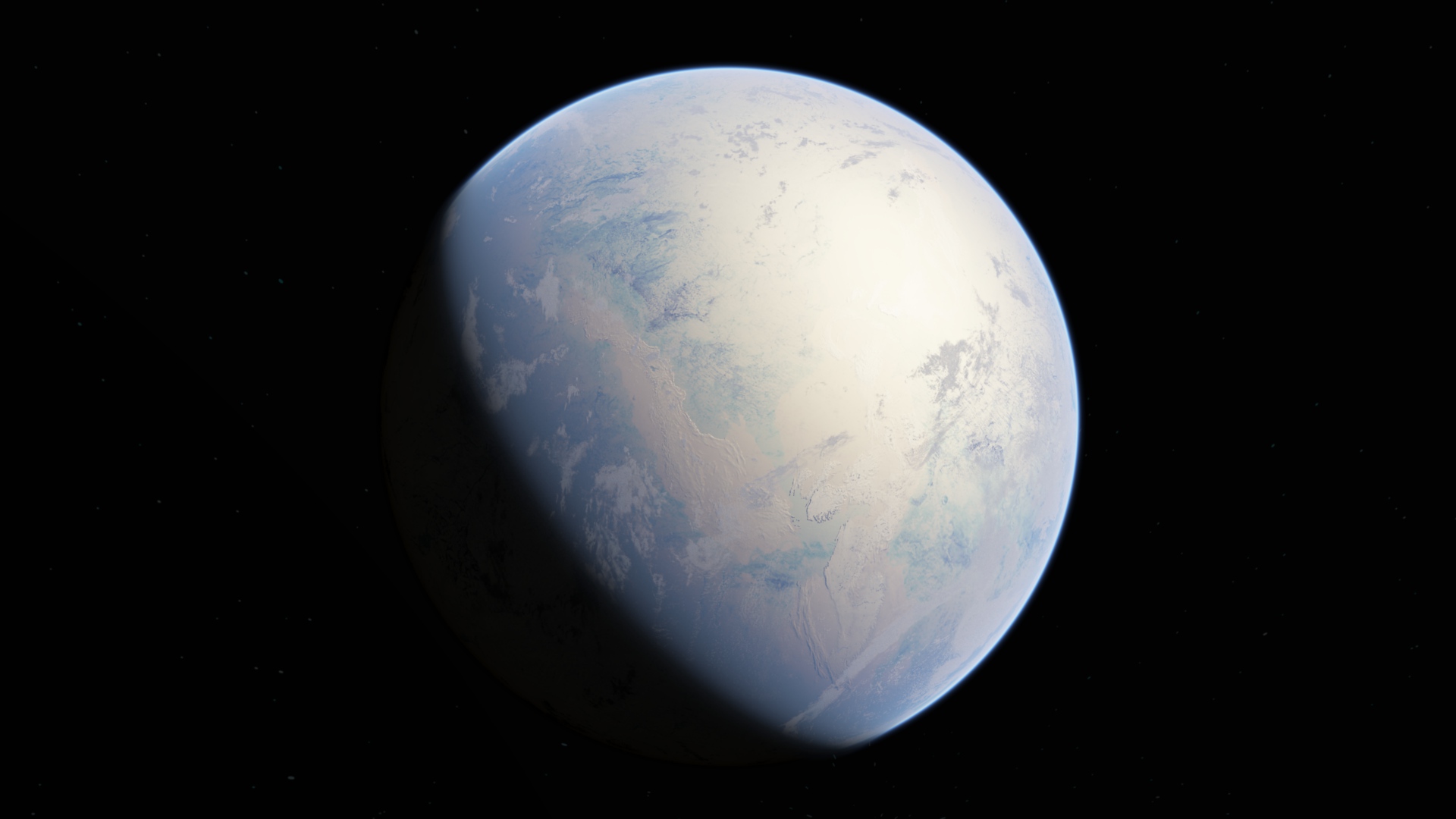
Snowball Earth is the hypothesis that, on one or more occasions in the distant past, our planet froze over almost completely, with ice reaching from the poles all the way to the equator. It is a dramatic and influential idea, supported by striking evidence but still debated.
The hypothesis proposes that hundreds of millions of years ago, during the Neoproterozoic era, runaway cooling turned Earth into a vast ball of ice and snow. Glaciers crept from the poles toward the equator until the whole planet, or nearly all of it, was locked in a deep, white freeze.
Once ice spreads far enough, it can trigger its own runaway. White ice reflects sunlight back into space, so the more ice there is, the colder the planet grows, and the more ice forms. The hypothesis suggests Earth crossed this tipping point, plunging into a freeze that fed on itself and lasted for millions of years.
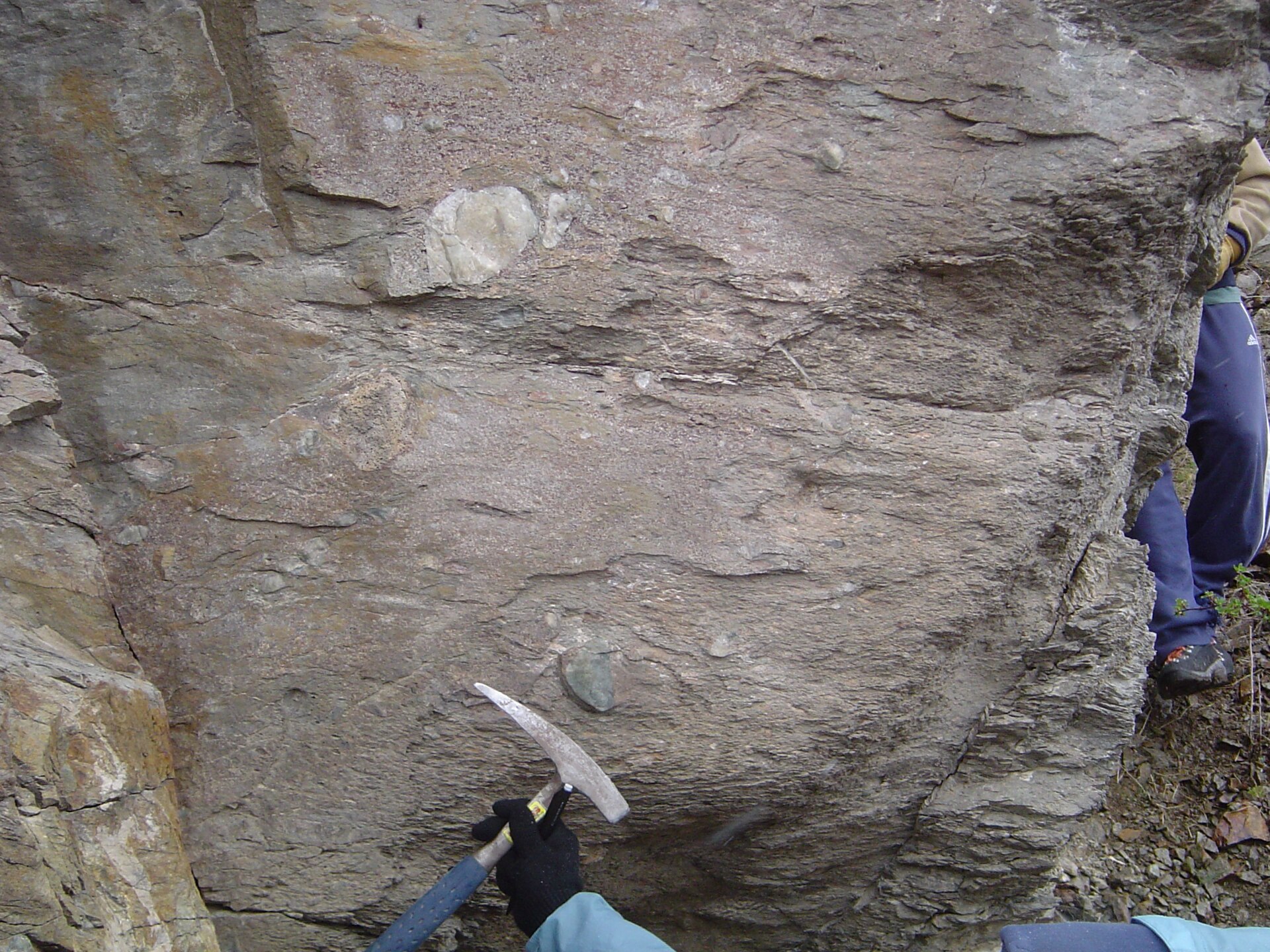
Geologists find glacial deposits, rocks ground and dropped by moving ice, that appear to have formed near the equator hundreds of millions of years ago. If ice really reached the tropics, the planet must have been extraordinarily cold. These tropical glacial rocks are the central evidence for the hypothesis.
A frozen planet poses a puzzle: how could it ever warm up again, when its bright ice reflects away the Sun's heat? The hypothesis answers that volcanoes kept erupting through the ice, slowly building up carbon dioxide in the atmosphere until a powerful greenhouse effect finally overwhelmed the freeze and melted it, perhaps quite suddenly.
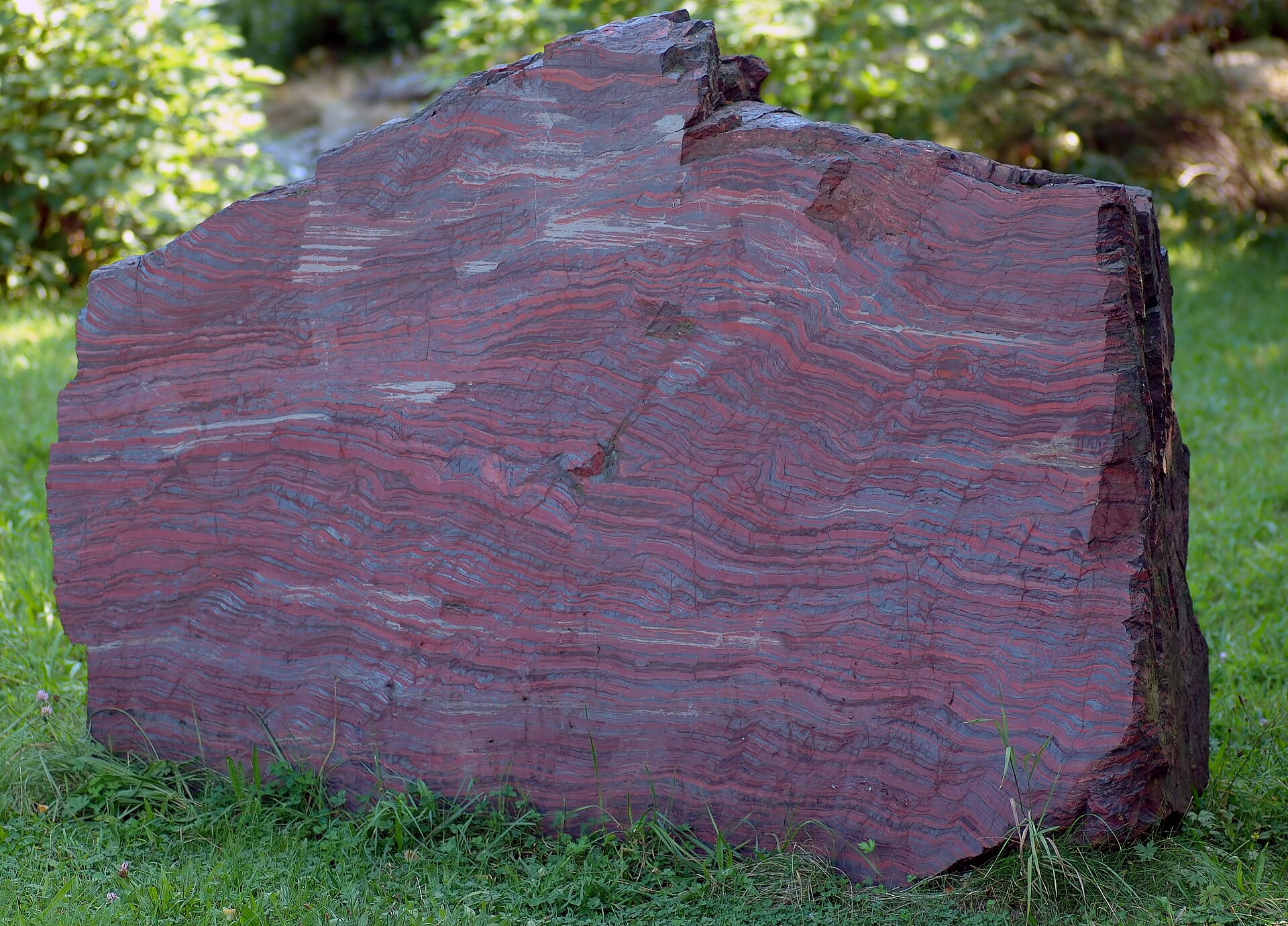
Other clues come from chemistry. Strange iron rich rock formations suggest oceans starved of oxygen, as might happen if a global ice cover sealed off the seas from the air. And sharp swings in the chemical record hint at dramatic upheavals in the carbon cycle, consistent with a planet freezing and then rapidly thawing.
Snowball Earth episodes occurred just before a great flourishing of complex life. Some scientists suggest that the extreme stress of global freezing, followed by rapid warming, may have driven evolutionary change, perhaps helping to set the stage for the explosion of animal life that followed.
Not everyone agrees the planet froze completely. Some scientists favour a milder "slushball" version, in which a belt of open water survived around the equator. This would help explain how early life endured the catastrophe, since a fully frozen ocean would have been a harsh place for life to survive.
Snowball Earth is taken seriously, but the timing, the extent, and the exact causes of these ancient freezes are still being worked out, and the evidence can be read in more than one way. Whether Earth truly became a snowball, or only a slushball, remains a vivid and genuinely active area of research.
