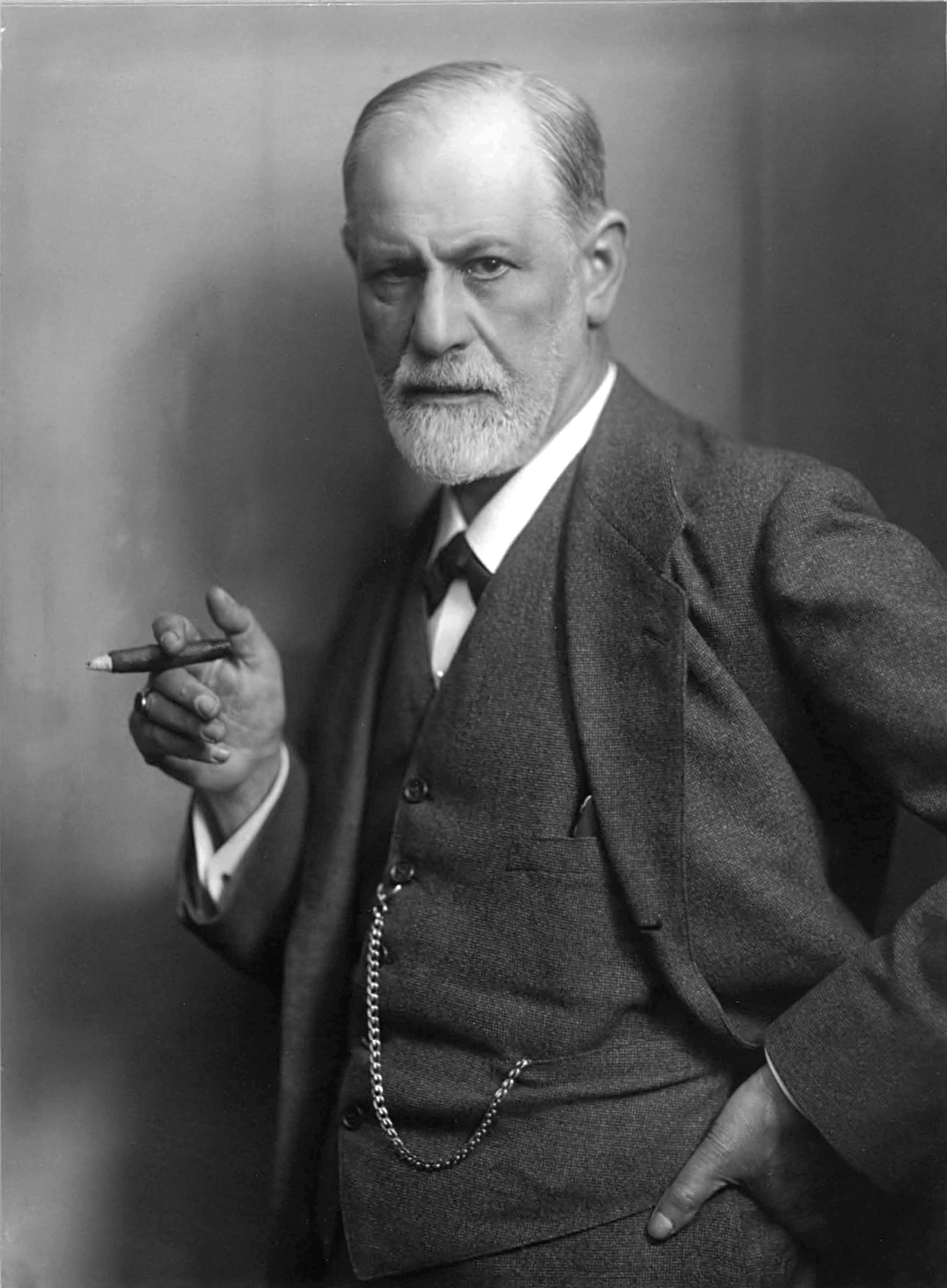
Sigmund Freud (1856 to 1939) was an Austrian neurologist who founded psychoanalysis, a revolutionary and controversial approach to understanding the human mind. Though many of his specific ideas are now disputed, his influence on psychology and culture has been immense.
Freud trained as a physician and neurologist in Vienna, studying the nervous system, before turning his attention to the mysteries of the mind and mental illness. Working with patients suffering from conditions that had no clear physical cause, he began to develop radical new ideas about how the mind works.
Freud's central idea was that much of the mind is unconscious, hidden from our awareness, yet powerfully shaping our thoughts, feelings, and behaviour. Beneath the surface of conscious thought, he proposed, lies a hidden realm of buried desires and memories that influence us in ways we do not recognize.
Freud held that childhood experiences, especially early ones, profoundly shape the adult personality, and that desires and conflicts buried in childhood continue to influence us throughout life. This emphasis on the formative power of early years was a striking and influential part of his thinking.
Freud developed a method of treatment, "talking therapy," in which patients freely explore their thoughts, memories, and dreams to uncover the hidden forces troubling them. This idea, that talking through one's inner life could heal the mind, laid the foundation for modern psychotherapy.

Freud divided the mind into competing parts: the impulsive id, driven by basic desires; the moral superego, the voice of conscience; and the mediating ego, which balances them against reality. This dramatic model of an inner struggle gave us a new way of picturing the divided self.
Freud believed dreams were a "royal road" to the unconscious, disguised expressions of hidden wishes, and that slips of the tongue and small everyday mistakes could reveal buried thoughts. He gave us terms like the unconscious, repression, and the ego that have entered everyday language.
Modern psychology has rejected or heavily revised many of Freud's specific claims, which are difficult or impossible to test scientifically, and his methods are no longer mainstream. Critics argue that much of his theory rests on interpretation rather than evidence, and his standing as a scientist is sharply debated.
Yet Freud's influence is undeniable. He transformed how people think about the mind, childhood, sexuality, dreams, and the hidden depths of the self, and shaped psychology, psychiatry, literature, art, and everyday language. Few thinkers, right or wrong in their details, have so deeply marked modern culture.
