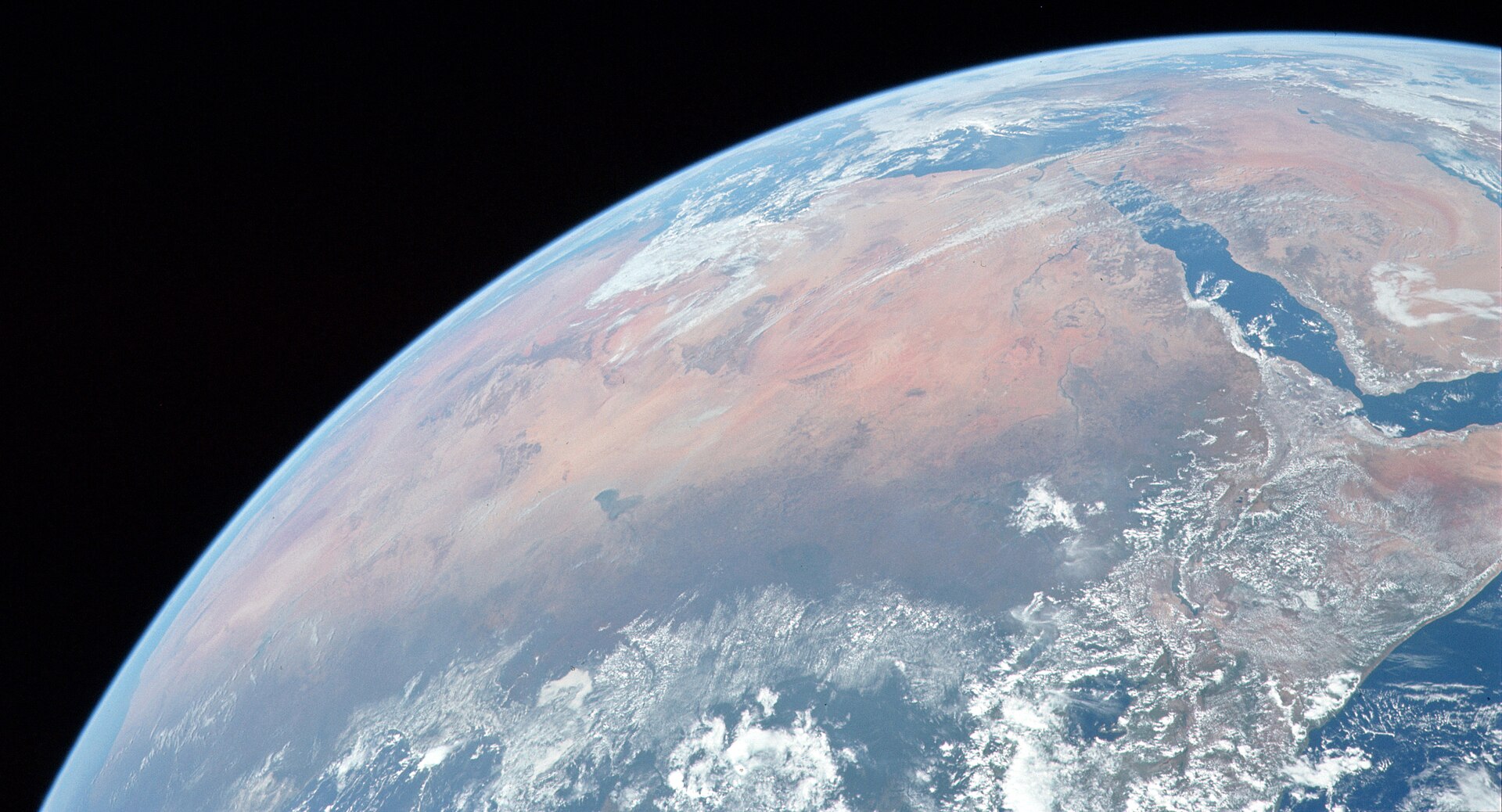
The Sahara is the largest hot desert on Earth, a sweep of sand, gravel, and bare rock stretching across northern Africa from the Atlantic Ocean to the Red Sea. Roughly the size of the United States, it dominates a third of the African continent and stands as the planet's defining image of arid emptiness, though it is far more varied, and far more alive, than that image suggests.
Contrary to the popular picture, only a portion of the Sahara is the rolling sand seas, or ergs, of postcard fame. Much of it is stony plains, wind-scoured rock plateaus, dry valleys, and even mountain ranges that rise to over 3,000 metres and can see snow.
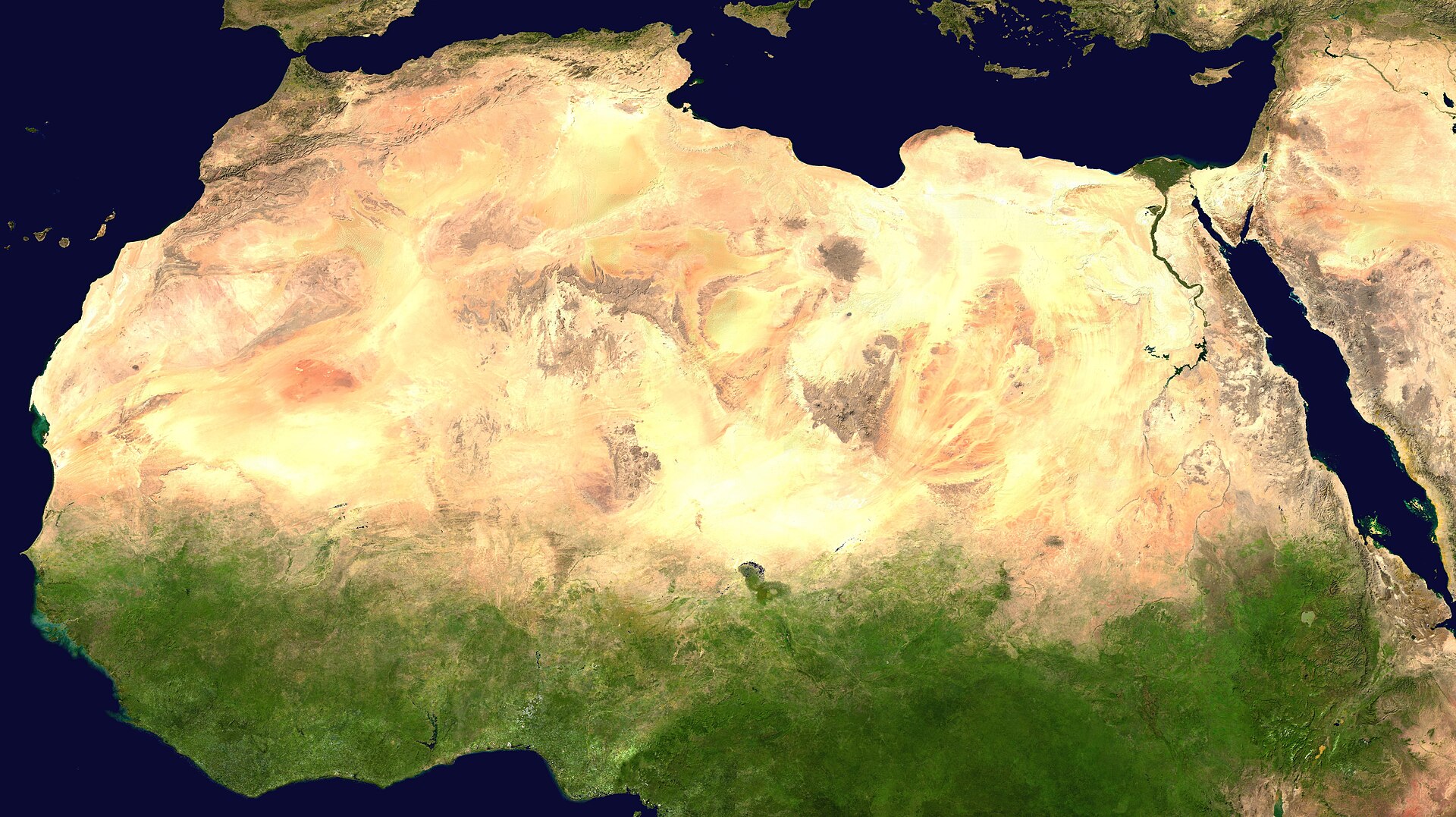
It is one of the hottest and driest places on Earth. Some areas go years without measurable rain, and daytime temperatures can exceed 50 degrees Celsius. Yet because the dry air holds little heat, the desert can swing to surprisingly cold nights, and in winter the high ground sometimes freezes, a reminder that "desert" means dry, not always hot.
The Sahara forms a vast barrier separating the Mediterranean coast of Africa from the greener lands to the south. Its margins are not sharp lines but transition zones, grading into the semi-arid Sahel along its southern edge, where desert gives way gradually to grassland and the rhythms of life shift with the reach of the seasonal rains.
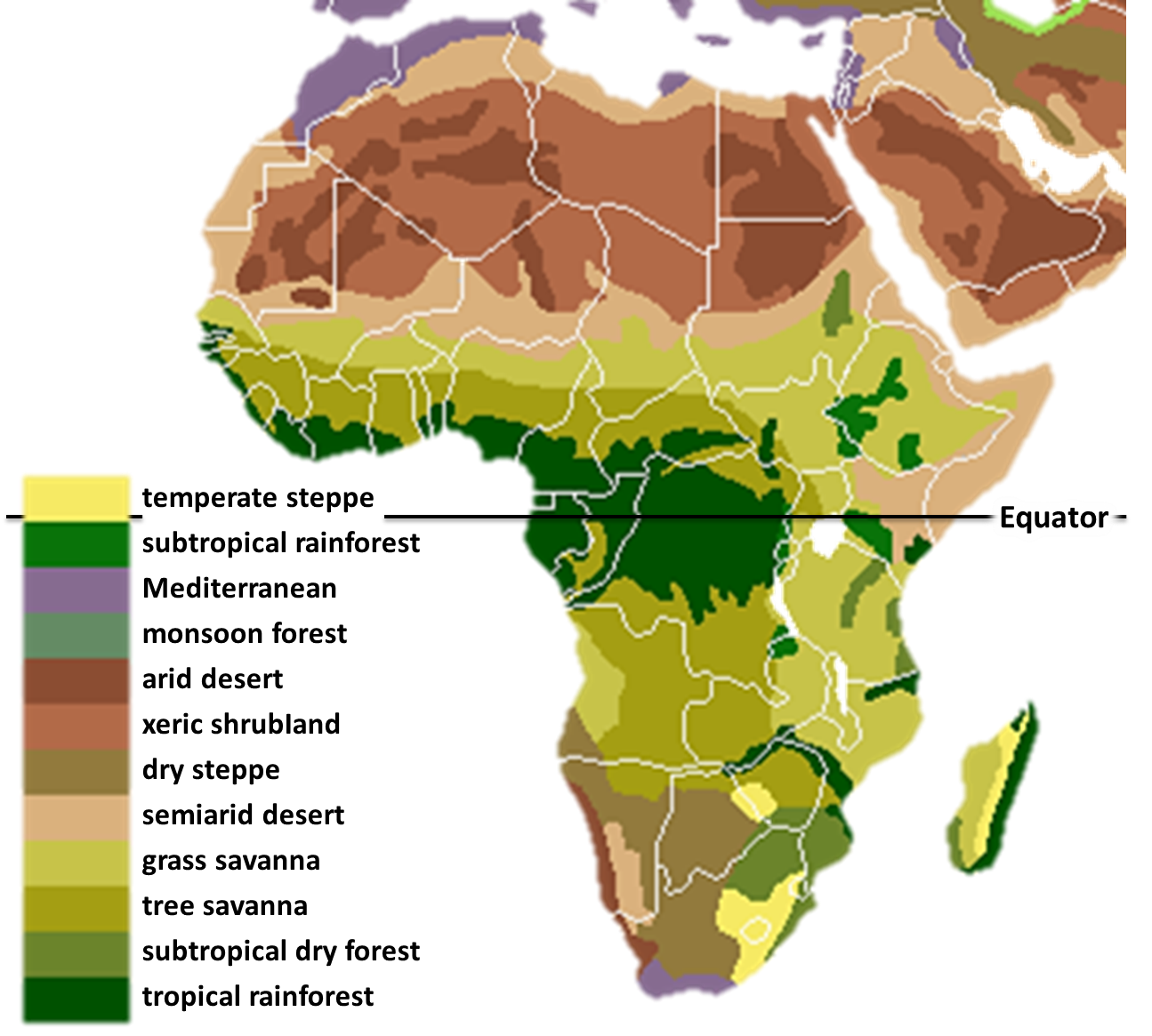
Despite the harshness, the Sahara is not lifeless. Plants and animals have evolved remarkable ways to survive, storing water, sheltering from the heat, and ranging far for scarce food. Where underground water reaches the surface, oases bloom with date palms and support towns and farms that have anchored desert life and trans-Saharan trade for centuries.
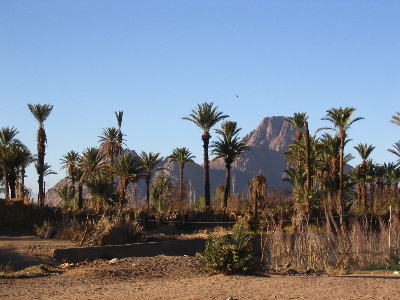
The Sahara has not always been a desert. Thanks to slow cycles in the Earth's orbit that shift the path of seasonal rains, the region swings over thousands of years between desert and a "green Sahara" of lakes, grasslands, and abundant wildlife. As recently as several thousand years ago, much of it was savanna roamed by hippos, elephants, and human herders, whose rock art still survives on cliffs deep in what is now barren sand.
The Sahara reaches far beyond its borders. Winds lift enormous quantities of its dust high into the atmosphere and carry it across the Atlantic, where it fertilises the Amazon Rainforest and the ocean, linking the world's greatest desert to its greatest forest.
Home to millions of people across more than a dozen countries, the Sahara remains both a formidable barrier and a crossroads of cultures, trade, and history. For centuries camel caravans carried salt, gold, and goods across it, binding the Mediterranean world to sub-Saharan Africa along routes that shaped empires.
