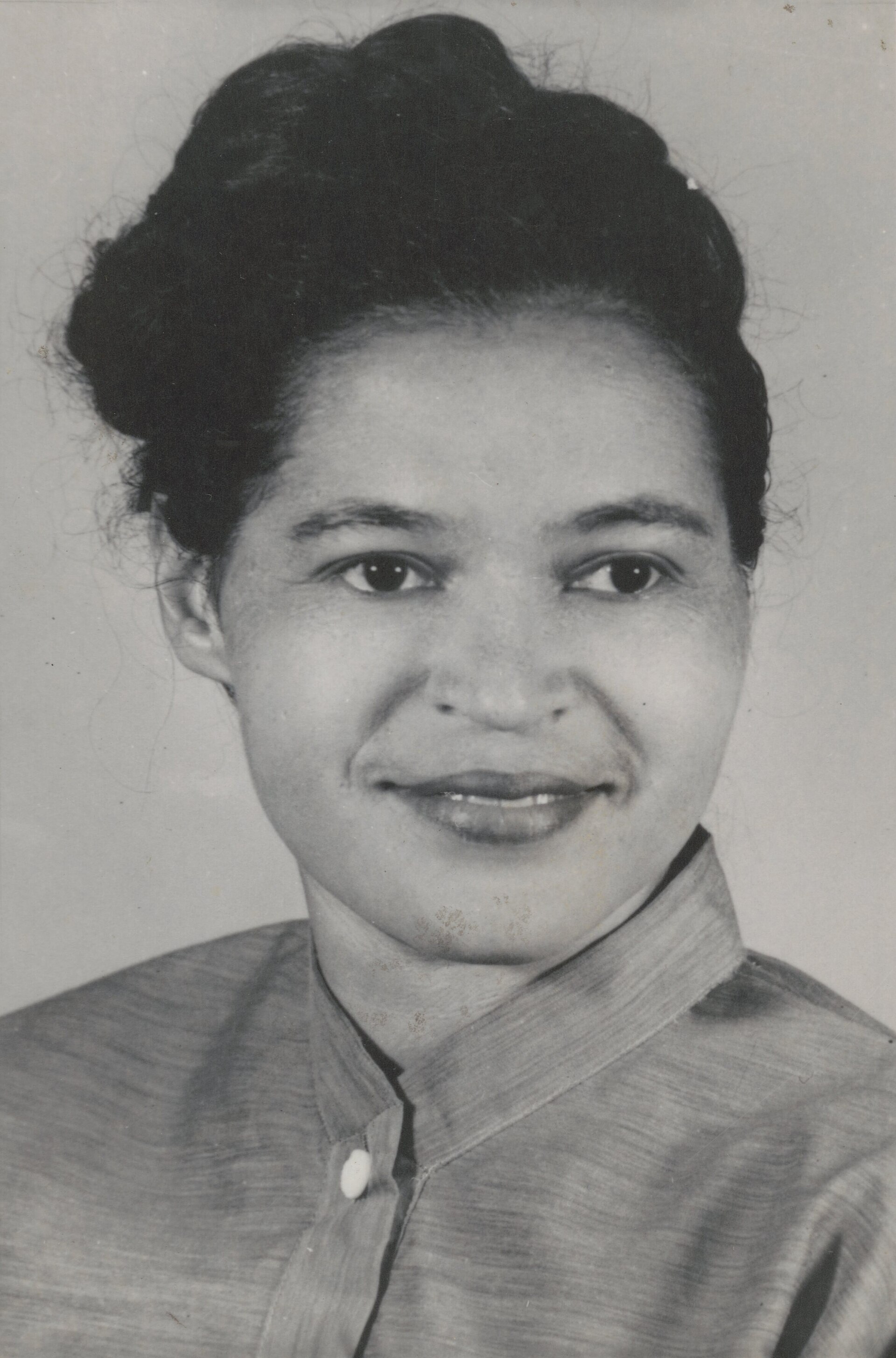
Rosa Parks (1913 to 2005) was an American civil rights activist whose refusal to give up her bus seat to a white passenger helped spark a landmark protest against racial segregation. She became known as a symbol of the struggle for equality.
Parks grew up in Alabama under the harsh system of racial segregation that governed the American South, in which Black people were forced into separate, inferior facilities and denied basic rights. She experienced its daily humiliations and injustices, and as an adult she became active in the movement working to overturn it.
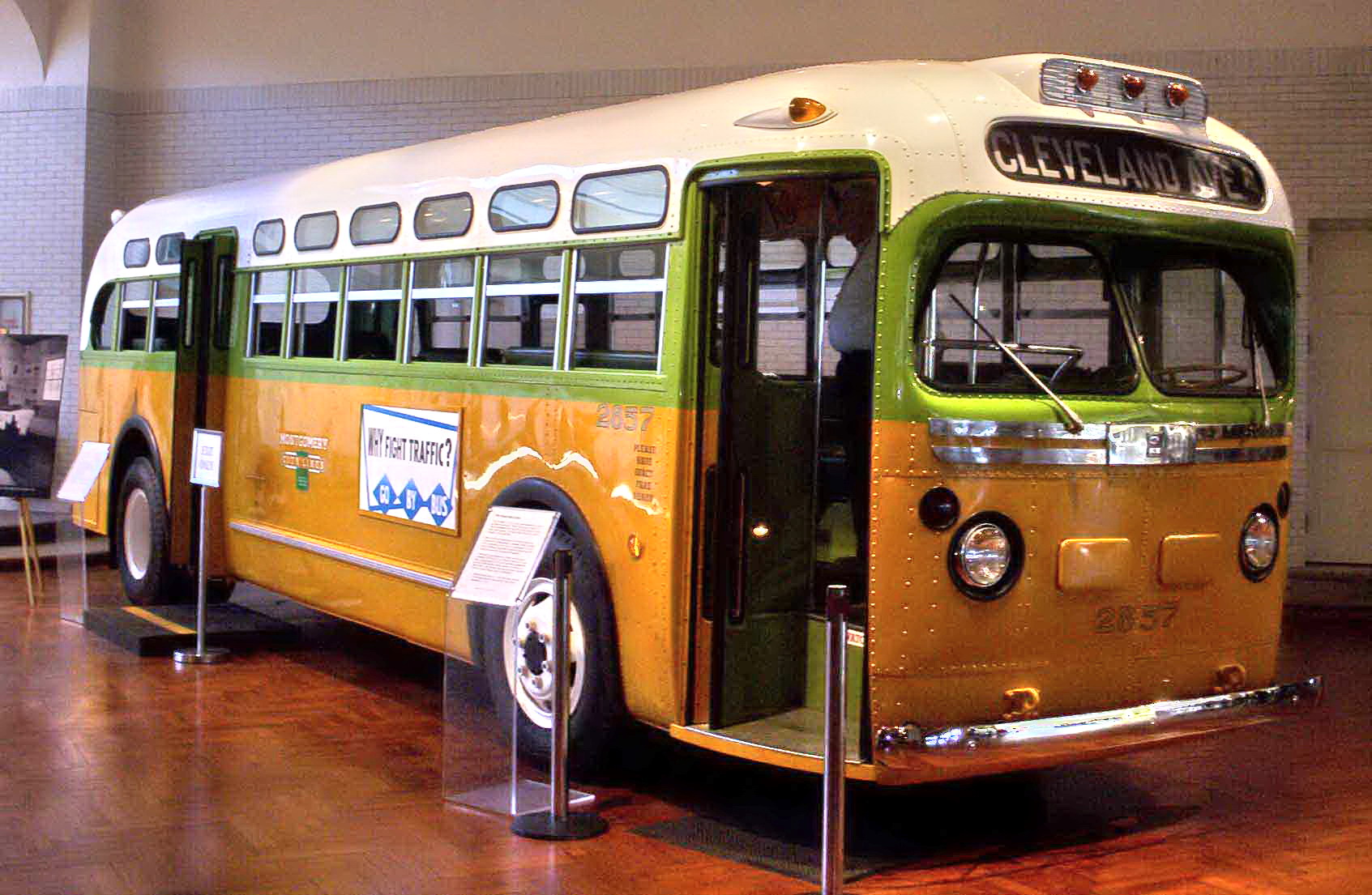
On 1 December 1955, in Montgomery, Alabama, Parks was riding home on a city bus when the driver ordered her to give up her seat to a white passenger, as the segregation laws required. She refused. Tired of giving in, this respected, dignified woman quietly stood her ground by keeping her seat, and she was arrested.
Though sometimes portrayed as simply a weary woman who happened to refuse, Parks was in fact a seasoned activist who understood the significance of her act. Her quiet refusal was an act of conscience and courage by someone deeply committed to the cause, and it proved to be the spark that lit a movement.
Parks's arrest galvanized the Black community of Montgomery, who launched a boycott of the city's buses. For more than a year, tens of thousands walked, shared rides, and stayed off the buses at great personal cost, in a disciplined, sustained protest that drew national attention and tested the power of collective action.
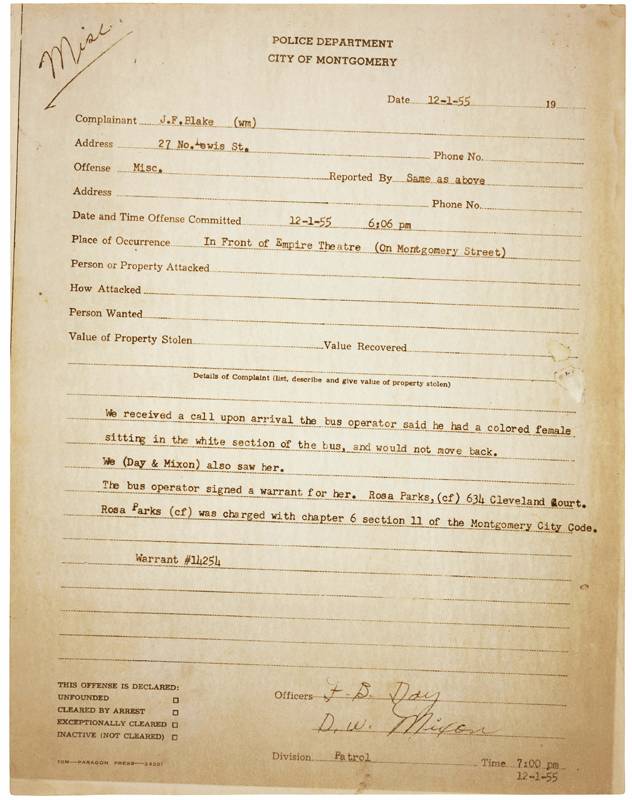
The boycott was led in part by a young minister named Martin Luther King Jr., for whom it was an early step toward national leadership. The protest ended in triumph when the courts ruled that bus segregation was unconstitutional, a pivotal early victory for the civil rights movement that Parks had helped to ignite.
Parks paid a heavy price for her stand. She lost her job, faced threats and harassment, and eventually moved away from Montgomery. Yet she remained committed to the cause for the rest of her life, continuing to work quietly for justice and equality over the following decades.
Parks was not the first to resist bus segregation, but her case, her dignity, and the boycott it triggered made her an enduring symbol of the struggle. Often called "the mother of the civil rights movement," she came to represent the quiet courage at the heart of the fight for equality.
In her later years, Parks was widely honoured for her historic act of conscience, receiving the nation's highest civilian awards. When she died, she became the first woman to lie in honour at the United States Capitol. Her simple act of courage continues to inspire those who stand against injustice.
