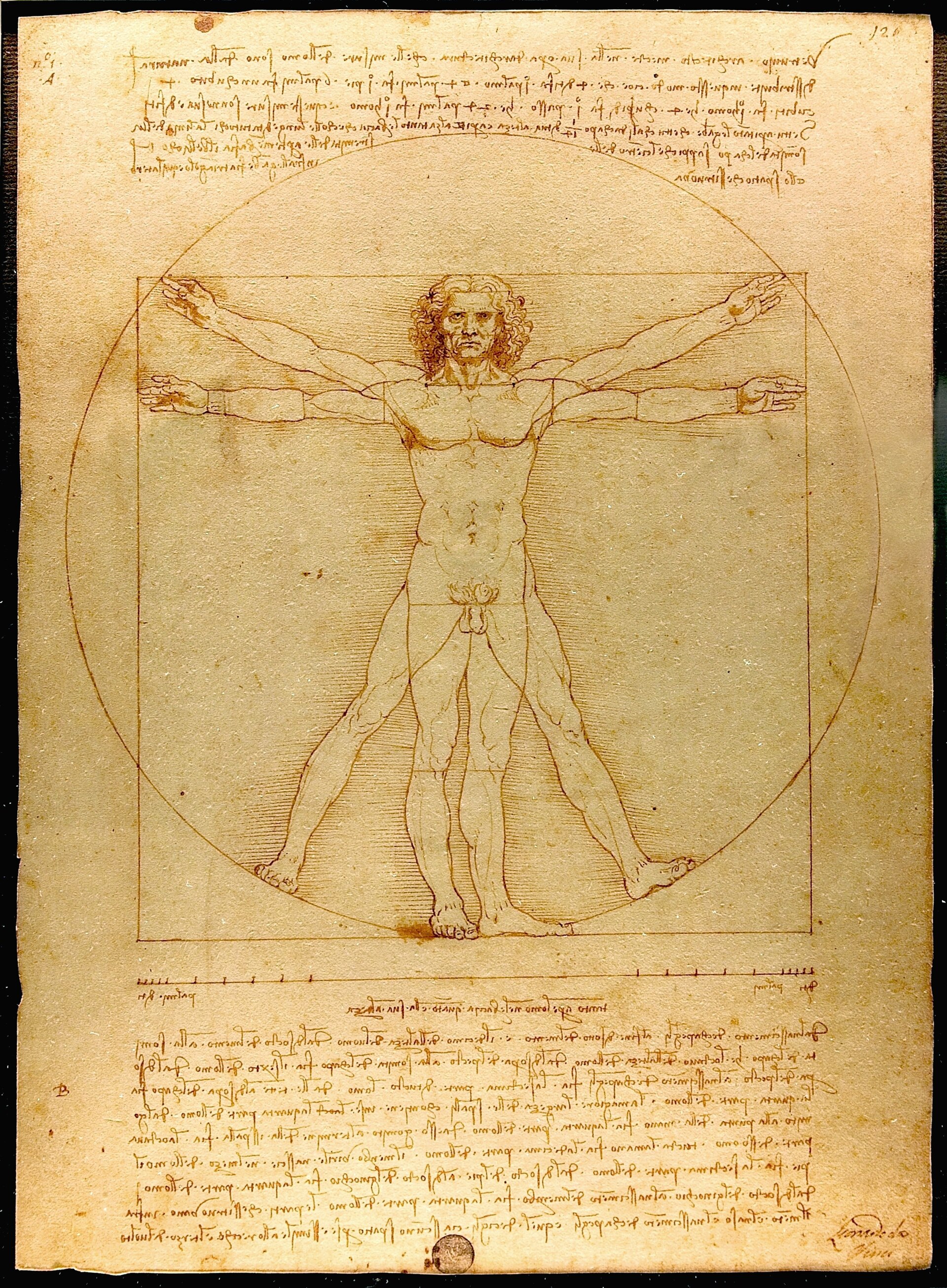
The Renaissance was a period of extraordinary cultural and intellectual flowering in Europe, lasting roughly from the fourteenth to the seventeenth century. The word means rebirth, and it captures a renewed fascination with the art, learning, and ideals of ancient Greece and Rome after the long medieval era.
The Renaissance began in the Italian city of Florence, where wealthy merchant and banking families, above all the Medici, became generous patrons of artists and scholars. The prosperity of the Italian city states, their trade links, and their rediscovery of ancient texts all helped spark the movement.
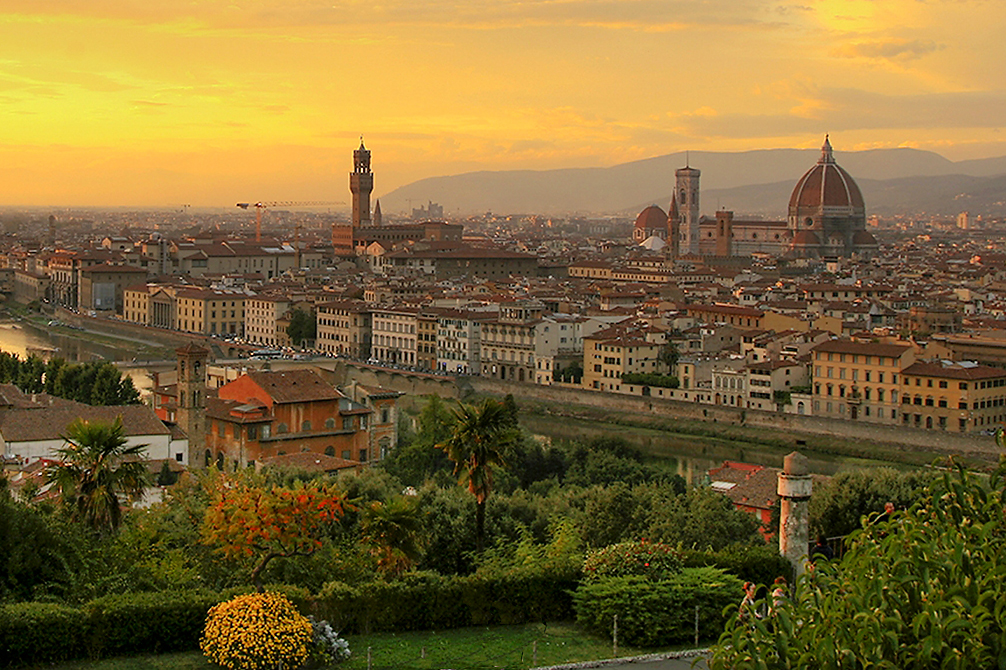
From Florence the new spirit spread across Italy, to Rome and Venice, and then over the Alps into northern Europe, carried by traveling artists, scholars, and merchants. Each region gave the Renaissance its own character, but everywhere it brought a fresh confidence in human creativity and reason.
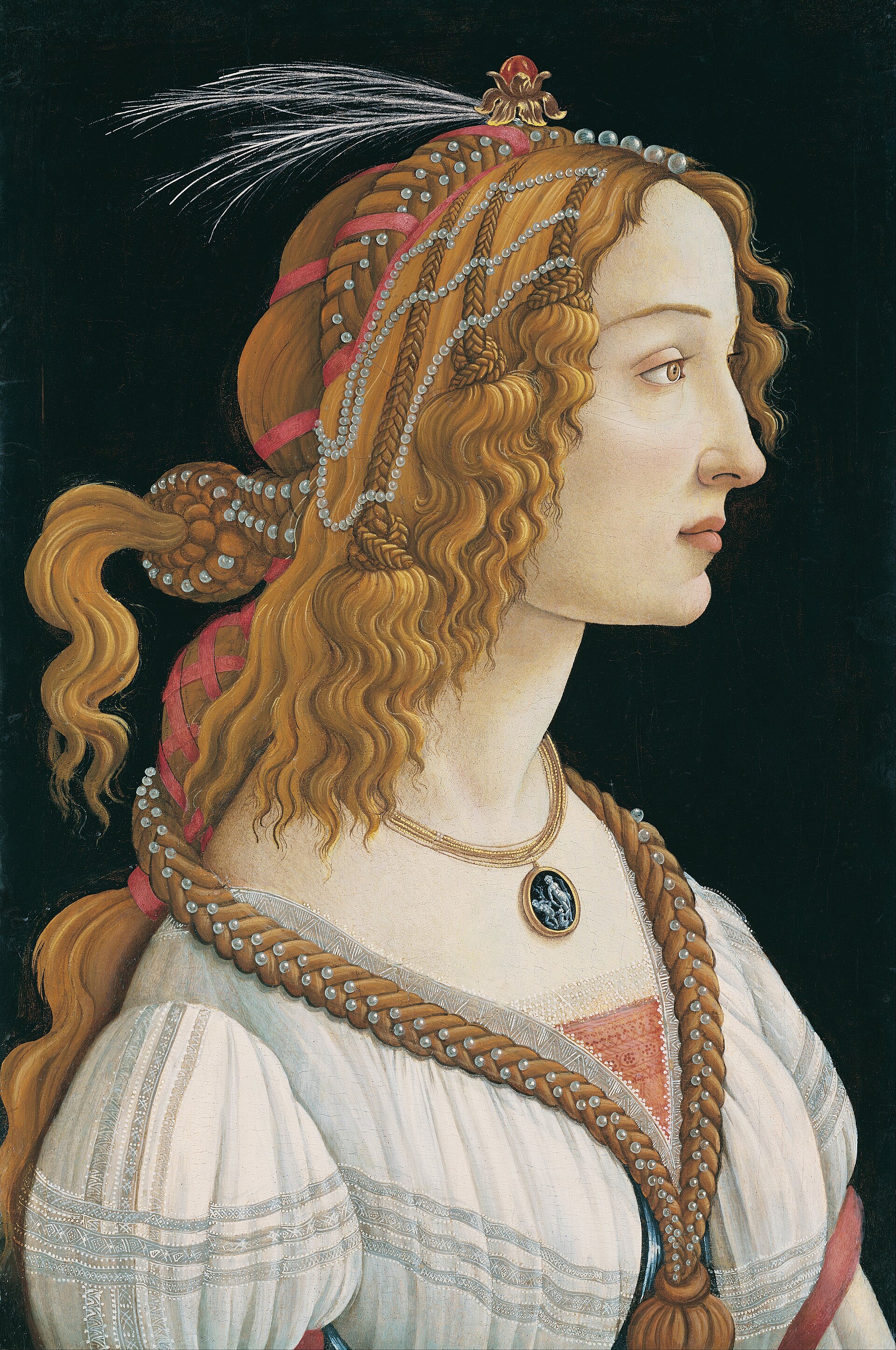
Renaissance artists transformed painting and sculpture by studying anatomy, perspective, and the play of light, striving to portray the natural world and the human figure with new realism and emotion. Leonardo da Vinci, Michelangelo, Raphael, and Botticelli created works that remain among the most admired ever made, balancing technical mastery with deep feeling.
The Renaissance was about far more than art. It embraced humanism, a renewed focus on human potential, achievement, and the careful study of classical texts. Scholars such as Coluccio Salutati helped recover and champion ancient learning, and a new emphasis on observing nature directly helped lay the groundwork for modern science.
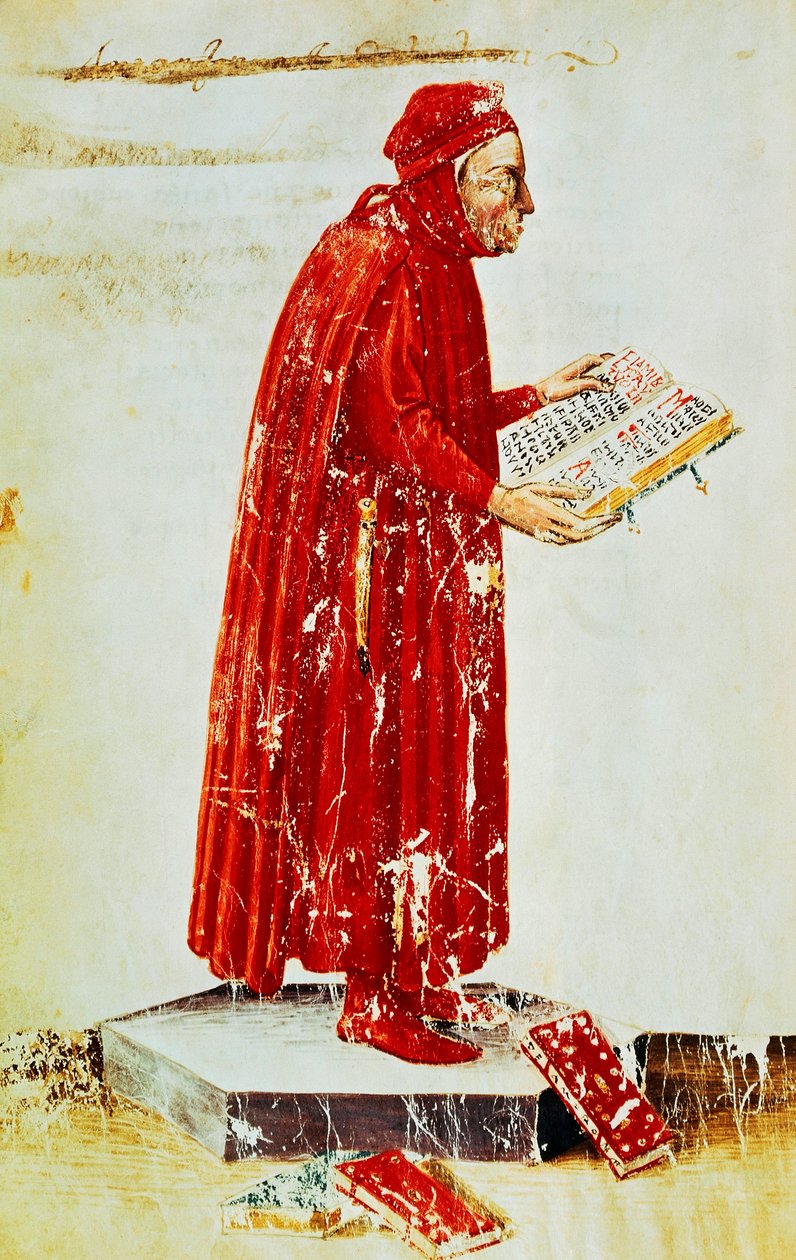
Combined with the new printing press, which let ideas spread faster and farther than ever before, the Renaissance reached an audience no earlier cultural movement could have imagined. Printed books carried its art, its scholarship, and its arguments across the continent within a single generation.
The Renaissance helped bring the medieval world to an end and usher in the modern age. Its blend of art, scholarship, and curiosity reshaped how Europeans saw themselves and their place in the world, planting seeds that would grow into the scientific and political revolutions to come.
