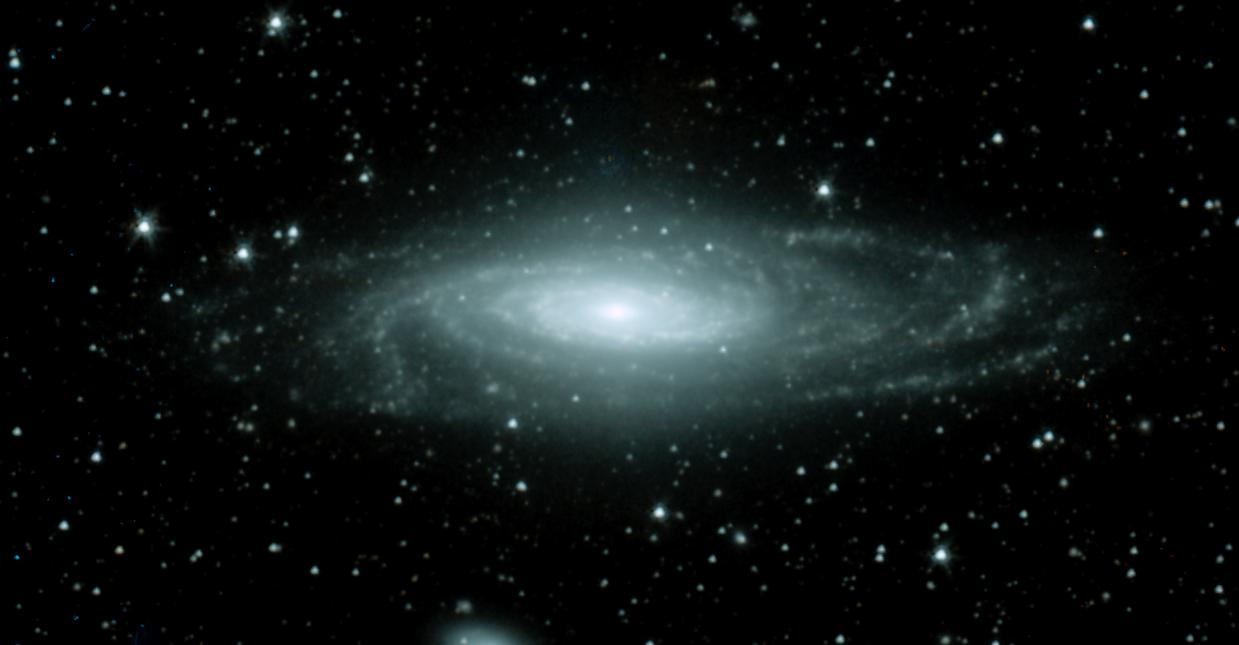
The Rare Earth hypothesis proposes that complex, multicellular life, of the kind found on Earth, is extremely rare in the universe, because it requires an improbable combination of conditions that rarely come together. It stands in contrast to the more optimistic view that life, including intelligent life, is probably common.
Put forward by the geologist Peter Ward and the astronomer Donald Brownlee in 2000, the hypothesis grants that simple microbial life may well be widespread, since microbes are tough and appeared early on Earth. The harder step, it argues, is the leap from simple microbes to complex, large bodied life.
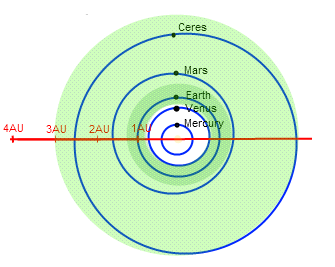
That leap, the hypothesis suggests, may demand a long list of fortunate circumstances: a planet in just the right orbit, a large stable moon to steady its tilt, the protection of giant outer planets that deflect comets, plate tectonics to recycle nutrients and regulate the climate, and billions of years of relative calm for evolution to work.
The hypothesis is a direct response to the assumption, popular in the search for extraterrestrial life, that the sheer number of stars and planets makes abundant life almost inevitable. The Rare Earth view suggests that while the galaxy may teem with microbes, worlds with complex creatures could be vanishingly few.
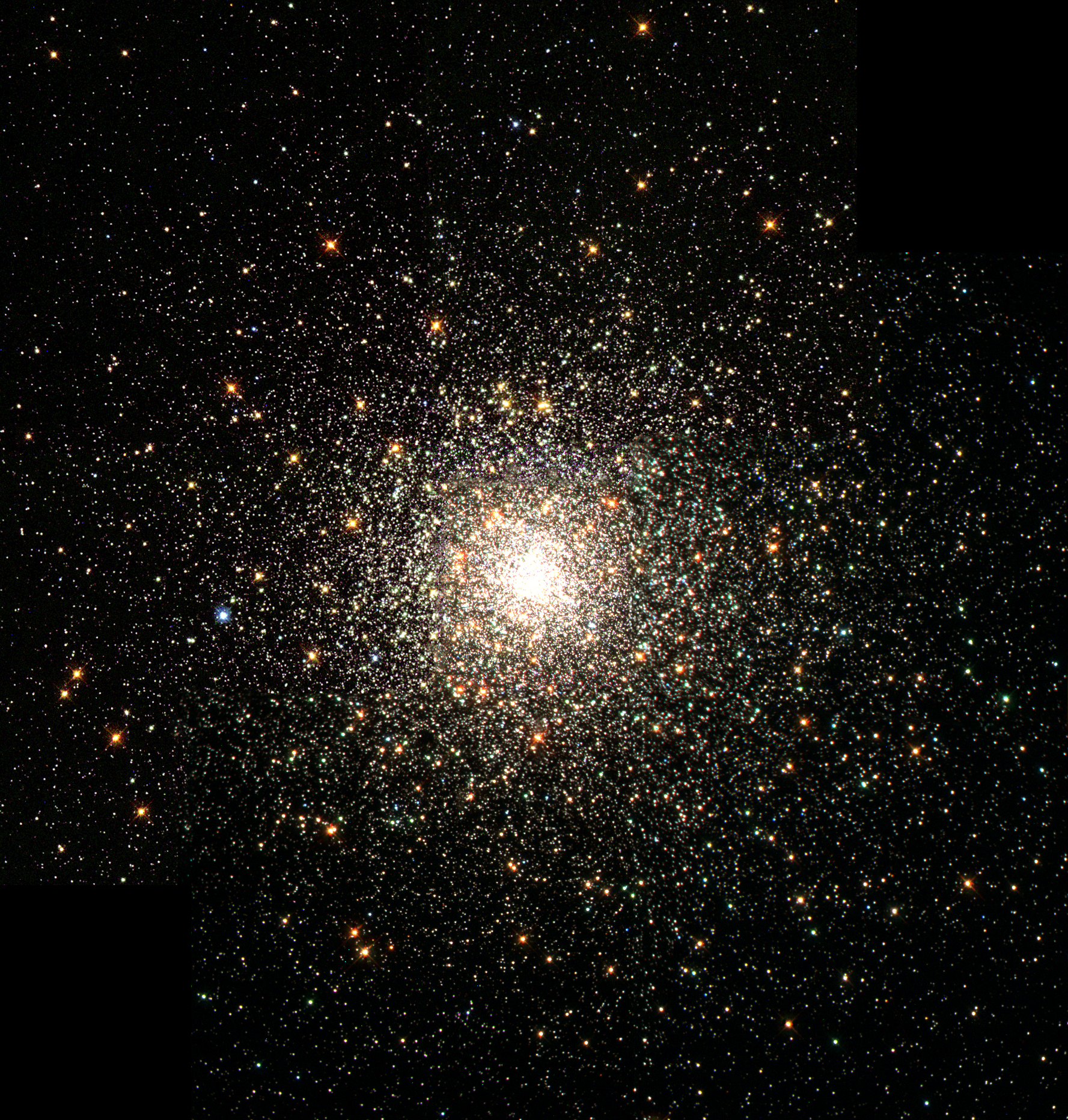
Part of the argument is that much of the universe may be inhospitable to complex life. The crowded centers of galaxies and dense star clusters are bathed in radiation and disturbed by the gravity of passing stars, which could strip away planets or sterilize their surfaces.
The Rare Earth hypothesis even offers one possible answer to the Fermi paradox, the puzzle of why, in a galaxy of hundreds of billions of stars, we see no clear signs of alien civilizations. If complex life is as rare as the hypothesis suggests, then intelligent neighbors may simply be extraordinarily far apart.
Skeptics counter that we are reasoning from a single example, our own planet, and that we may be mistaking the conditions that produced us for the only conditions that could ever produce complex life. Life elsewhere might follow utterly different paths, adapting to environments we would consider hostile.
Because we currently know of only one planet with life, there is no way to measure how typical or atypical Earth truly is. The Rare Earth hypothesis cannot yet be confirmed or refuted, and the discovery of complex life elsewhere would dramatically reshape it. For now it stands as a thought provoking and genuinely open hypothesis about how alone we may be.
