
Quantum computing is a new kind of computing that harnesses the strange rules of quantum mechanics to process information in ways ordinary computers cannot. Still in its early days, it could one day solve certain problems far beyond the reach of any conventional machine.
An ordinary computer stores information in bits, each of which is either a 0 or a 1. A quantum computer uses quantum bits, or qubits, which exploit the strange rules of the quantum world to behave very differently, opening up ways of computing that have no parallel in classical machines.
A qubit can exist in a combination of 0 and 1 at the same time, a quantum state called superposition. This lets a quantum computer, in a sense, explore many possibilities simultaneously, rather than checking them one by one as a classical computer must, which is the source of its potential power.
Qubits can also be linked together through a phenomenon called entanglement, so that the state of one is tied to the state of another, no matter how they are separated. This deep quantum connection allows the qubits to work together in coordinated ways that have no classical equivalent.
For most everyday tasks, quantum computers offer no advantage. But for certain special problems they could be transformative: simulating molecules to design new drugs and materials, optimizing complex systems, searching huge spaces of possibilities, and breaking some of the encryption that protects today's data.
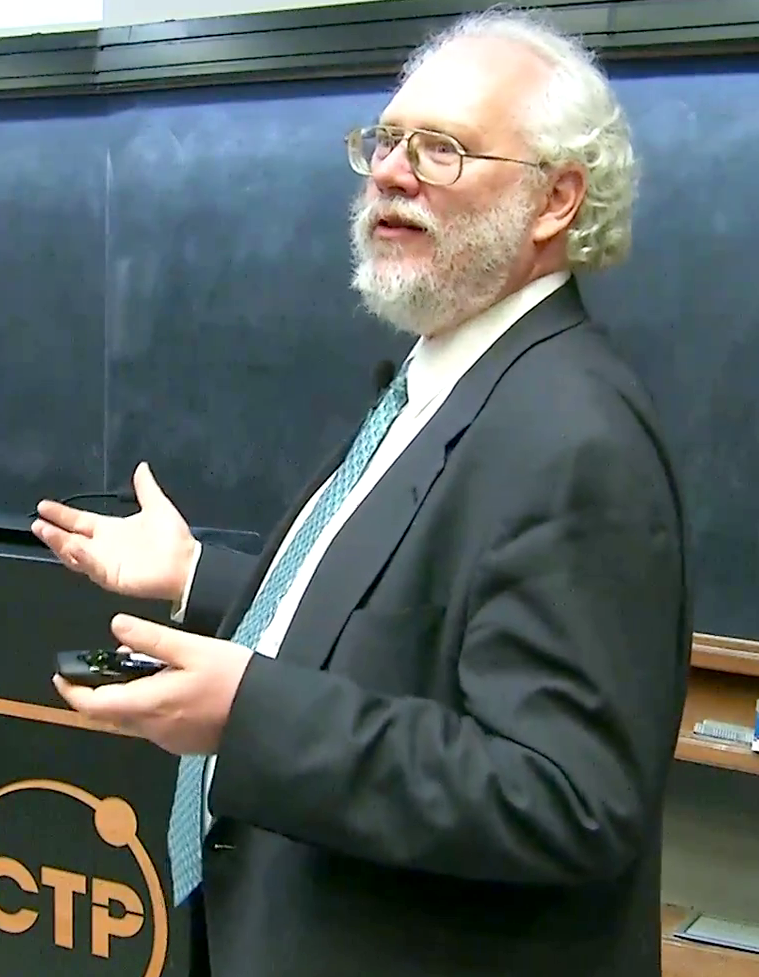
In 1994 the mathematician Peter Shor showed that a sufficiently powerful quantum computer could crack the encryption that secures much of modern communication and commerce. This startling result spurred intense interest and concern, and it has driven efforts to develop new codes that quantum computers could not break.
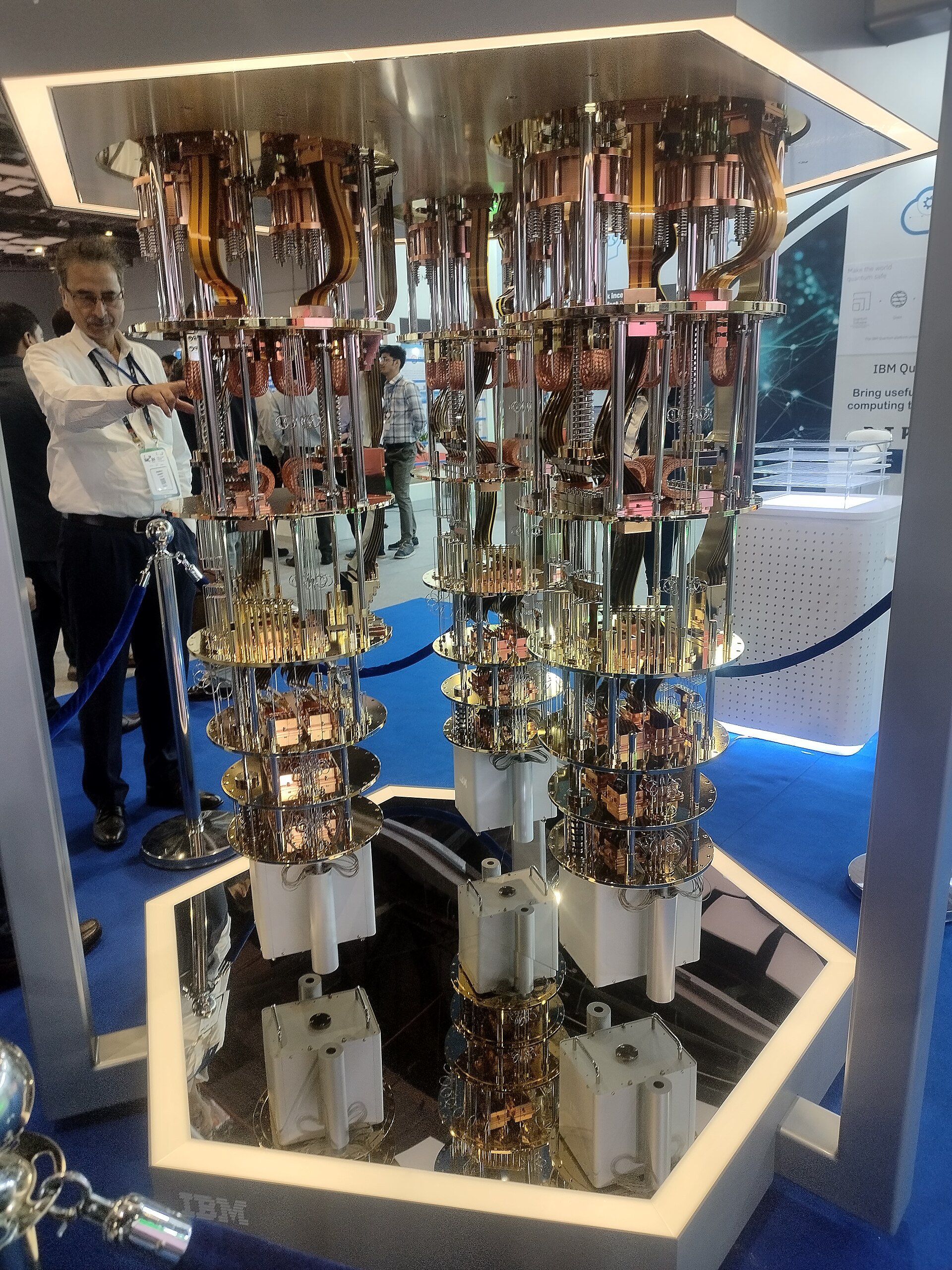
Building quantum computers is extraordinarily difficult. Qubits are delicate, easily disturbed by the slightest heat, vibration, or stray signal, which scrambles their fragile quantum states. To protect them, they must often be kept colder than outer space and shielded with great care, an immense engineering challenge.
Today's quantum computers are still small and error prone, far from being able to outperform ordinary computers on practical tasks. Much current research focuses on correcting the inevitable errors and scaling up to more qubits, the key hurdles on the road to genuinely useful quantum machines.
Despite the obstacles, governments and major companies are investing heavily, racing to build larger, more reliable quantum computers and unlock their promise. Whether and when quantum computing will live up to its potential is uncertain, but the stakes, in science, security, and industry, are high enough to drive a determined global effort.
