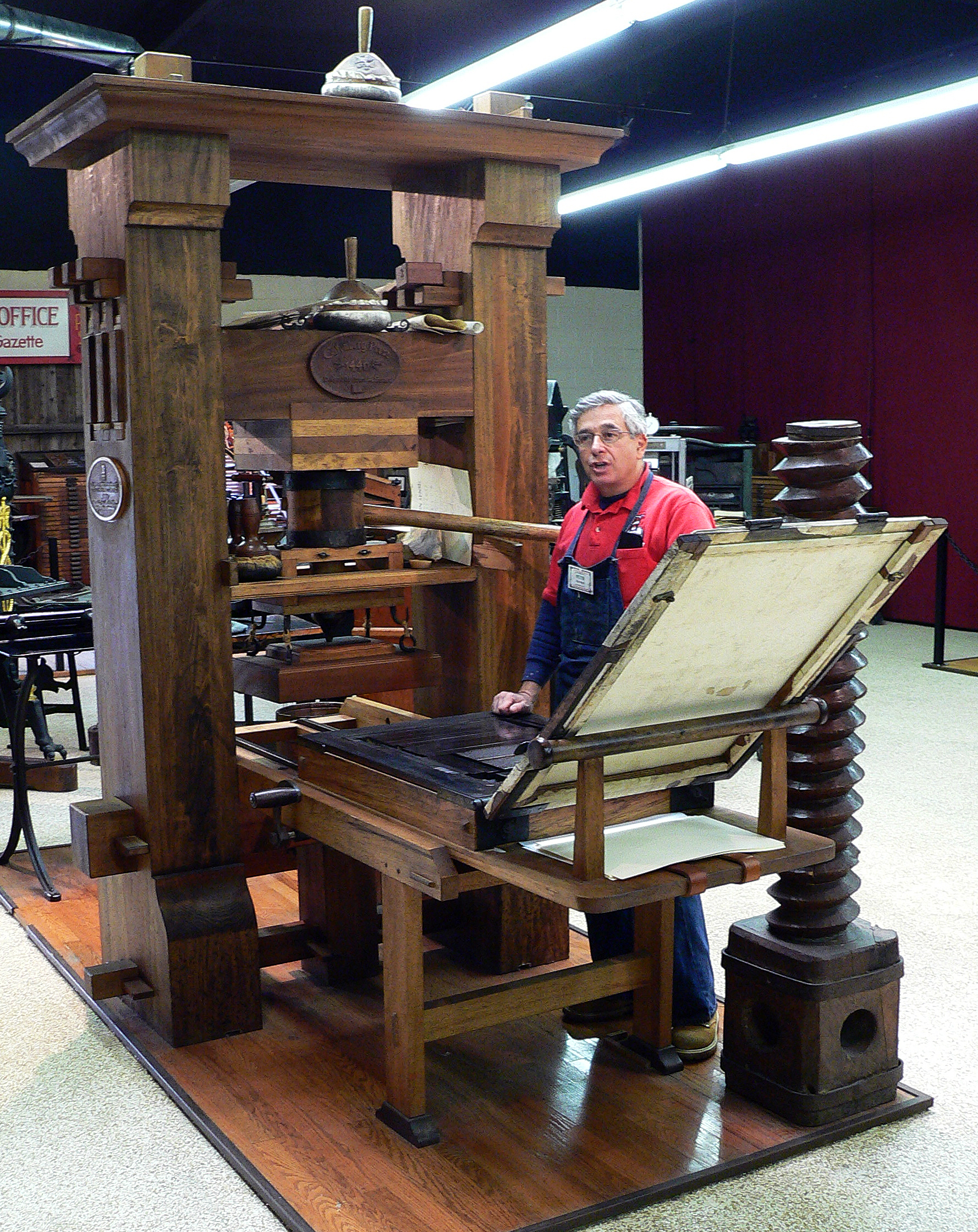
The printing press is a machine for transferring ink onto paper to reproduce text and images quickly and in large numbers. Its development in Europe in the fifteenth century is widely regarded as one of the most important events in human history, a turning point that reshaped knowledge, religion, and society.
Around 1440, the German craftsman Johannes Gutenberg combined several existing ideas into a single, transformative system. His key innovation was movable type: individual metal letters that could be arranged into a page, used to print thousands of copies, and then taken apart and rearranged for the next page.
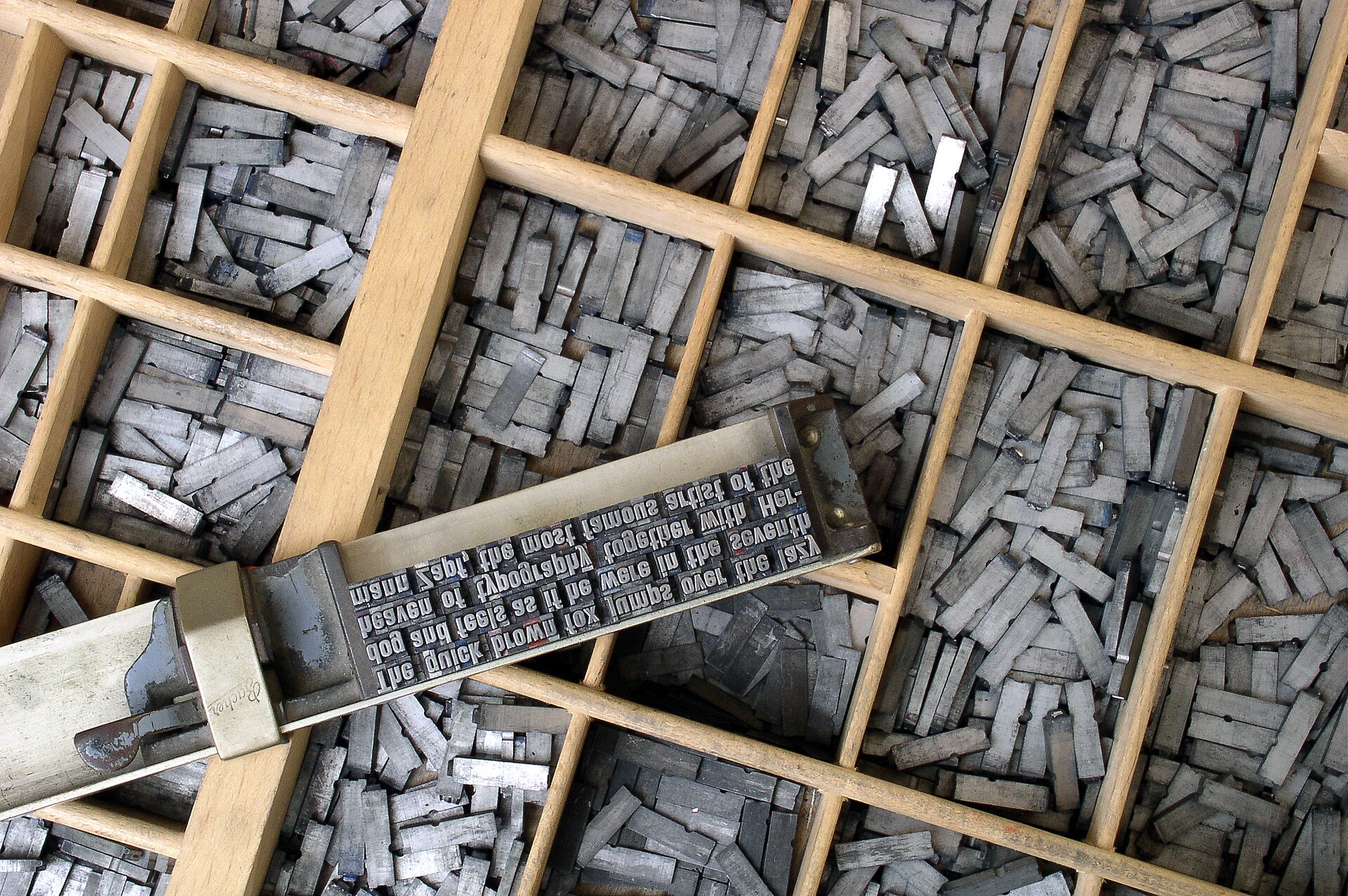
Gutenberg's genius was as much chemical and mechanical as it was conceptual. He developed a durable metal alloy that cast crisp letters and stayed sharp through long print runs, and an oil based ink that clung to metal type far better than the water based inks used for handwriting. Each piece had to work with the others for the whole to succeed.
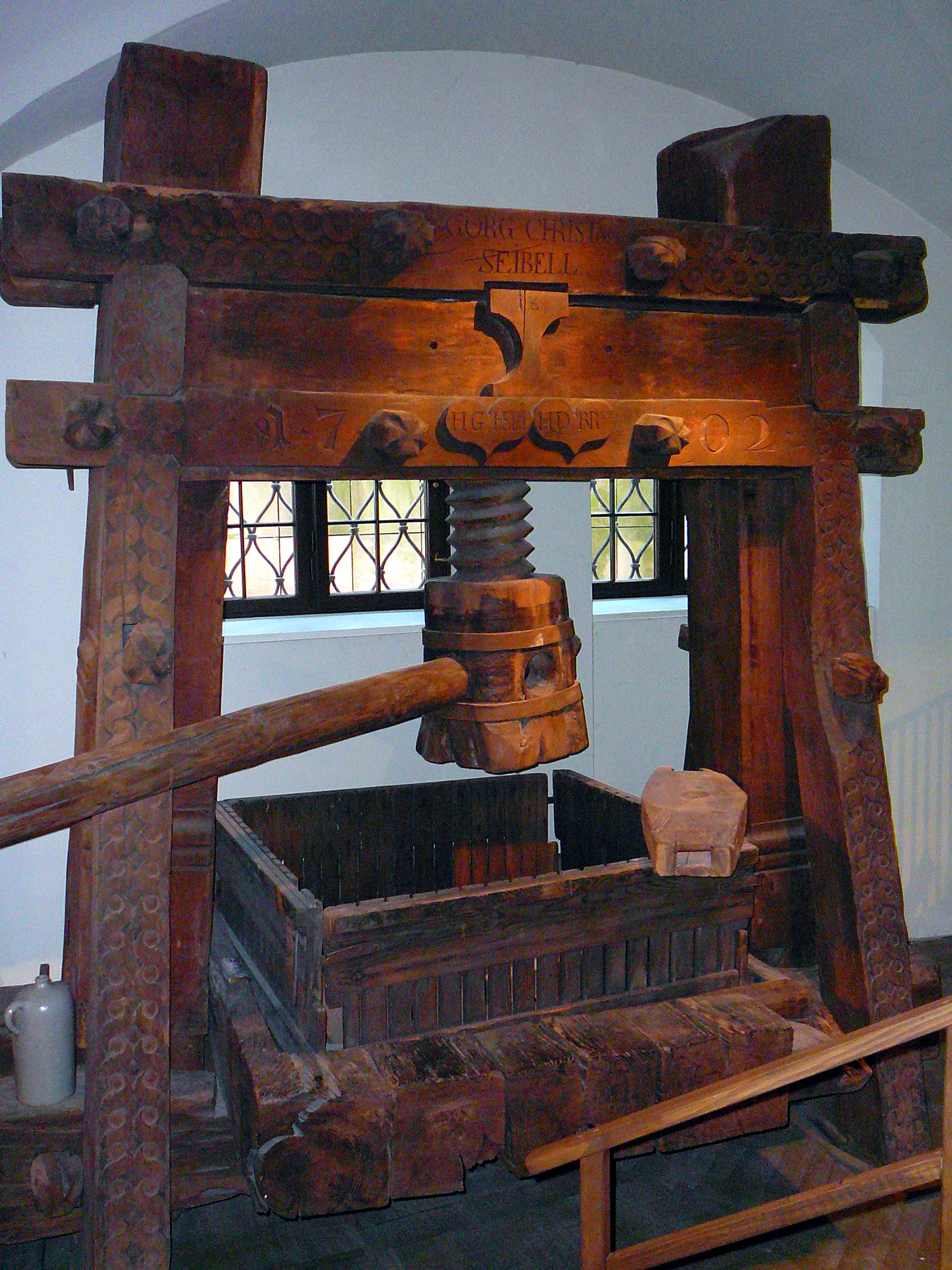
The press itself was adapted from the screw presses already used for pressing grapes and olives, a reminder that many great inventions recombine existing tools in a new way. The marriage of that simple mechanical press with movable type and good ink produced something far greater than the sum of its parts.
Before the press, books were copied by hand, a slow and costly process that kept them rare and largely in the possession of the wealthy and the clergy. The press changed everything. Books became far cheaper and more plentiful, literacy spread, and ideas could travel across borders faster than any authority could control them.
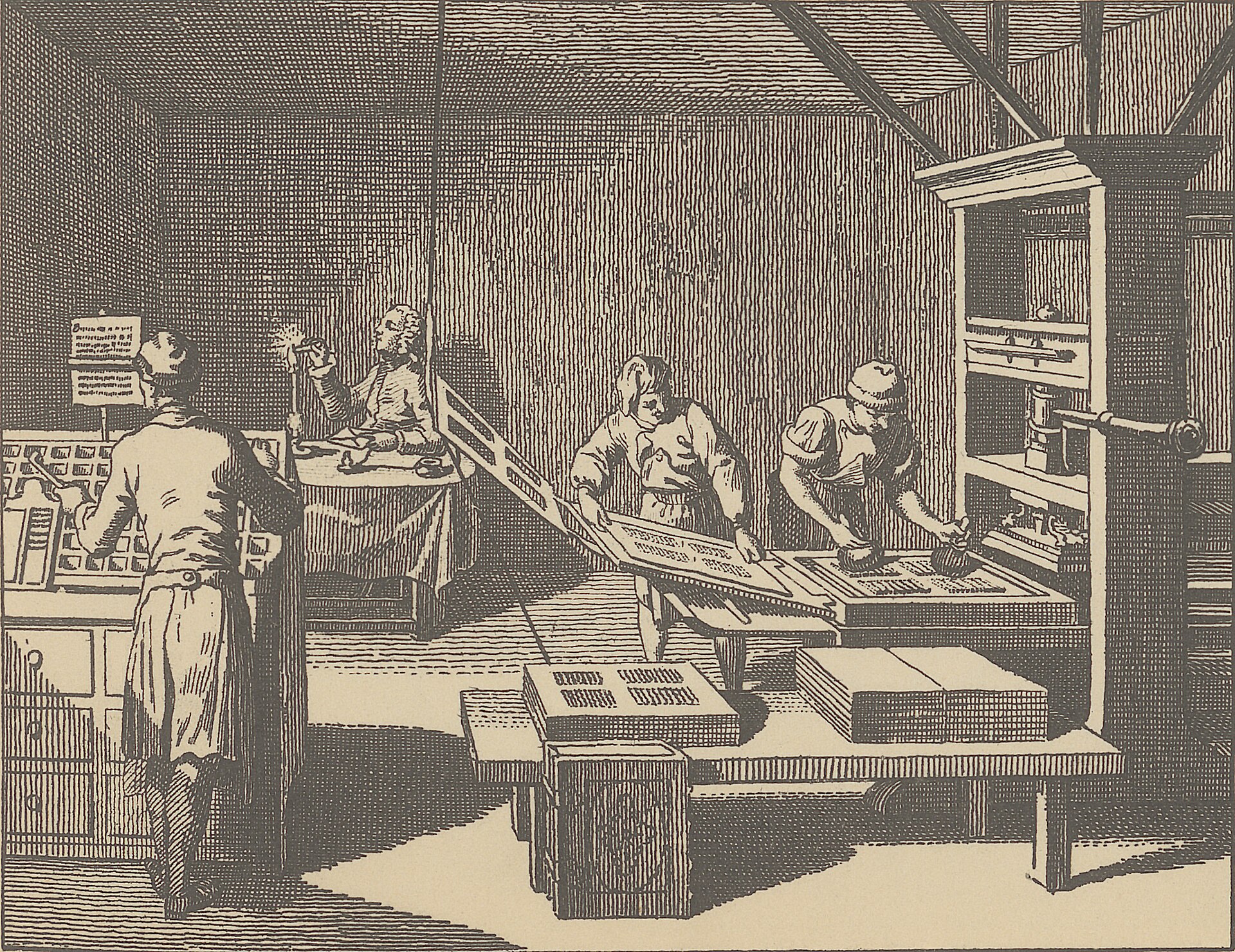
The flood of printed material helped drive some of the great movements of the modern era. Printed pamphlets spread the Reformation across Europe, printed books carried the learning of the Renaissance, and printed papers and journals later powered the Scientific Revolution by letting researchers share and build on one another's work.
By making knowledge widely available, the printing press laid the foundation for mass education and the free exchange of ideas. The same mission, putting knowledge within reach of everyone, continues today in new forms, but it traces directly back to Gutenberg's workshop and the machine he assembled there.
